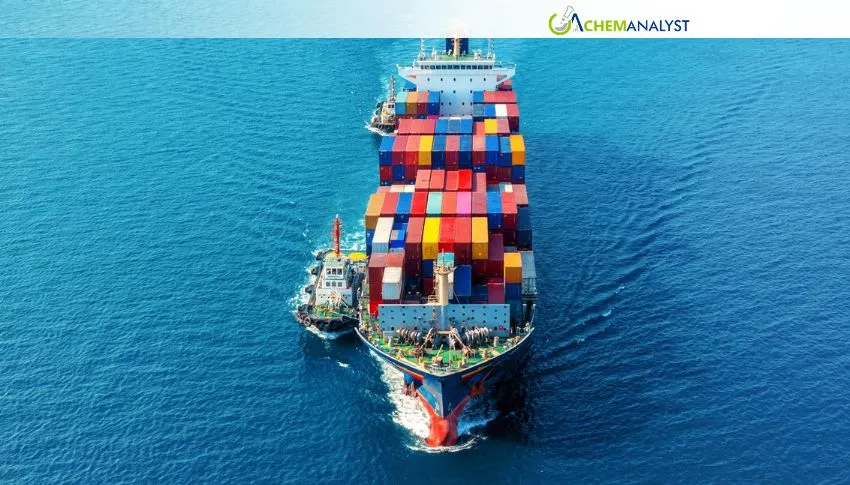
The United States plans to impose 25% tariffs on a range of imports from Brazil, effective July 22. This decision follows a year-long investigation by the Office of the U.S. Trade Representative (USTR), which identified various unfair trade practices by Brazil. These new tariffs partially replace previous duties that the U.S. Supreme Court had struck down.
The USTR's investigation, conducted under Section 301 of the Trade Act of 1974, concluded that Brazil's trade practices are unreasonable and restrict U.S. commerce. Specific concerns include lax anti-corruption enforcement and Brazil's own unfair tariffs. The USTR also cited Brazil for punishing U.S. technology companies that refuse to censor political speech. Furthermore, Brazil allegedly allows its farmers to exploit illegally logged land, gaining an unfair advantage over American agricultural producers. Broader issues identified encompass digital trade, electronic payment services, preferential tariffs, intellectual property protection, and ethanol market access.
The U.S. administration has strategically exempted certain goods from the new tariffs. These exemptions apply to products not produced in the United States or those whose inclusion would disrupt U.S. supply chains. Exempted items include coffee, beef, oranges, orange juice, some oil and gas energy products, and aerospace parts and components. Other excluded categories are rare earths, certain other metals, many fruits and nuts, crude oil, petroleum products, pharmaceutical compounds, organic chemicals, and fertilizers.
Brazilian President Luiz Inácio Lula da Silva reacted with indignation to the U.S. announcement. He denied the alleged unfair trade practices and stated that there is no justification for unilateral measures against Brazil. President da Silva also suggested political motivations behind the tariffs, linking them to a rival in Brazil's upcoming October elections. Historically, the United States has maintained a goods trade surplus with Brazil for many years. In a broader geopolitical context, Brazil and India have agreed to enhance cooperation amidst rising global trade uncertainties and U.S. tariff policies.
Impact on Product
The new U.S. tariffs are expected to reduce the competitiveness of several Brazilian manufactured and processed goods in the American market, encouraging exporters to redirect shipments toward Asia, Europe, and other emerging economies. However, the exclusion of fertilizers, organic chemicals, crude oil, petroleum products, pharmaceutical compounds, and several agricultural commodities minimizes disruption to critical industrial supply chains. Brazilian producers of affected goods may experience lower export volumes and margin pressure, while U.S. manufacturers could seek alternative sourcing from countries with preferential trade access. Overall, the measure is likely to reshape trade flows rather than significantly disrupt the availability of major chemical and industrial products.








 About ChemAnalyst
Leave a Comment
Comments (0)