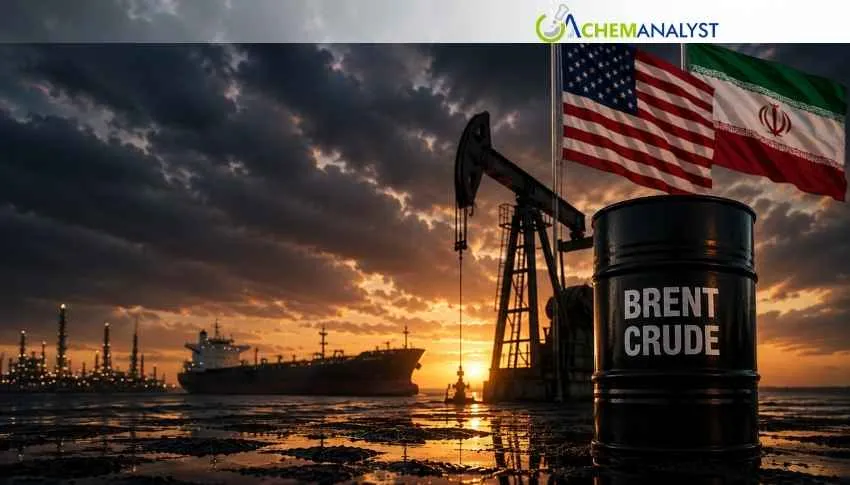
A volatile geopolitical landscape in the Middle East, marked by an ongoing conflict between the United States and Iran, has significantly impacted global energy markets and economic stability. The core of the crisis revolves around Iran's effective closure and blockade of the strategic Strait of Hormuz, a critical chokepoint through which approximately one-fifth of global oil and a substantial volume of liquefied natural gas (LNG) shipments pass daily. This disruption, which began in early March 2026 following US and Israeli military strikes against Iran, has been described as the biggest supply disruption on record.
The immediate consequence of the escalating tensions and the Strait of Hormuz blockade was a dramatic surge in crude oil prices, with Brent crude briefly nearing 100 and surpassing 105 per barrel, while West Texas Intermediate (WTI) also saw significant increases. This spike in energy costs fueled inflation fears globally, leading to declines in global stock markets, with the Dow Jones falling over 400 points and European and Asian indexes experiencing drops. Gold prices, typically a safe-haven asset, rose in response to the uncertainty.
Amidst this backdrop, diplomatic efforts intensified to de-escalate the conflict and secure a peace deal. President Donald Trump indicated that negotiations with Iran were in their "final stage" for an agreement that would end the war and reopen the Strait of Hormuz. Reports suggested a potential deal could involve waiving sanctions to allow Iran to sell oil and releasing billions in frozen Iranian funds. However, Trump also cautioned against rushing into a deal, stating that "time is on our side" and threatening renewed military action if an acceptable agreement was not reached.
Optimism surrounding a potential deal, particularly reports of an agreement in principle to cease hostilities and reopen the strait, caused oil prices to tumble below 100 a barrel on several occasions. For instance, WTI crude fell as much as 7%, settling around 92 per barrel, and Brent crude dropped to around $98 per barrel following positive news on negotiations. Conversely, US military airstrikes in southern Iran, targeting missile launch sites and vessels, often led to renewed tensions and upward pressure on oil prices, highlighting the fragile nature of the ongoing ceasefire and negotiations.
The economic ramifications extend beyond immediate price volatility. Prolonged disruptions in the Strait of Hormuz could trigger a wider financial crisis, intensify inflation, burden consumers, and heighten global recession risks. The potential reopening of the strait is expected to rapidly increase oil supply, exerting downward pressure on crude prices and offering relief to households and industries worldwide through reduced gasoline and energy costs. This would support economic stability and lower inflation pressures in the US, while benefiting energy-importing regions like Europe and China through more predictable and potentially cheaper energy supplies. However, some experts caution that even with a deal, the global energy system might remain tighter and more fragile than before the crisis, with the demonstrated vulnerability of the Strait of Hormuz potentially leading to permanently higher commodity costs.








 About ChemAnalyst
Leave a Comment
Comments (0)