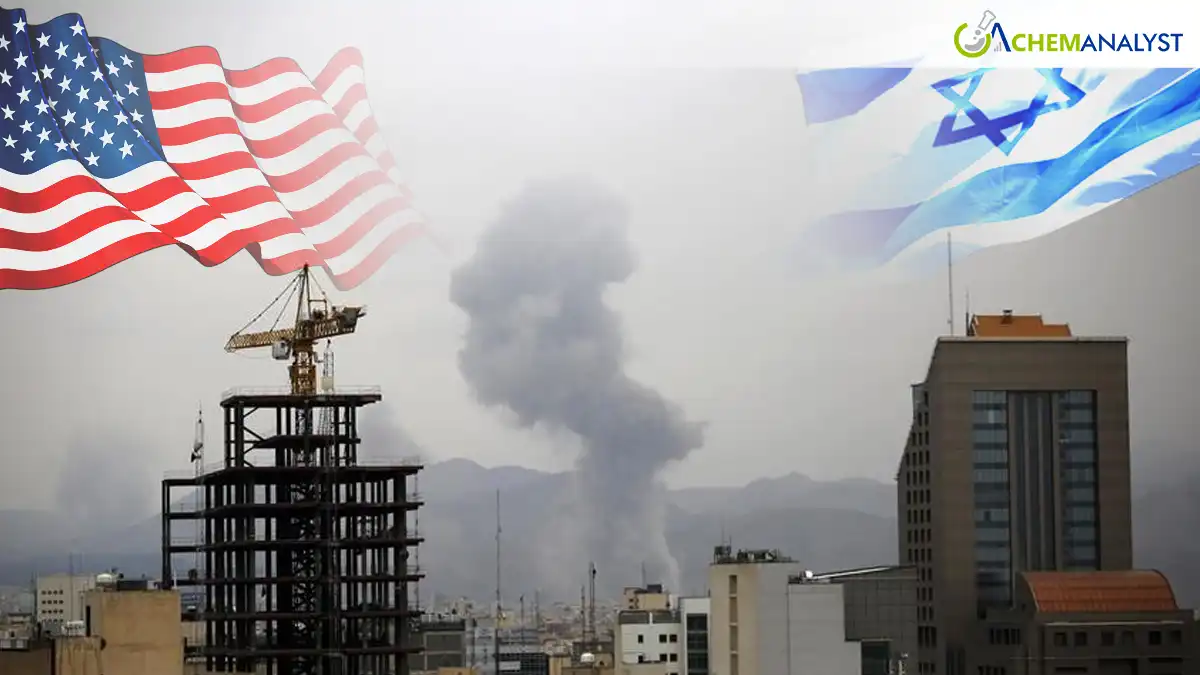
An industrial methanol production facility in southern Iran was struck in what has been described as a coordinated attack involving United States and Israel, according to reports published by Tasnim News Agency. The incident occurred on Friday evening at the port city of Dayyer, located in Bushehr province, an area known for its strategic importance in Iran’s petrochemical industry.
According to the report, two projectiles hit the pier area of the Kaveh Petrochemical Company complex, specifically damaging the control room infrastructure situated on the dock. The targeted facility is one of Iran’s significant methanol export hubs, playing a key role in the country’s petrochemical supply chain and international trade.
Despite the strike, initial assessments suggested that the core methanol production units remained intact and operational. There were no indications of disruption to processing activities within the plant, and output continued without immediate interruption. This limited impact on production infrastructure appears to have prevented broader supply consequences in the short term.
Authorities also confirmed that no casualties were reported as a result of the attack. The absence of injuries or fatalities, combined with the containment of damage to non-critical infrastructure, suggests that the strike was highly targeted rather than intended to cause widespread destruction within the facility.
The incident is part of a broader and escalating conflict involving sustained military actions between Iran and a coalition led by the United States and Israel. Since late February, airstrikes have reportedly intensified, contributing to significant human and material losses. Reports indicate that more than 1,340 individuals have been killed in these operations, including prominent figures such as Ali Khamenei, marking a dramatic escalation in regional tensions.
In response, Iran has launched retaliatory drone and missile strikes targeting Israeli territory as well as neighboring countries including Jordan and Iraq, along with Gulf nations hosting U.S. military installations. These counterattacks have resulted in casualties, infrastructure damage, and heightened instability across the region.
The ongoing conflict has also begun to affect global markets, particularly in energy and petrochemicals, as well as international aviation routes. Increased risk in the Gulf region—one of the world’s most critical energy corridors—has led to disruptions in shipping and air travel, raising concerns among global stakeholders.
While the direct damage from the Bushehr incident appears limited, the broader geopolitical implications remain significant. Continued escalation could threaten key industrial assets and further destabilize global supply chains, particularly in chemicals and energy markets.







Leave a Comment
Comments (0)