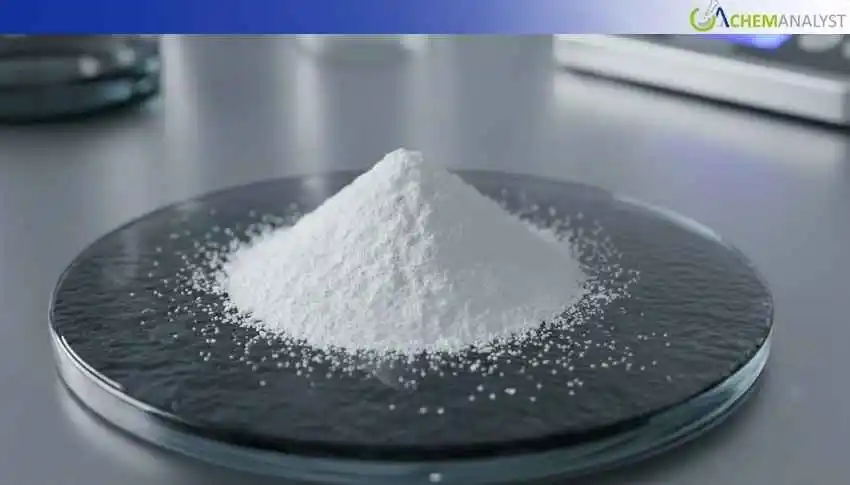
In early December, the US lithium carbonate market remains positioned well, as many aspects of the supply chain remained intact. The domestic supply chain has sufficient capacity to meet domestic demand over the foreseeable future because there were no significant disruptions in transportation, feedstock, or conversion capacity. Continued strong momentum in the electric vehicle market has increased market participants’ confidence in future demand.
US imports of seaborne lithium carbonate from South America and Australia were also arriving on time in early December. Importers were having no difficulties unloading Lithium Carbonate vessels at the major terminus of the US West Coast and experienced no major weather-related issues at major ports in the US West Coast.
While stockpile has reduced the urgency of some distributors and cathode manufacturers to continue to procure additional quantities of lithium carbonate, it has not diminished overall demand for lithium carbonate, as buyers continue to purchase quantities of lithium carbonate that match what they plan to produce over the coming months.
The auto industry is still the primary cause of the increased demand for lithium carbonate. Sales of electric vehicles in the USA reached over 140,000 units in November, and indicators thus far for early December indicate strong sales continue, with auto manufacturers offering discounts and early shipments at year's end. The momentum from EV sales has resulted in more secure offtake contracts from companies producing higher nickel content products for long-range electric vehicles.
Energy storage system (ESS) providers have contributed more than a small portion to the incremental increase in demand for lithium carbonate. The ESS projects being developed at the utility scale in California, Texas, and the Midwest are progressing more quickly toward procurement timelines necessary to meet deadlines for commissioning and installation under federal incentives and grid stability programs.
Compared to the other major lithium carbonate purchasers, many of the smaller manufacturers and mid-market manufacturers of electronics products are purchasing less than they would have purchased due to the normal seasonal slowdown associated with December. Still, many of these less active domestic purchasers did not come close to being able to substitute for the purchase strength exhibited by the automotive, ESS, and utility-scale sectors.
At the upstream level, stillness remained, while a steady flow of shipments from Chilean brine suppliers continued following improvements in their operations, and Australian spodumene suppliers benefited from increased production in larger Australian mines. Stable flows provided the US converters with a consistent supply of feedstock and reduced the likelihood of sustained cost pressures during this time.
Looking ahead throughout the remainder of December, market participants have a cautiously optimistic outlook. Demand for electrification of vehicles remains firm, there continues to be procurement for energy storage systems, and supply chains are functioning at a higher level than earlier in the year.







Leave a Comment
Comments (0)