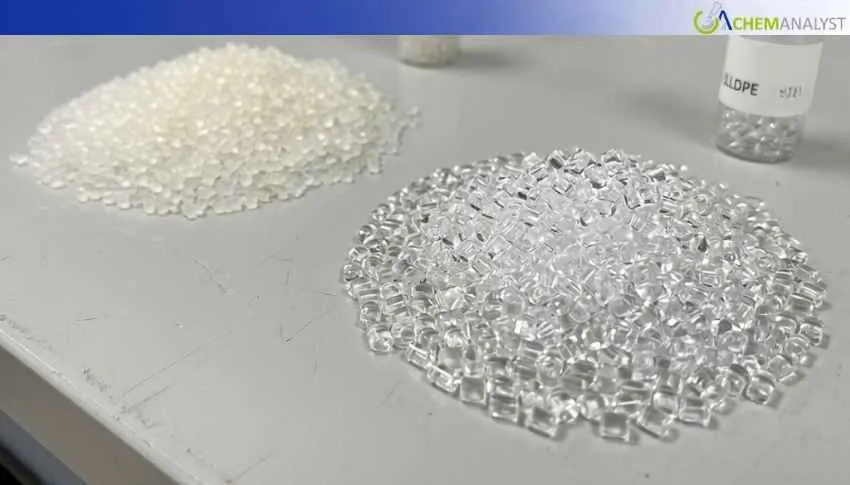
Linear Low-Density Polyethylene (LLDPE) prices in the United States surged 4.71% FOB Texas during the week ending March 6, 2026, as escalating ethylene feedstock costs and robust domestic procurement activity supported sharp upward momentum across Gulf Coast markets. The advance reflected intensifying supply-side pressures from elevated energy costs and strategic inventory building among downstream converters anticipating further cost escalation.
US Gulf Coast ethylene feedstock costs increased substantially during early March as natural gas prices remained elevated, translating into higher cracker operating expenses for integrated polyethylene producers in Texas and Louisiana chemical corridors. Domestic ethylene contract prices firmed in response to these energy cost pressures, with producers passing through elevated production expenses to downstream LLDPE manufacturers who subsequently adjusted FOB Texas quotations upward to maintain operating margins. Gulf Coast crackers maintained stable operating rates, though production economics faced mounting pressure from both natural gas costs and competing demand from derivative chains including ethylene oxide and ethylene glycol applications. Additionally, crude oil's surge following Middle East conflict escalation created upward cost-push momentum across the entire petrochemical value chain, as naphtha-based alternative feedstocks tracked crude oil pricing and reinforced ethylene cost firmness. US LLDPE producers cited these combined feedstock and energy pressures as primary justification for implementing the week's substantial LLDPE price increases, noting that production cost inflation necessitated pricing adjustments to ensure continued economic viability of LLDPE manufacturing operations.
US converters in the packaging film, agricultural film, and stretch wrap manufacturing sectors commenced modest procurement for spring production schedules as seasonal demand cycles entered their traditional restocking phase. Film grade LLDPE buyers, accelerated contract volumes substantially from baseline levels to support Q2 production plans, with robust activity driven by consumer goods packaging demand, e-commerce fulfillment requirements, and approaching agricultural planting season film applications. Beyond routine seasonal procurement, market participants reported that buyers initiated strategic stockpiling activities driven by fears of further cost escalation linked to ongoing Middle East conflict and global supply chain uncertainties. Purchasing managers sought to secure domestic material at current LLDPE price levels before additional ethylene-linked increases materialized, with defensive inventory building intensifying buying interest well beyond typical spring restocking requirements as converters established substantial safety stock buffers against potential feedstock supply disruptions or sustained crude oil price rallies.
Looking ahead, market participants anticipate continued firmness in LLDPE quotations as global supply concerns intensify following Tianjin LG Bohai Chemical's force majeure declaration, citing Middle East conflict-driven feedstock disruptions affecting naphtha and ethylene availability through the Strait of Hormuz. While the Chinese producer's operating rate reductions primarily impact Asian markets, the declaration signals broader global petrochemical supply chain vulnerabilities that could reduce Asian export competition in Americas markets and support continued domestic US LLDPE pricing strength. Industry analysts warn that sustained crude oil prices through March will maintain elevated ethylene production costs, necessitating additional LLDPE price increases to preserve producer margins while robust spring demand fundamentals provide underlying support for continued upward momentum.








 About ChemAnalyst
Leave a Comment
Comments (0)