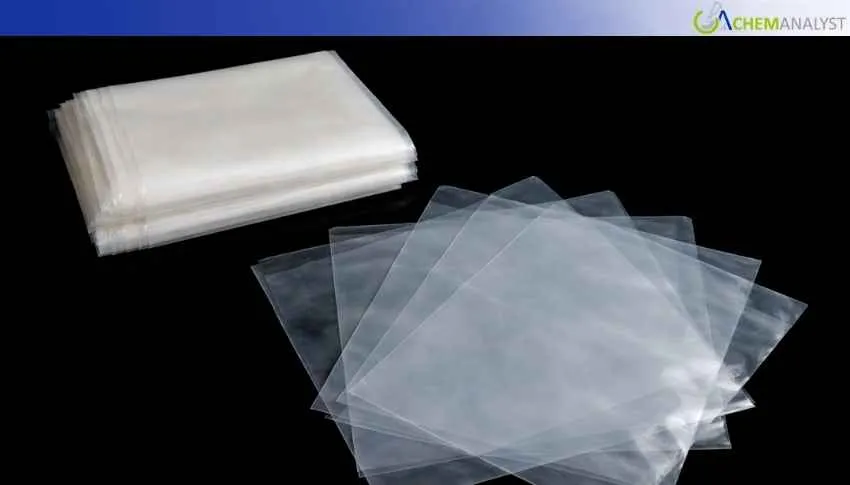
Linear low-density polyethylene (LLDPE) prices in the United States surged 7.38% on a week-on-week basis during the week ending 3 April 2026. The extraordinary price escalation reflects a rare alignment of near-capacity producer operating rates, accelerating export-driven inventory depletion, tightening buyer credit conditions, and elevated ethylene feedstock costs compounded by geopolitical risk premiums arising from the ongoing U.S.-Israel-Iran conflict.
Domestic LLDPE supply conditions tightened materially during the reference period despite an absence of significant unplanned production disruptions, with operating rates at U.S. Gulf Coast and Canadian facilities running at mid-90s percent of effective capacity as LLDPE producers maximised throughput to capitalise on elevated market pricing. Some turnaround activity was reported at plants in Texas, incrementally constraining available production volumes. Crucially, the aggressive channelling of output into export markets — where demand, particularly from Europe, remains robust and pricing commands a premium — has accelerated the drawdown of domestic LLDPE inventories, with stockholding levels expected to fall to below-normal positions into April. This structural inventory erosion has materially curtailed spot market availability for domestic LLDPE buyers, reinforcing upward price momentum. On the feedstock side, ethylene production economics remained under pressure as broader energy market inflation partly attributable to Strait of Hormuz supply disruptions stemming from sustained U.S.-Israeli military operations against Iran, added a persistent cost-push dimension to the LLDPE supply narrative.
Short-term demand dynamics shifted decisively toward supply security over price sensitivity during the reference week, with domestic LLDPE buyers prioritising coverage over cost optimisation in response to the pace and magnitude of price increases. Film and flexible packaging converters — the primary consuming segments for LLDPE — reported active procurement enquiries despite the sharp price advance, reflecting the prioritisation of inventory security over near-term margin management. However, underlying LLDPE demand growth remains modest, and market participants flagged growing concern that the velocity of LLDPE price increases may increasingly prove difficult to pass through to downstream buyers, raising the prospect of demand destruction at higher price levels. An additional structural constraint emerged in the form of tightening buyer credit lines; the speed and scale of price appreciation has pushed several buyers toward their credit facility limits, constraining their ability to transact without credit extensions from counterparties or lending institutions. Export demand remains the dominant demand driver, with Europe in particular absorbing material at the highest price levels globally, while Asian export demand remains comparatively subdued.
Producers are expected to continue pressing for further LLDPE price increases until demand destruction becomes visible and measurable, with the inflection point likely to vary across geographies and end-use segments, potentially prompting regionally differentiated pricing strategies to preserve global trade optionality. The near-term trajectory for U.S. LLDPE prices remains skewed to the upside, though the pace of appreciation is expected to moderate as credit constraints progressively limit buyer participation and downstream resistance to margin compression intensifies. The geopolitical dimension remains a key overlay: any escalation of U.S.-Israeli operations against Iran — would sustain ethylene feedstock cost inflation and reinforce producer pricing power. Conversely, a diplomatic de-escalation or strategic petroleum reserve intervention could ease feedstock economics and provide the conditions for a brief consolidation. Market participants should closely monitor April export price developments and credit market conditions as leading indicators of the demand destruction threshold.







 About ChemAnalyst
Leave a Comment
Comments (0)