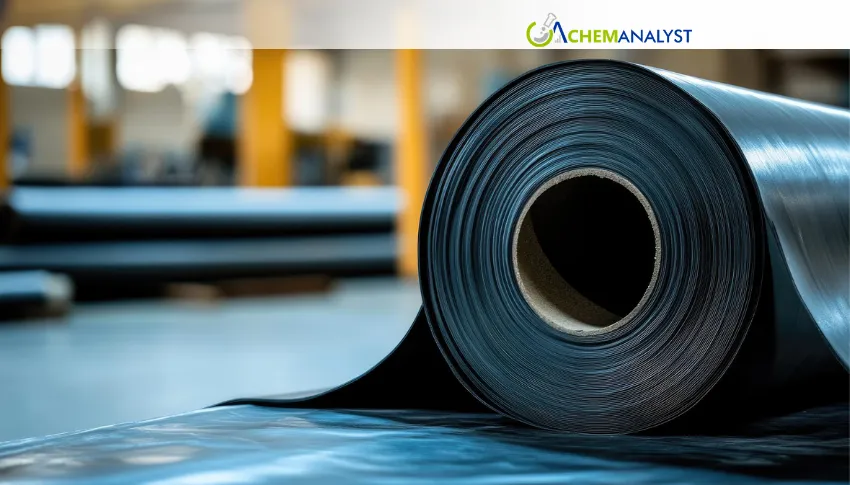
US NBR prices increased 6.9% in August 2026, as late-summer restocking, tighter spot availability, and persistent feedstock cost pressure encouraged suppliers to raise offers. Buyers increasingly secured material for autumn requirements, reducing readily available volumes and supporting the upward movement. Strong automotive consumption provided a firm demand base, while glove manufacturers also resumed procurement following the new fiscal year. At the same time, higher freight and insurance costs increased landed replacement values for imported NBR, reinforcing the firmer market sentiment through August.
Demand for NBR remained broadly supportive across key downstream applications. The automotive sector continued to represent the strongest source of demand, with steady vehicle production supporting procurement of NBR for seals, hoses, gaskets and other oil-resistant components. Disposable-glove manufacturers also increased replenishment, providing additional demand support. Industrial rubber-product manufacturers maintained regular purchasing for conveyor belts, machinery parts and oil-resistant hoses. However, footwear and adhesive applications remained comparatively soft, limiting the overall strength of the NBR demand recovery. Buyers nevertheless showed greater willingness to secure inventory ahead of the autumn production cycle.
Supply-side developments added further support to NBR prices during August. Rising 1,3-butadiene and acrylonitrile costs increased replacement expenses for producers, while tighter regional monomer availability encouraged Asian exporters to seek firmer landed offers. Several production disruptions also constrained nearby supply, including maintenance at MOL Petrochemicals' Tiszaújváros butadiene unit, reduced acrylonitrile operating rates at Zhenhai and the shutdown of SIBUR's ZapSibNeftekhim complex following the August drone attack. These developments reduced supply flexibility and strengthened the NBR market, while higher freight and insurance costs further increased import replacement values.
Looking ahead to September 2026, NBR prices are expected to remain firm as automotive procurement, industrial rubber demand and glove-sector restocking continue to support consumption. Buyers may maintain higher inventory coverage ahead of the autumn production cycle, while elevated 1,3-butadiene and acrylonitrile costs could keep NBR replacement values high. Continued production disruptions or reduced operating rates at overseas facilities could further tighten NBR availability, while freight and insurance costs may continue supporting landed offers. However, improved production availability or weaker automotive and industrial demand could moderate the NBR advance. Seasonal destocking later in the year may also limit momentum. Overall, the September NBR outlook remains cautiously bullish, with feedstock availability, upstream operating rates, automotive demand and international logistics expected to determine whether the August recovery can be sustained.








 About ChemAnalyst
Leave a Comment
Comments (0)