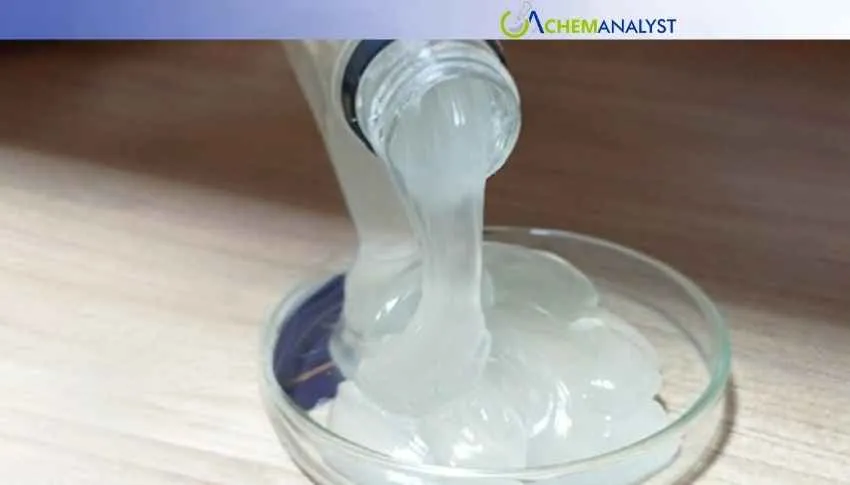
Sodium Lauryl Ether Sulphate (SLES 28%) prices at DEL Texas advanced 2.50% during mid-May 2026, extending the sustained bullish trajectory that has characterised the US Gulf Coast surfactant market since the Middle East war began on February 28, 2026, as the convergence of elevated ethylene oxide feedstock costs, peak summer personal care season demand, and the continued collapse of Middle Eastern and Asian competitive supply sustained upward pricing pressure for SLES at American production and distribution points.
The week's price appreciation was anchored in persistent feedstock cost elevation. The extraordinary crude oil price levels sustained throughout Q2 2026 — with Brent averaging approximately $106 per barrel in May — maintained ethylene oxide production costs at elevated levels that prevented any meaningful reduction in US SLES manufacturing economics despite the modest crude correction from April's extraordinary highs.
On the demand side, the US SLES market experienced the seasonal uplift characteristic of mid-May personal care sector activity. Supply constraints arising from intermittent production issues at key Gulf Coast surfactant plants and high inland logistics expenses added upward pressure on manufacturing costs, with the personal care and home cleaning sectors sustaining consistent downstream demand. The approaching US summer season — when shampoo, body wash, and household cleaning product consumption reaches annual peaks — sustained firm procurement for SLES from FMCG manufacturers building inventory ahead of the high-demand period, providing the demand-side complement to supply-side cost pressure.
Looking ahead to the coming weeks, US SLES prices are anticipated to follow a broadly positive trajectory through late May and into June, though the pace of appreciation is expected to moderate from recent extraordinary gains. Market participants are watching whether OPEC+'s anticipated output increase of 206,000 barrels per day for May 2026 and expanding non-OPEC+ Permian Basin production can ease crude oil and ethylene oxide cost pressures; any meaningful crude correction from the EIA's projected $106/barrel May-June average toward the $89/barrel Q4 2026 forecast would gradually ease ethylene oxide production costs with a 2–3 month lag. When palm oil prices decline 20%, SLES pricing typically follows with a 12–15% reduction over a 2–3 month lag period — suggesting that any Hormuz resumption-driven crude and palm oil cost moderation beginning in June would not fully transmit to US SLES pricing until August–September 2026. US SLES prices are consequently anticipated to remain firm through June before beginning a gradual moderation into Q3 2026 as Hormuz traffic resumes and feedstock cost relief filters through production economics.







 About ChemAnalyst
Leave a Comment
Comments (0)