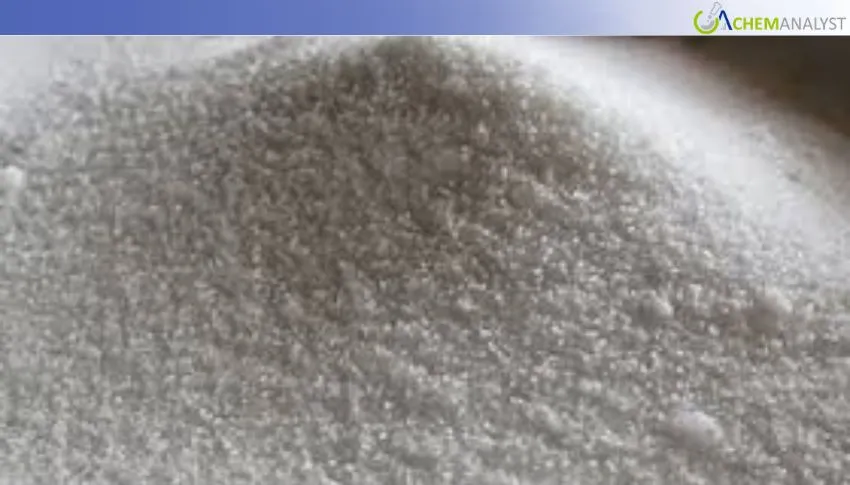
In late February 2026 USA soda ash values were effectively unchanged on a weekly basis, with prices showing no week-on-week change per the weekly assessment. Despite that flat finish to the period, February closed modestly lower overall, with a month-on-month decline of 1.09% according to ChemAnalyst data. Early February saw softer cues for the light grade, while mid-month dynamics reflected a continuation of a multi-week downtrend; by the final week buying interest and production levels were broadly steady, leaving the market balanced as the month concluded.
Soda ash prices remained stable this week as global markets reacted cautiously to geopolitical tensions in the Middle East. Concerns initially emerged after the Donald Trump administration announced new measures to stabilize energy shipments following the US-Israel conflict with Iran and disruptions near the Strait of Hormuz. The U.S. government’s plan to provide insurance support and potential naval escorts for energy vessels helped ease fears of severe supply chain disruptions. While war-risk insurance premiums for shipping surged, the broader reassurance around oil and LNG transport prevented major spikes in energy costs. As a result, production costs for soda ash manufacturers remained largely unchanged, allowing market participants to maintain stable pricing despite ongoing geopolitical uncertainty.
Soda Ash demand conditions varied across traditional end-use sectors. Support from general soda ash purchasing helped underpin stability late in the month, while the Soda Ash light grade experienced weaker uptake mid-February, signalling softer demand in some channels. The divergent moves between grades highlight uneven demand patterns across applications such as glass manufacturing and detergent production, with steady interest in some segments offsetting softness elsewhere.
Weekly Soda Ash price movements through the month were modest rather than volatile. Early-to-mid February saw the soda ash light grade ease and the dense grade display a brief recovery, before volumes and bids flattened into the end of the month, per weekly assessment data prices trended within a narrow range overall. Mid-month decreases for the light grade were met by a rebound in the dense grade the following week, and by late February the market was essentially stable on a week-on-week basis. These short swings reinforced the prevailing view of a Soda Ash market in consolidation rather than one undergoing decisive directional change.
Looking ahead, as per ChemAnalyst, the near-term Soda Ash market outlook is for continued stability, driven by steady buying interest and consistent production levels, although the ongoing declining 12-week trend remains a moderating factor. Market participants will watch whether demand from key end-uses strengthens or if the multi-week bearish trend deepens; any meaningful shift in buying patterns or unexpected supply events would alter the trajectory.








 About ChemAnalyst
Leave a Comment
Comments (0)