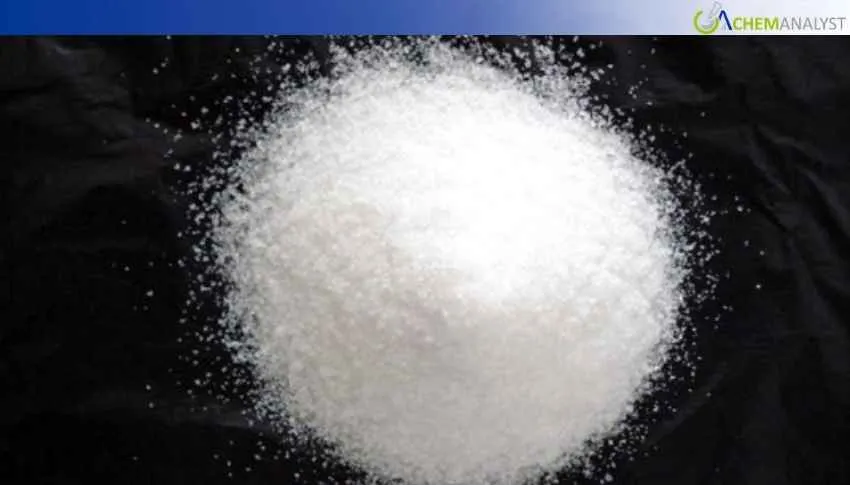
US Soda Ash prices eased into February, with weekly assessment data showing a fall of 0.55% and January 2026 recording a modest month-on-month decline of 0.54% according to ChemAnalyst data. The market entered the month in a post-holiday lull, with buyers well covered and spot inquiries muted. Wyoming trona operations ran at normal rates and rail dispatches to Gulf and West-Coast terminals remained uninterrupted, which, together with regular Turkish dense-grade arrivals, kept inland inventories well supplied and limited seller leverage. Overall sentiment was cautious, with procurement managers adopting a wait-and-see stance amid subdued immediate offtake in the Soda Ash market.
Soda Ash demand patterns were mixed across end-use sectors. Flat-glass furnaces continued regular melt rates to service automotive and architectural orders, while container-glass demand moved sideways as bottlers drew on existing inventories, the glass segment therefore remained broadly steady. Detergent manufacturers reported routine monthly call-offs and chemical-intermediate producers logged business-as-usual volumes, both sectors holding steady. In contrast, construction-related demand was weak, with no seasonal uptick expected until spring when activity typically resumes. Domestic Soda Ash production remains the dominant supply source, satisfying 99.0% of U.S. requirements while imports account for roughly 1.0%.
Upstream and logistical factors further shaped the Soda Ash price picture. Offshore anhydrous ammonia costs rose sharply month-on-month pushing synthetic-route soda ash costs higher, yet the U.S. natural-soda cash-cost advantage largely prevented that increase from being passed into domestic ex-works levels. Wyoming trona mines reported no maintenance outages at any of the four major units, preserving output continuity. Railcar availability on Class-I networks stayed stable overall, though a brief episode of east-bound rail congestion was noted and could momentarily tighten merchant availability. Regular unloading at Gulf dry-bulk berths and steady inland rail flows softened short-term upward price pressure.
Weekly Soda Ash price patterns showed modest downward drift rather than volatile swings. Per weekly assessment data, Soda Ash prices decreased modestly in early February after a sharper mid-January dip, driven by subdued offtake and ample supply before settling into a narrow, sideways range. Market participants described activity as muted with producers offering competitive spot parcels to maintain turnover, while procurement remained cautious given comfortable inventory positions. The weekly Soda Ash price moves reflect a market balancing steady supply against tepid post-holiday demand rather than any structural shift in fundamentals.
As per ChemAnalyst, near-term Soda ash price softening followed by gradual firmer into spring is expected in February, followed by gains in March and April and further mixed movements through July. Key drivers include the post-holiday reduction in industrial activity, ample domestic production and steady inventories that limit upside, an anticipated spring uptick from glass and detergent sectors, and firming offshore feedstock costs that could apply moderate pressure. These projections are based on current Soda Ash market trends and remain subject to prevailing market conditions.







 About ChemAnalyst
Leave a Comment
Comments (0)