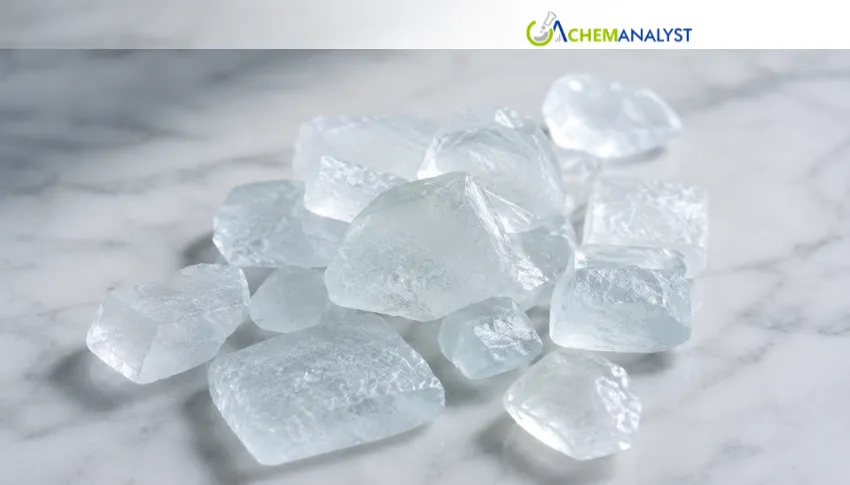
According to ChemAnalyst data, US Sodium Silicate prices increased by 13.58% month-on-month in July 2026, marking a decisive monthly advance. The price trend strengthened as the month progressed, with buyers facing fewer readily available import parcels and higher replacement costs. Chinese export availability became tighter as producers managed elevated input expenses, prompting exporters to exercise greater selectivity over July shipments. US buyers consequently became more willing to secure available cargoes, particularly as seasonal requirements increased. This combination of limited spot availability and stronger procurement activity allowed Sodium Silicate sellers to push offers higher.
Supply dynamics played a central role in the Sodium Silicate rally. Chinese producers faced increased production-cost pressure from higher soda ash expenses and energy-related charges, leading some eastern coastal and Shandong facilities to reduce operating days or throttle production during portions of July. These adjustments restricted the availability of export parcels and contributed to tighter trans-Pacific supply. German specialty grades were also selectively allocated toward higher-margin European contracts, further limiting alternative supply for US buyers. As a result, importers had fewer options when seeking replacement material, supporting firmer Sodium Silicate negotiations.
Feedstock developments added another layer of support. Dense soda ash, a key raw material for Sodium Silicate production, became more expensive during July amid higher energy-linked mining surcharges. Rising upstream costs encouraged producers to protect margins by increasing export offers or reducing production intensity. The cost pressure was particularly significant for suppliers serving distant markets because higher manufacturing expenses were compounded by elevated ocean freight. Unless soda ash and energy costs ease, the cost base for Sodium Silicate producers is likely to remain relatively high through the near term.
Logistics also contributed substantially to the US Sodium Silicate market's strength. Container freight on the Shanghai-to-Houston route rose sharply during July, increasing the landed cost of imported material and making prompt cargoes more expensive for US buyers. Freight volatility also encouraged importers to bring forward purchasing decisions where possible, particularly when downstream production schedules required dependable supply. Any further disruption to Asian shipping routes or continued container shortages could therefore provide additional upward pressure on Sodium Silicate availability and landed costs.
Demand from downstream industries remained broadly supportive. Detergent manufacturers were among the strongest consumers of Sodium Silicate, accelerating summer production runs and replenishing inventories ahead of promotional activity. Construction-related demand also improved, with buyers increasing requirements for ready-mix concrete additives, specialty grouts, binders, and related applications. The insulation sector provided another source of support as firmer housing activity encouraged consumption of glass-fibre insulation products. However, some downstream users remained cautious because higher Sodium Silicate costs were placing pressure on operating margins, preventing demand from becoming uniformly aggressive.
Trade activity therefore remained a crucial market driver. Lower availability from Chinese exporters increased US reliance on available overseas cargoes, while higher freight costs raised the delivered cost of imported Sodium Silicate. Buyers increasingly competed for prompt material rather than waiting for prices to decline, reinforcing the bullish sentiment. Domestic inventories were rebuilt selectively, particularly among customers with seasonal production commitments.
Looking ahead, the near-term outlook for Sodium Silicate is expected to remain firm through late summer, although the market could experience intermittent corrections. Continued detergent and construction demand, elevated freight expenses, high soda ash costs, and potential furnace curtailments are expected to provide support. Conversely, normalization of Asian shipping rates, improved Chinese export availability, or easing soda ash surcharges could reduce landed-cost pressure and encourage buyers to delay purchases. Seasonal inventory rebuilding ahead of third-quarter promotions and later-year replenishment should provide additional demand support. Overall, Sodium Silicate is likely to retain a firm market tone in the near term, with supply availability, freight movements, and downstream procurement behavior remaining the key factors to monitor.







 About ChemAnalyst
Leave a Comment
Comments (0)