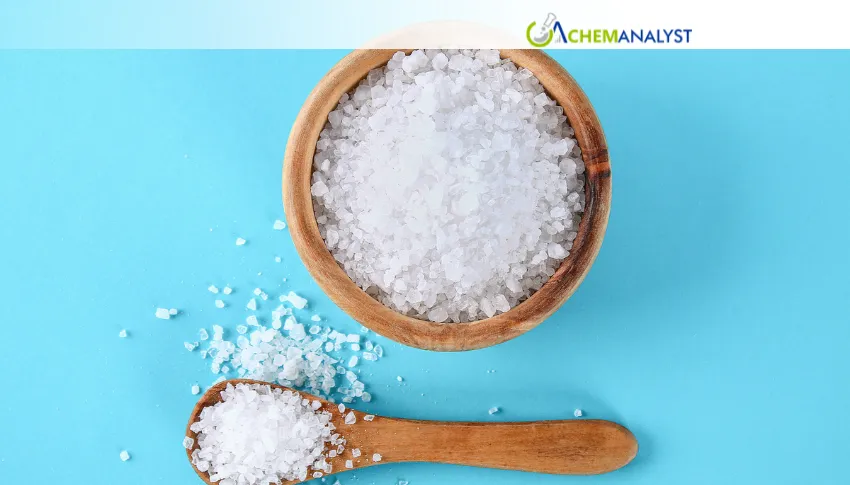
US Trisodium Phosphate prices are expected to increase by 0.8% in August 2026. The market is likely to remain supported by elevated logistics costs, firm summer demand and higher feedstock expenses. Food-processing companies, municipal water-treatment operators and industrial cleaning manufacturers are expected to maintain regular procurement, while buyers may continue securing material to avoid supply interruptions. On the cost side, feedstock Phosphoric Acid prices increased 1.1%, adding further pressure to producers' replacement costs. Stable but constrained availability from suppliers could encourage sellers to maintain firmer offers despite sufficient overall supply.
Demand for Trisodium Phosphate is expected to remain supportive during August, particularly from food-processing and municipal water-treatment applications. Food manufacturers are likely to sustain procurement for sanitation and processing requirements during the summer production cycle, while municipal utilities may continue chemical purchasing amid seasonal algal-bloom and water-treatment concerns. Industrial cleaning and detergent formulators are expected to maintain steady call-offs, providing a stable demand base. However, buyers could become more cautious if July's price increase encourages inventory conservation. Overall, downstream consumption is expected to prevent a significant correction in Trisodium Phosphate prices during August.
Supply and production dynamics are likely to remain valuable for the Trisodium Phosphate market. Phosphoric Acid prices rose 1.1%, increasing production and replacement costs for manufacturers. Sulfur-related supply constraints could continue affecting phosphate intermediates and merchant availability, while higher soda ash costs at exporting origins may add further cost pressure. Chinese export availability could remain selective, limiting US importers' access to lower-priced cargoes. These factors, combined with elevated freight expenses, are expected to keep delivered Trisodium Phosphate prices relatively firm during August.
Looking ahead to September 2026, Trisodium Phosphate prices are expected to remain firm, supported by continued downstream procurement, elevated feedstock costs and relatively constrained import economics. Food-processing and water-treatment demand could remain steady, while distributors may begin replenishing inventories ahead of the autumn production cycle. However, any improvement in Asian export availability or easing of container freight could moderate the upward movement. Conversely, further increases in Phosphoric Acid costs, renewed production curtailments or tighter sulfur availability could strengthen seller pricing power. The September outlook therefore remains dependent on the balance between seasonal demand, feedstock costs, freight conditions and regional supply availability.








 About ChemAnalyst
Leave a Comment
Comments (0)