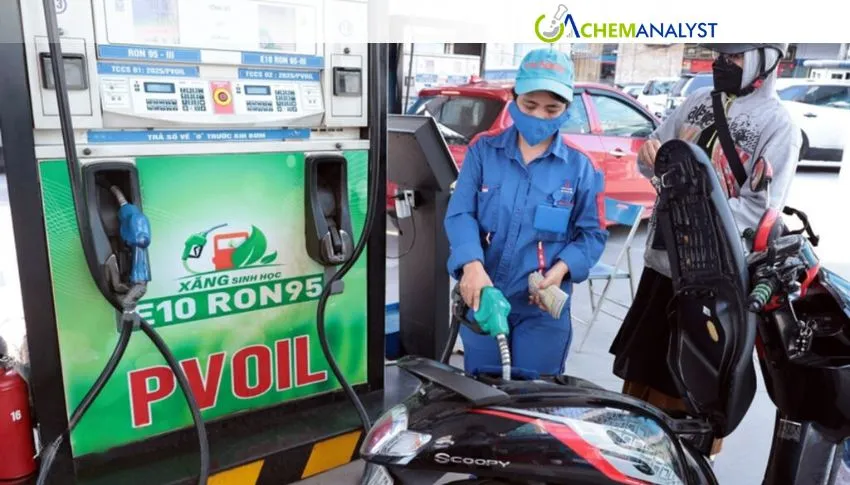
Vietnam is poised to implement a nationwide transition to E10 biofuel, a blend of 10% bioethanol and 90% conventional gasoline, starting June 1, 2026. This initiative is a cornerstone of the Ministry of Industry and Trade's broader roadmap for green energy transition and environmentally friendly fuel use, building upon the earlier introduction of E5 biofuel in 2018.
The primary motivations behind this shift are multifaceted. Environmentally, E10 is expected to significantly reduce greenhouse gas emissions, with projections suggesting a cut of up to 2.5 million tons of CO2 annually if 1 million cubic meters of mineral gasoline are replaced. The ethanol content in E10 promotes more complete and cleaner combustion, leading to reduced harmful emissions and improved air quality. From an energy security perspective, the transition aims to lessen Vietnam's reliance on imported fossil fuels, especially given the country's limited domestic oil and gas reserves. Economically, E10 is generally cheaper than conventional gasoline, offering potential cost savings for consumers. It also seeks to bolster the domestic agricultural sector by creating stable demand for ethanol-producing crops like cassava and sugarcane, thereby supporting farmers in remote areas.
The implementation of E10 has involved substantial preparation. Major fuel distributors, including Petrolimex and PVOIL, initiated pilot sales of E10 in key cities like Hanoi, Hai Phong, and Ho Chi Minh City from August 2025, progressively expanding their networks. These companies have invested in upgrading storage tanks, blending systems, and retail infrastructure to ensure a smooth transition and stable supply. Under Circular No. 50/2025/TT-BCT, the nationwide use of E10 is mandated, though E5 RON 92 will continue to be supplied until the end of 2030.
Despite the clear benefits, the transition presents certain challenges, particularly concerning the supply of ethanol. The estimated monthly demand for ethanol to produce E10 is between 92,000 and 100,000 cubic meters. However, Vietnam's six domestic ethanol plants currently produce only about 25,000 cubic meters per month, meeting just 25-27% of the demand. This significant shortfall necessitates importing approximately 75,000 cubic meters of ethanol monthly, potentially costing Vietnam around 1 billion USD annually in the initial phase. While domestic agriculture is intended to support ethanol production, fragmented cultivation and low productivity of raw materials like cassava pose further challenges.
For the automotive industry, major manufacturers such as Honda, Toyota, Hyundai, Ford, and Mercedes-Benz have confirmed that most modern vehicles in Vietnam are compatible with E10 fuel, alleviating consumer concerns about engine performance and durability. Experts also note that E10's higher octane rating can improve engine efficiency and reduce knocking. The nationwide rollout of E10 is considered just the initial step in Vietnam's biofuel strategy, with authorities planning future studies on transitioning to higher blends like E15 and E20.








 About ChemAnalyst
Leave a Comment
Comments (0)