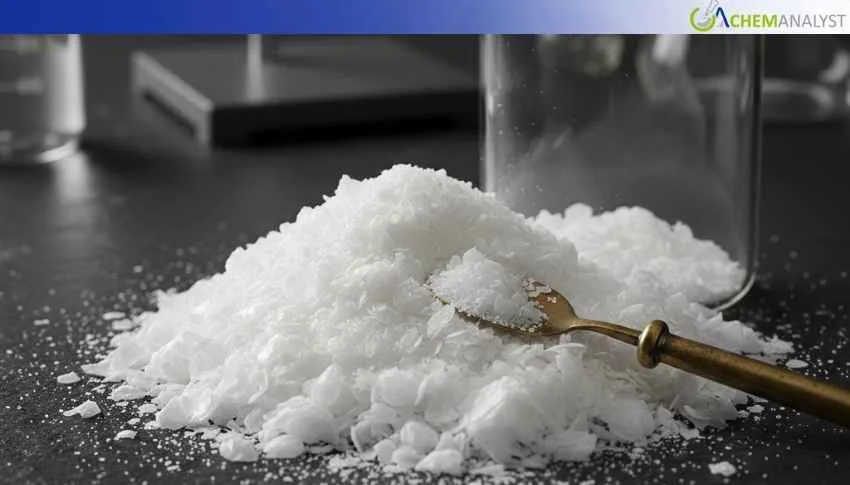
As per Statistics China's most recent data, total imports of Stearic Acid dropped to 3399.20 MT as of October 2025, a decrease of 15.08 percent from the previous month. This drop indicates a weak demand for Stearic Acid from various industries, including personal care products, cleaning products, PVC stabilisers, rubber machinery, and industrial machinery using lubricants. Due to the current state of uncertainty about the economy, Stearic Acid buyers have been especially cautious due to high inventory levels and not wanting to make long-term purchases.
According to a number of palm oil producers in Southeast Asia (specifically Indonesia and Malaysia), the poorer performance of crude palm oil and palm stearin is impacting the fundamentals of Stearic Acid. The Southern Malaysian Palm Oil Association also reported that there was a slight reduction of 0.19% month-over-month in South Malaysia palm oil production for November. There are still worries among processors due to inconsistent weather conditions for harvesting, along with recurrent shipping difficulties due to regional weather patterns.
The Industrial Association of Indonesia indicated that the floods, landslides and cyclones that struck Sumatra recently have had little impact on manufacturing output or availability of feedstock for the manufacturing sector as feedstock remains stable throughout the region. However, the slow pace of demand through the use of manufactured products in the downstream sector continues to exacerbate oversupply conditions of Stearic Acid within the supply chain.
Although India's anticipated growth in palm oil imports in 2025/26 is expected to be 9.3 million metric tons versus the previous year's 7.58 million metric tons, this does not appear to have had a major impact on the overall procurement of Stearic Acid. The majority of local buyers continue to use a very short purchasing cycle due to the uncertainty of fluctuating global market cues concerning palm oil.
China's Stearic Acid sentiments are conflicting because industrial recovery is uneven throughout the economy. In the case of palm oil from Malaysia, production from November 1-20 increased by a mere 3.2%, an amount much lower than the expected 7-10%, which caused a brief boost in regional fatty acid confidence. However, the steep drop in Malaysian palm oil exports between 14.1% and 20.5% versus the previous month has placed downward pressure on confidence again.
As per the ChemAnalyst the price of the Stearic Acid is expected to showcase a continuous decline in the upcoming sessions. This projection of decline in the price is majorly attributed to the overall softness in demand, cautious buying, and uneven feedstock support, the Asian Stearic Acid market is expected to remain under pressure in the near term unless a stronger revival in downstream consumption emerges.







Leave a Comment
Comments (0)