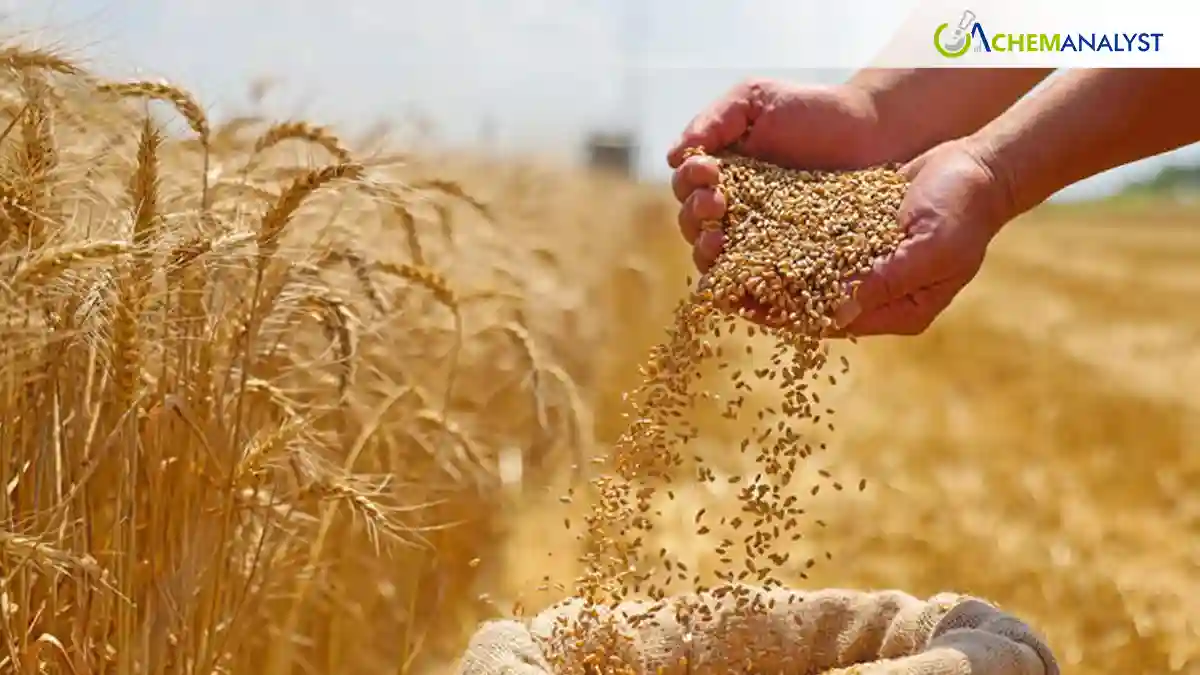
Chicago Board of Trade (CBOT) wheat futures have seen a significant increase following a dire report from the U.S. Department of Agriculture (USDA), which downgraded the condition ratings for the nation's winter wheat crop to a 30-year low. As of Sunday, only 27% of the U.S. winter wheat was rated in good-to-excellent condition, a one-percentage-point drop from the previous week and the lowest recorded for this time of year since 1996. This alarming assessment has sent futures prices soaring, with July hard red winter wheat briefly reaching $7.50 per bushel.
The primary cause behind this critical decline is severe and persistent drought conditions across the U.S. Plains, particularly impacting key hard red winter wheat growing regions such as western Kansas, eastern Colorado, Oklahoma, and the Texas panhandles. The drought footprint for winter wheat has expanded by 30% since mid-January, with approximately 71% of the crop currently experiencing some level of drought stress. Exacerbating the situation, a brief cold snap in mid-April brought freezing temperatures, further threatening crops that were already ahead in their development, making them more vulnerable to frost damage.
The consequences of this poor crop rating are far-reaching, with significant economic and industry-specific impacts. Economically, the reduced supply is fueling fears of food inflation, as higher wheat prices contribute to increased costs for food commodities and, ultimately, consumer prices on supermarket shelves. Media reports are predicting higher abandonment rates for hard red winter wheat, potentially exceeding 30% of the crop, as farmers may deem it unprofitable to harvest severely damaged fields. The USDA forecasts overall U.S. wheat production for the current year to be the lowest since 1972, with winter wheat production expected to fall by 25% year-over-year. Farmers are also grappling with stubbornly high input costs, which, combined with the drought, are influencing decisions to plant fewer wheat acres.
From an industry perspective, the agricultural sector faces considerable challenges. Crop ratings suggest a yield reduction of 10% to 20% compared to last year, with Kansas, a top wheat-producing state, potentially seeing average yields sink significantly. While the domestic situation is severe, the impact on international prices may be somewhat mitigated by ample global supplies and stiff export competition from other major producers like Russia. However, this also means U.S. wheat exports are forecast to decline, constrained by the smaller domestic crop and higher U.S. prices, making American wheat less competitive on the global market.
Although the article touches on broader agricultural trade, including a commitment from China to purchase U.S. agricultural products (primarily soybeans) following President Trump's visit, the immediate geopolitical implications directly tied to the U.S. wheat drought are less pronounced in the context of overall global wheat supply due to the availability from other nations. Nevertheless, the ongoing volatility in the wheat market underscores the vulnerability of global food systems to climate disruptions and emphasizes the need for adaptive agricultural and trade strategies in an increasingly uncertain environment.







 About ChemAnalyst
Leave a Comment
Comments (0)