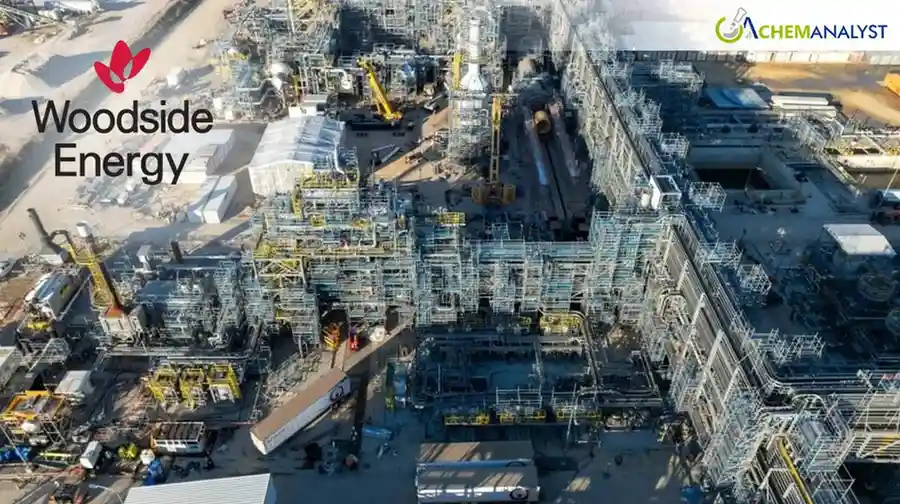
Woodside Energy has officially taken over operational control of the Beaumont New Ammonia (BNA) facility in southeast Texas, marking a key step in its expansion into lower-carbon energy solutions. The transition follows the successful completion of performance testing and the formal handover from OCI Global, the previous owner. This development comes after Woodside finalized its acquisition of OCI Clean Ammonia Holding B.V. in September 2024 through an all-cash deal valued at approximately $2.35 billion. The transaction included capital expenditure required to complete the project, with 80% of the payment made at closing and the remaining 20% settled upon assuming operational control, subject to customary adjustments.
The BNA facility represents a significant asset in Woodside’s growing portfolio of new energy projects. Designed to produce and export up to 1.1 million tons of ammonia annually, the plant began initial production in December 2025. The facility is expected to play an important role in meeting global demand for ammonia, particularly as industries seek cleaner fuel alternatives and lower-carbon solutions.
However, despite achieving operational readiness, Woodside has announced a delay in the production of lower-carbon ammonia from the site. While commercial production was initially anticipated to begin shortly after the handover, with lower-carbon ammonia output targeted for the second half of this year, the timeline has now been pushed back. The company indicated that production of lower-carbon ammonia is unlikely to commence before 2026. This delay is primarily attributed to construction-related challenges at a third-party feedstock supply facility, which is essential for enabling reduced-carbon operations at the plant.
The setback highlights the complexities involved in developing integrated energy infrastructure, particularly when multiple external partners and supply chains are involved. Although the BNA facility itself is operational, its ability to produce lower-carbon ammonia depends on the timely completion and reliability of upstream feedstock systems. Any disruption or delay in these supporting components can have a direct impact on project timelines and output goals.
Woodside’s leadership emphasized that, despite the delay, the milestone of taking control of the facility remains a significant achievement. CEO Liz Westcott described the transition as an important step in advancing the company’s strategy to diversify into new energy products and expand its lower-carbon offerings. She also noted that, in the current environment of market volatility and supply chain challenges, the company remains focused on maintaining safe and reliable ammonia production for its customers.
In the near term, Woodside plans to prioritize stable operations and consistent supply from the facility. At the same time, the company continues to look ahead, maintaining its long-term vision of contributing to the development of a competitive lower-carbon ammonia market. This includes overcoming current infrastructure challenges and aligning its operations with evolving global energy transition goals.
Overall, while the delay in lower-carbon ammonia production represents a temporary setback, the successful commissioning and takeover of the BNA facility reinforce Woodside’s commitment to expanding its presence in the emerging low-emissions energy sector.








 About ChemAnalyst
Leave a Comment
Comments (0)