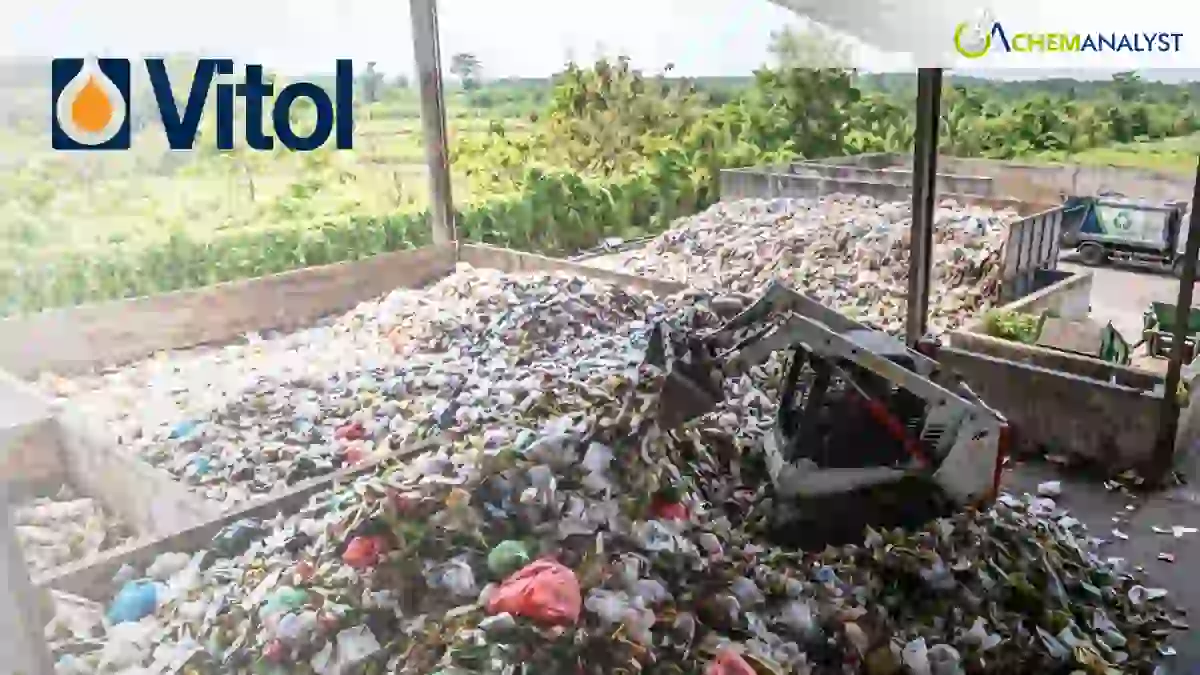
WPU, the plastics recycling arm of Vitol, has announced plans to establish a new chemical recycling facility dedicated to processing end-of-life plastics at the Port of Rotterdam. The proposed plant will be located adjacent to Vitol’s refinery operations and is designed to significantly enhance the company’s recycling capabilities. Once operational, the facility will be able to process approximately 80,000 tonnes of post-consumer plastic waste annually. This addition will increase WPU’s total recycling capacity to around 100,000 tonnes per year, marking a major step forward in its expansion strategy.
The Rotterdam site is expected to rank among the largest chemical recycling plants of its kind in Europe. It will utilize WPU’s proprietary batch pyrolysis technology, which has already been proven effective at commercial scale. Through this process, non-recyclable plastic waste is thermally broken down into pyrolysis oil. This oil can then be reused as a circular feedstock in the production of new chemicals, intermediates, and plastics. Compared to traditional fossil-based alternatives such as naphtha, the resulting products are expected to have a lower carbon footprint, supporting broader environmental and sustainability goals.
This initiative aligns with the growing demand for circular feedstocks within the petrochemical industry. It also reflects ongoing European policy efforts aimed at increasing recycled content in manufacturing and reducing emissions across value chains. By converting plastic waste into reusable raw materials, WPU’s project contributes to both waste reduction and decarbonization objectives.
According to Jeffrey van Geloof, CEO of WPU and managing director of Vitol’s refinery operations, the project represents a significant milestone in the company’s development. Drawing on operational experience gained from its existing facility in Denmark, WPU aims to scale its technology and strengthen its presence in the European market. The Denmark plant, located in Farevejle, currently processes around 20,000 tonnes of plastic waste annually and is operating near full capacity, demonstrating the reliability and efficiency of the technology.
Vitol executive Tom Baker highlighted the broader implications of the project, emphasizing its role in advancing a scalable circular economy within the plastics sector. He noted that initiatives like this not only help address the global plastic waste issue but also provide alternative raw materials for the petrochemical industry, ultimately lowering the carbon intensity associated with plastic production. The Rotterdam location offers additional advantages, as it allows seamless integration with existing industrial infrastructure and facilitates access to key markets.
The facility will also incorporate advanced furnace technologies designed to minimize environmental impact. Similar systems have already been implemented at Vitol’s Rotterdam refinery, achieving substantial reductions in emissions and energy consumption. These include a 50% decrease in nitrogen oxide emissions, an 80% reduction in sulfur dioxide emissions, and a 40% drop in overall energy use. Such improvements have positioned the refinery among the most energy-efficient in Europe.
Before construction can proceed, the project must secure all necessary regulatory approvals. As part of this process, WPU will engage in comprehensive consultations with stakeholders to ensure transparency and address any concerns.







 About ChemAnalyst
Leave a Comment
Comments (0)