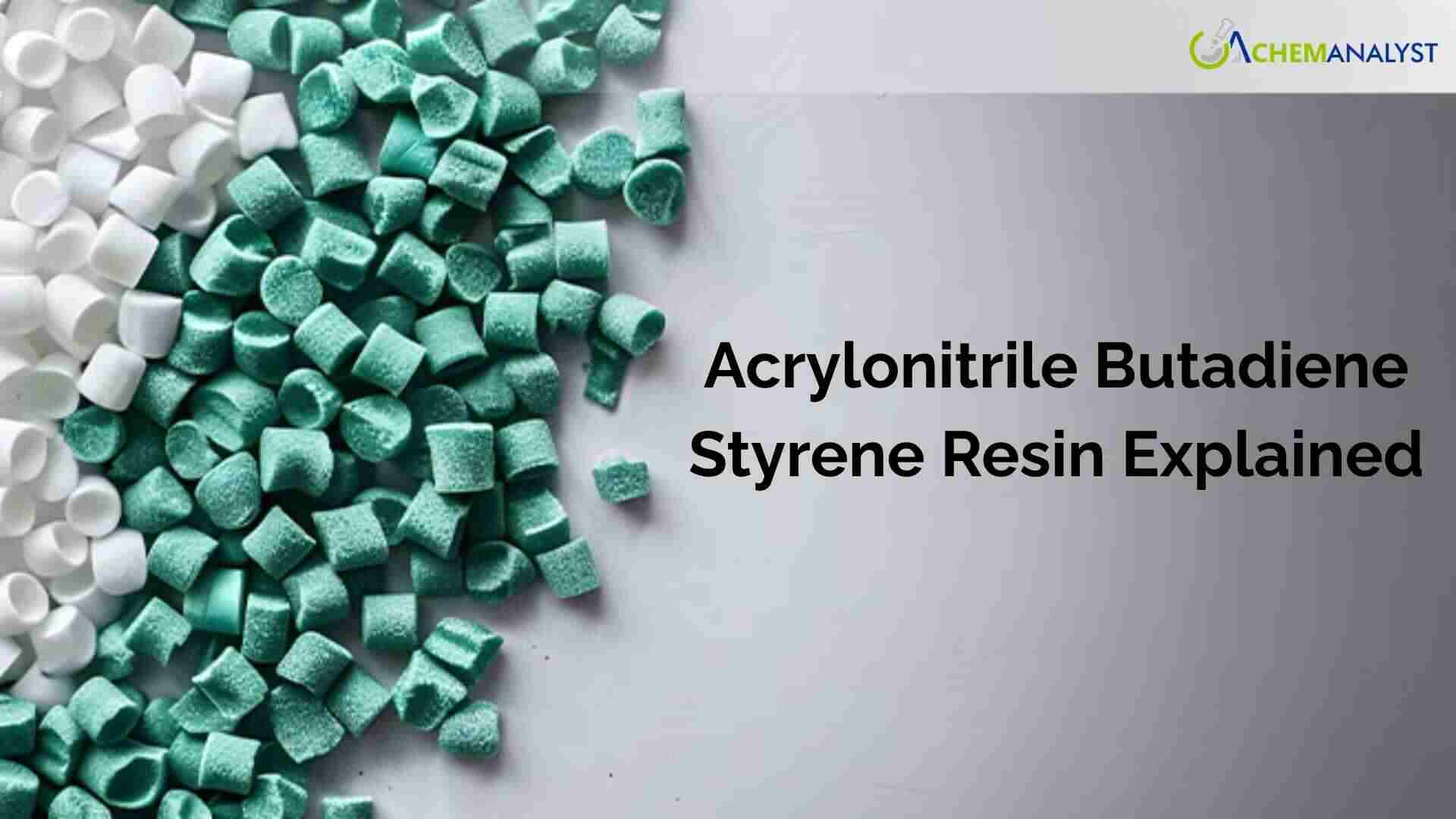
Acrylonitrile Butadiene Styrene, commonly known as acrylonitrile butadiene styrene resin or ABS resin, is one of the most widely used engineering thermoplastics in the global manufacturing industry. It is produced by combining three monomers—acrylonitrile, butadiene, and styrene—to create a material that offers high impact resistance, dimensional stability, chemical resistance, and excellent processability. Due to its balanced mechanical and thermal properties, ABS resin is extensively used in automotive components, electronic housings, construction materials, consumer appliances, and 3D printing applications.
The growing demand for lightweight and durable materials has significantly increased the industrial importance of acrylonitrile butadiene styrene resin. Manufacturers continue to invest in advanced processing technologies and sustainable production routes to improve efficiency and reduce environmental impact. Understanding the structure, manufacturing methods, and industrial applications of ABS resin is therefore essential for evaluating its commercial and technological significance.

Structure of Acrylonitrile Butadiene Styrene Resin
The molecular structure of acrylonitrile butadiene styrene resin consists of two primary phases: a rigid styrene-acrylonitrile copolymer matrix and dispersed polybutadiene rubber particles. Each monomer contributes unique performance characteristics to the final material.
• Acrylonitrile provides chemical resistance, heat resistance, and rigidity.
• Butadiene improves toughness, flexibility, and impact resistance.
• Styrene enhances processability, surface finish, and dimensional stability.
The combination of rigid and rubbery phases gives acrylonitrile butadiene styrene resin its excellent balance of strength and toughness. Manufacturers can adjust the ratio of the three monomers to produce customized ABS grades for specific industrial applications such as automotive interiors, electrical components, or high-impact consumer products.
Production Process of Acrylonitrile Butadiene Styrene Resin
Industrial production of acrylonitrile butadiene styrene resin is mainly carried out using continuous polymerization systems because they provide consistent quality, high productivity, and lower operational costs compared to batch manufacturing methods. The most common production routes include emulsion polymerization and mass polymerization.

1. Emulsion Polymerization Process
This is one of the most widely used industrial methods for producing ABS resin, especially in Asia.
Key Production Stages:
• Polymerization of butadiene rubber latex
• Grafting of styrene and acrylonitrile onto the rubber backbone
• Separation and coagulation of polymer particles
• Washing, drying, and pelletization
Advantages:
• Excellent impact resistance
• Cost-effective large-scale production
• Better control over particle size distribution
Limitations:
• Higher wastewater generation
• Additional purification requirements
2. Mass Polymerization Process
Mass polymerization, also called bulk polymerization, is preferred for premium-grade acrylonitrile butadiene styrene resin because it produces materials with superior surface quality and lower residual monomer content.
Production Process:
• Mixing of styrene, acrylonitrile, and dissolved butadiene rubber
• Controlled thermal polymerization
• Removal of unreacted monomers through devolatilization
• Extrusion and pellet formation
Advantages:
• Better surface gloss and color stability
• Lower volatile organic compound emissions
• Improved purity and thermal stability
Limitations:
• Higher equipment investment
• More complex process control
Raw Materials and Input Requirements
The primary feedstocks required for acrylonitrile butadiene styrene resin production are acrylonitrile, butadiene, and styrene monomers. These materials are mainly derived from petrochemical refining and steam cracking operations.
Major Raw Materials:
• Acrylonitrile
• Butadiene
• Styrene
• Polymerization initiators
• Stabilizers and antioxidants
• Flame retardants and UV additives
Industrial production requires high-purity monomers because impurities can negatively affect polymerization efficiency and final product quality. Manufacturers also use additives to customize the resin for specific applications requiring flame resistance, weather stability, or enhanced mechanical performance.
Equipment and Technology Used
ABS resin manufacturing plants utilize advanced industrial equipment to ensure process efficiency and product consistency.
Key Equipment Includes:
• Continuous stirred-tank reactors
• Polymerization vessels
• Devolatilization systems
• Extruders and pelletizers
• Automated process monitoring systems
Modern facilities use digital control technologies to monitor pressure, temperature, viscosity, and monomer conversion rates in real time. Heat recovery systems and energy optimization technologies are also integrated to reduce operational costs and improve sustainability.
Recent innovations include AI-based quality monitoring systems, predictive maintenance platforms, and closed-loop recycling technologies capable of recovering residual monomers and solvents for reuse within the manufacturing cycle.
Industrial Applications of Acrylonitrile Butadiene Styrene Resin
Acrylonitrile butadiene styrene resin is widely used across several industrial sectors because of its strength, durability, and lightweight properties.
• Automotive Industry
The automotive sector is one of the largest consumers of ABS resin. The material is used in dashboards, trims, wheel covers, bumpers, and interior panels because it provides excellent impact resistance while reducing vehicle weight.
• Electronics and Electricals
ABS resin is commonly used in television housings, keyboards, printers, electrical enclosures, and consumer electronics. Its dimensional stability and electrical insulation properties make it ideal for these applications.
• Construction Industry
In construction, ABS resin is used for pipes, fittings, and protective casings due to its corrosion resistance, toughness, and easy installation properties.
• Consumer Goods and 3D Printing
ABS is widely used in toys, helmets, kitchen appliances, luggage, and sporting goods. It is also one of the most popular materials used in fused deposition modeling (FDM) 3D printing because of its machinability and thermal resistance.

Environmental and Safety Considerations
Despite its industrial advantages, acrylonitrile butadiene styrene resin production presents environmental challenges related to volatile organic compound emissions, wastewater generation, and greenhouse gas emissions. Manufacturers use vapor recovery systems, wastewater treatment technologies, and recycling systems to minimize environmental impact.
Safety is another major concern because acrylonitrile and butadiene are flammable and potentially hazardous chemicals. Industrial facilities therefore employ strict safety protocols, explosion-proof equipment, and continuous monitoring systems to ensure worker protection.
Environmental regulations established by the United States Environmental Protection Agency and the European Union Emissions Trading System continue to influence sustainable manufacturing practices in the global ABS industry.
Conclusion
Acrylonitrile butadiene styrene resin remains one of the most important engineering thermoplastics because of its balanced combination of toughness, rigidity, affordability, and processing flexibility. Its unique molecular structure enables manufacturers to tailor properties for a broad range of industrial applications.
Future innovations are focused on recycled ABS materials, bio-based feedstocks, advanced catalysts, and energy-efficient production technologies. As industries increasingly prioritize lightweight materials and sustainable manufacturing practices, acrylonitrile butadiene styrene resin is expected to remain a critical material in automotive, electronics, construction, and advanced manufacturing industries worldwide.