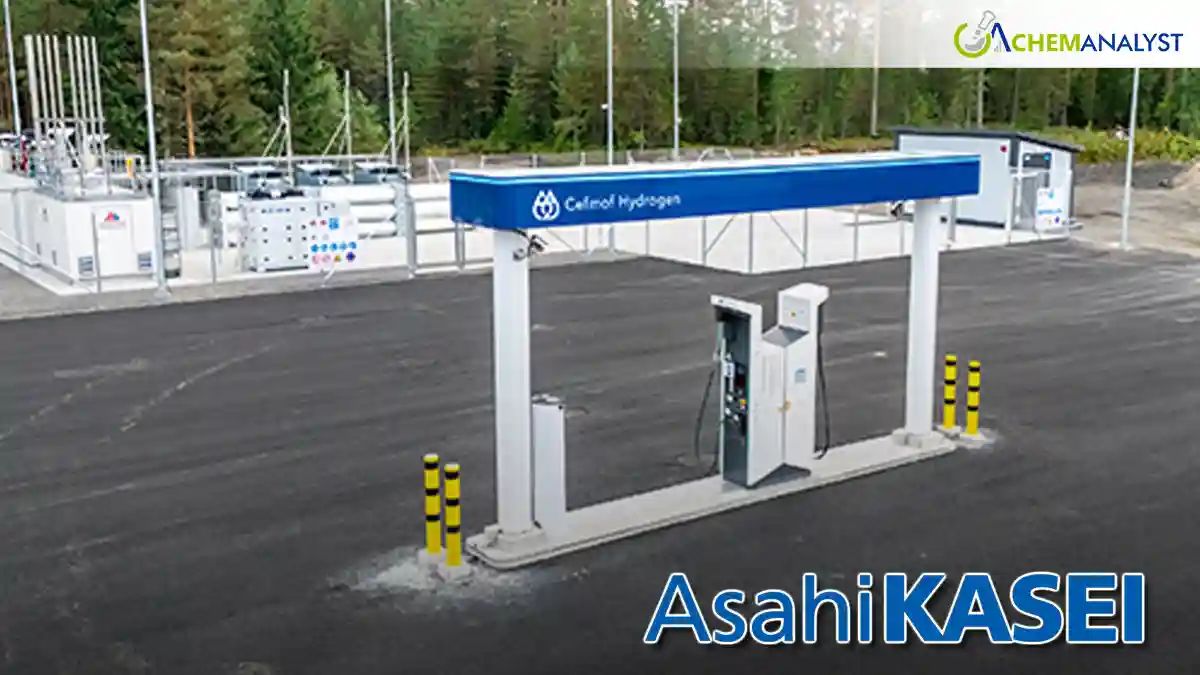
Asahi Kasei, a diversified global technology and materials company, has commenced the installation of its Aqualyzer™-C3 containerized 1 MW-class alkaline water electrolyzer at Finland’s first commercial hydrogen refueling station located in Jyväskylä, Finland. The installation marks the beginning of the next implementation phase of the hydrogen infrastructure project and represents a significant step forward in strengthening Europe’s growing hydrogen ecosystem.
The initiative follows an announcement made in July 2025 when Asahi Kasei confirmed that it would supply the Aqualyzer™-C3 system to the Central Finland Mobility Foundation (Cefmof). Through the hydrogen generated by this electrolyzer, Cefmof intends to expand the region’s hydrogen-powered mobility network. The project aims to support transportation powered by hydrogen technologies, including fuel cell vehicles and hydrogen-powered buses, while simultaneously demonstrating the feasibility of hydrogen energy systems in cold-climate environments.
Hydrogen generated at the station will be used to fuel local zero-emission transport solutions, strengthening Central Finland’s efforts to develop a sustainable mobility ecosystem. The project is also expected to serve as a practical reference model for other regions seeking to deploy hydrogen infrastructure in challenging weather conditions, particularly those with long winters and fluctuating renewable energy supplies.
The electrolyzer system will be operated by Cefmof Hydrogen, a wholly owned subsidiary of the Central Finland Mobility Foundation. Commercial operations at the site are scheduled to begin during the summer of 2026. Once operational, the electrolyzer will have the capacity to produce approximately 400 kilograms of hydrogen per day, which is sufficient to refuel around three fuel cell vehicles per hour. This production capability will help establish a reliable local hydrogen supply for emerging hydrogen mobility initiatives in the region.
Kenji Takeda, Executive Officer responsible for Business Development within Asahi Kasei’s Green Solution Project, highlighted the importance of the milestone. According to Takeda, the installation of the hydrogen production facility in Jyväskylä signals the transition from planning to real implementation. He emphasized that the project contributes to the company’s broader decarbonization strategy while simultaneously supporting the growth of the hydrogen economy in Central Finland. Takeda also noted that the initiative provides an important opportunity to demonstrate the reliability, scalability, and operational efficiency of Asahi Kasei’s advanced water electrolysis technology.
Lauri Perämäki, Deputy Member of the Board at Cefmof Hydrogen Ltd., also stressed the importance of the project for the Finnish hydrogen sector. He pointed out that only a limited number of hydrogen production facilities are currently operational in Finland. As a result, Cefmof Hydrogen is among the first operators in the country to deploy a containerized alkaline water electrolysis system of this scale, marking a notable advancement in the nation’s hydrogen infrastructure.
Asahi Kasei’s expertise in hydrogen production is built upon more than five decades of experience in large-scale industrial chlor-alkali electrolysis technology. Leveraging this background, the company is applying its materials science and system engineering knowledge to develop efficient hydrogen generation systems. Its strategy involves a multi-modular configuration, where multiple 10 MW-class Aqualyzer™ pressurized alkaline water electrolyzers can be interconnected to support large-scale hydrogen production facilities.
The company has already tested the performance of its electrolysis technology through pilot projects conducted in Fukushima and Kawasaki, Japan. These demonstration projects confirmed the system’s reliability and efficiency, particularly under real-world operating conditions where renewable energy inputs can fluctuate significantly.
To further broaden its hydrogen technology portfolio, Asahi Kasei introduced Aqualyzer™-C3 electrolyzers ranging from 1 MW to 7.5 MW capacity in 2024. This expansion allows the company to serve a wide spectrum of hydrogen projects, addressing demand from smaller distributed installations to large-scale industrial hydrogen production systems.








 About ChemAnalyst
Leave a Comment
Comments (0)