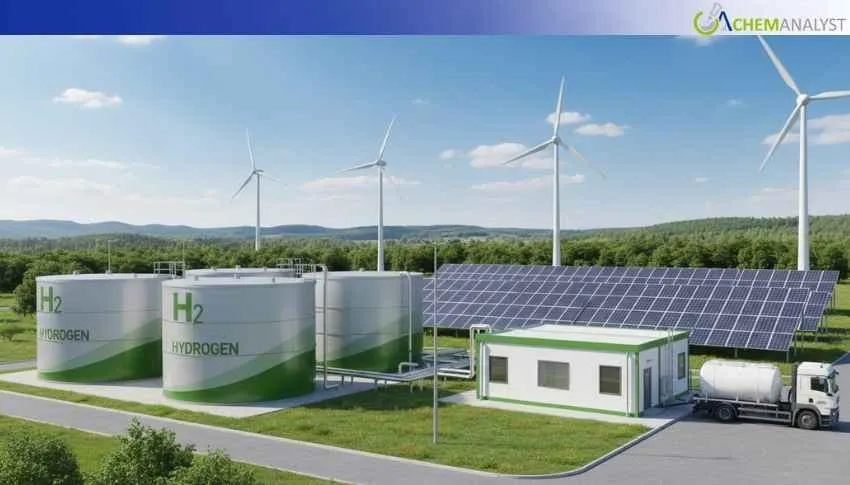
As the global energy transition accelerates toward the middle of the decade, hydrogen is emerging as a serious contender in the renewable energy mix, alongside established technologies such as solar and wind. Although hydrogen is the most abundant element in the universe and a fundamental component of life, its role in large-scale clean energy systems has historically been limited. High costs, technological barriers, and underdeveloped infrastructure have slowed adoption. However, this situation is now beginning to change, particularly in Asia.
Aslan Energy Capital has announced plans to reach a Final Investment Decision (FID) in 2026 for a major hydrogen project in Indonesia. The move signals a significant commitment to hydrogen development and reflects growing confidence in the sector’s commercial potential. If successful, the project could position Indonesia as a key regional hub for clean hydrogen production while supporting the country’s broader renewable energy and decarbonization goals.
At the center of this initiative is the Hidrogen Energi Mitra Utama (HEMU) project, which represents one of the most ambitious hydrogen developments planned in the region. The project is designed to combine large-scale renewable power generation with advanced hydrogen production technology. According to current plans, HEMU will include 600 megawatts of electrolysis capacity, supplied by a dedicated solar facility capable of producing approximately 1,200 megawatt-hours of electricity. This integration is intended to ensure that hydrogen production is firmly rooted in renewable energy rather than fossil fuels.
Aslan Energy Capital plans to initiate a front-end engineering and design (FEED) tender for the HEMU facility near Batam, an industrial and logistics hub in western Indonesia. The company has set 2026 as its target year for the FID, a milestone that would confirm financial backing and allow construction activities to move forward. With operational experience across multiple energy markets worldwide, Aslan Energy aims to leverage its global expertise while adapting to Indonesia’s local regulatory and energy landscape.
One of the key challenges facing hydrogen projects worldwide has been economic viability. High costs associated with electrolyzers, energy storage, and transportation have made many proposed developments difficult to scale. Hydrogen storage and long-distance transport, in particular, often represent a significant portion of total project costs. Aslan Energy believes the HEMU project can overcome some of these barriers through strategic location and technology choices.
The project will incorporate utility-scale solar farms, alkaline electrolyzers, and energy storage systems that enable hydrogen production to continue during nighttime hours. Its proximity—approximately 40 kilometers—to Singapore is expected to substantially reduce transportation and logistics costs, while also opening access to a nearby market with strong interest in low-carbon energy imports.
Aslan Energy’s leadership has emphasized that many hydrogen ventures fail because storage and transport economics are not carefully addressed. By contrast, HEMU’s location and integrated design aim to improve commercial feasibility from the outset.
More broadly, developments such as HEMU highlight the growing momentum behind hydrogen in Asia. Rising regional demand for clean energy, combined with supportive investment environments, could enable countries like Indonesia to become major suppliers of low-carbon fuels. International signals also point to increasing confidence in hydrogen, with regions such as the European Union advancing policies and funding mechanisms to accelerate hydrogen deployment in other parts of the world.
While hydrogen has faced years of slow progress, projects like Hidrogen Energi Mitra Utama suggest that the sector may be approaching a turning point. With strategic investment decisions planned for 2026, hydrogen could soon play a far more prominent role in the global renewable energy transition.







Leave a Comment
Comments (0)