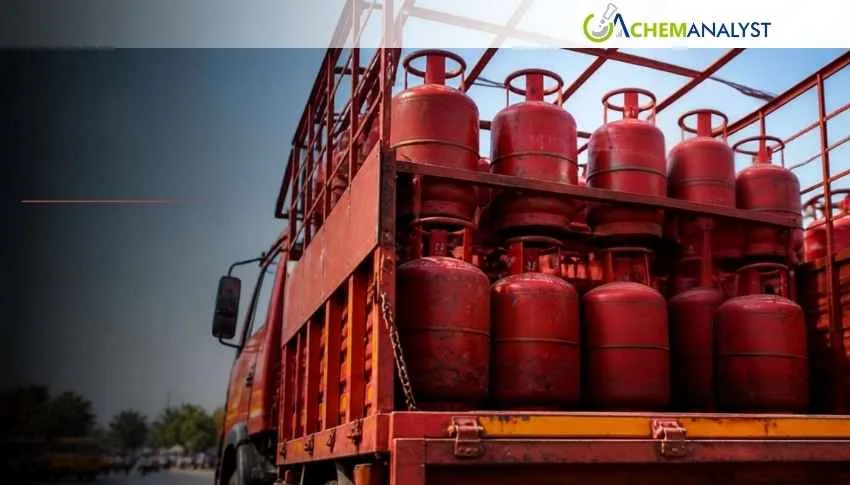
The Bangladeshi government has approved a plan to provide subsidized Liquefied Petroleum Gas (LPG) cylinders to low-income households in rural and marginalized areas. This initiative aims to improve access to clean energy, reduce reliance on traditional cooking fuels, and protect public health. The policy decision was made at a meeting on July 9, 2026, chaired by Prime Minister Tarique Rahman.
Millions of rural households in Bangladesh currently depend on biomass fuels such as firewood, crop residue, and cow dung for cooking. This reliance contributes significantly to deforestation and exposes women and children to harmful indoor air pollution, leading to serious respiratory diseases. While some affluent rural families have transitioned to LPG, its high cost makes consistent use unaffordable for many. The government seeks to address this by making cleaner cooking fuel more accessible and affordable. Energy and Mineral Resources Division (EMRD) Secretary Mohammad Saiful Islam noted that the "Grihini LPG Card" is designed to help families cope with rising energy costs and Bangladesh's growing natural gas shortage.
The Ministry of Power, Energy, and Mineral Resources is now formulating the rollout strategy for this program. The government is considering an "LPG Card" system for targeted distribution, similar to India's successful Direct Benefit Transfer (DBT) scheme, which transfers subsidies directly to beneficiaries' bank accounts. This approach helps minimize corruption and ensures support reaches genuine recipients. Energy experts, like Shafiqul Alam from IEEFA, emphasize the need for an accurate database to identify beneficiaries and a robust monitoring system to prevent the diversion of subsidized cylinders to the black market. The plan may also involve a joint venture with private companies for distribution. The government plans to provide a monthly incentive of Tk 1,000 through each subsidy card.
The subsidized LPG program is expected to have several positive impacts. Economically, it will provide significant relief to low-income families struggling with high fuel costs. Environmentally, it will reduce deforestation and indoor air pollution, thereby improving public health. Socially, the initiative aims to enhance living standards for rural families, particularly benefiting women and children by reducing the drudgery and health risks associated with collecting and burning traditional fuels.
From an industry perspective, the program will likely increase demand for LPG, potentially benefiting importers and distributors. However, it also presents a financial burden for the government due to the subsidies. Bangladesh currently imports most of its LPG, making the market susceptible to international price fluctuations. The government is also considering entering the LPG import market through the public sector to strengthen supply security and reduce the dominance of private importers.
Impact on Product & Chemical Commodity Prices
The subsidized LPG initiative is expected to significantly increase Bangladesh’s consumption of LPG cylinders, regulators, valves, and related distribution infrastructure while encouraging higher LPG imports and investments in storage and logistics. The program will strengthen demand for propane and butane, the primary components of LPG, benefiting importers, distributors, and cylinder manufacturers. For chemical markets tracked by ChemAnalyst, stronger LPG consumption may support firmer prices for propane and butane due to higher regional demand, particularly if imports tighten supply. However, the direct impact on downstream petrochemicals is expected to remain limited, as the policy primarily targets household cooking fuel rather than industrial feedstock consumption.








 About ChemAnalyst
Leave a Comment
Comments (0)