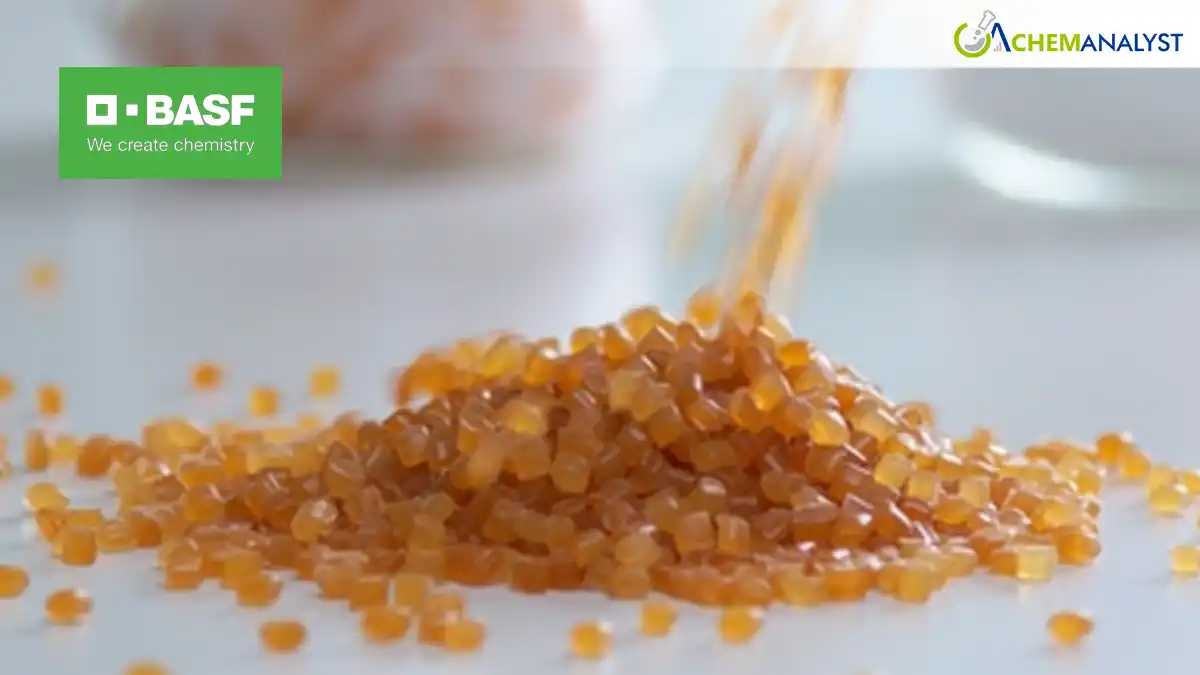
BASF is reinforcing its position as a global leader in plastic additive technologies by expanding its production capacities for both conventional hindered amine light stabilizers (HALS) and its advanced NOR® HALS product line. This strategic move is designed to meet the rapidly increasing global demand for high-performance plastic materials while ensuring a consistent and reliable supply of innovative, future-ready solutions. As industries worldwide face evolving environmental and performance challenges, BASF’s investment reflects its commitment to staying ahead of market needs and supporting long-term growth.
The company’s NOR HALS technology platform plays a critical role in addressing major global megatrends affecting plastic applications. These include rising levels of ultraviolet (UV) radiation, more unpredictable and extreme weather patterns, and tightening environmental regulations across regions. Such factors are intensifying the need for plastic materials that can offer enhanced durability, extended service life, and improved sustainability profiles. By increasing production capacity, BASF aims to provide customers with advanced stabilization solutions that not only improve product performance but also contribute to sustainability goals. According to Joerg Bentlage, Head of Global Product Management for Plastic Additives at BASF, this expansion strengthens supply reliability while positioning the company to meet continued market growth and customer expectations.
A key area of focus for BASF’s expanded HALS and NOR HALS offerings is the agricultural plastics sector, particularly in China, which represents the largest plasticulture market globally. As climate conditions become more severe and sustainability requirements intensify, farmers are increasingly seeking agricultural films that combine durability, efficiency, and environmental responsibility. Modern agricultural films must endure prolonged exposure to intense sunlight and high temperatures, while also resisting degradation from agrochemicals and mechanical stress associated with thinner film designs.
BASF’s NOR HALS technology delivers exceptional resistance to these challenging conditions. It protects materials against high UV exposure, elevated temperatures, and sulfur-based substances that create acidic microenvironments. Additionally, it provides resilience against harsh pesticides, ensuring that agricultural films maintain both their structural strength and optical clarity over extended periods. This durability supports reliable multi-season usage, reducing the need for frequent replacement and thereby lowering labor requirements and material waste.
These benefits are particularly valuable in China, where various types of agricultural films—such as greenhouse, mulch, tunnel, silage, and balewrap films—are essential for maintaining food production across diverse climatic regions. BASF’s technology enhances film longevity even under intense sunlight and acidic conditions, while also minimizing plastic accumulation in soil through improved recollection and reduced breakage. By preserving optical clarity, the films enable consistent light transmission, which is crucial for maximizing crop yields in greenhouse farming. At the same time, reduced material usage and longer product lifecycles align with China’s sustainability objectives and reinforce its leadership in plasticulture practices.
In addition to performance improvements, BASF is also prioritizing safety and efficiency in manufacturing processes. Its NOR HALS solutions are available in attrition-resistant (AR) forms, which significantly reduce dust generation during handling and processing. This innovation creates cleaner working environments, enhances operational safety, and simplifies dosing and masterbatch production. Furthermore, the ability to produce thinner yet durable films allows manufacturers to lower raw material consumption without compromising performance, contributing to both economic and environmental benefits.








 About ChemAnalyst
Leave a Comment
Comments (0)