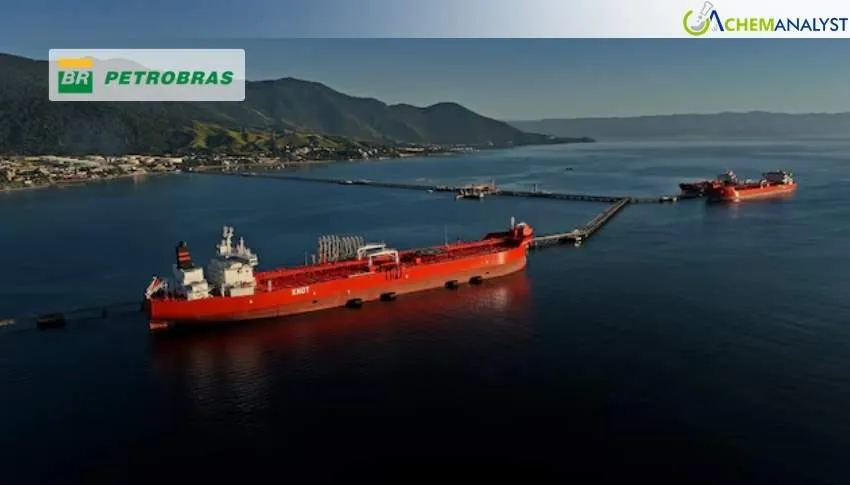
A significant shift in Brazil's fuel market has emerged, with direct diesel sales by producers to large consumers experiencing a sharp increase in the first quarter of 2026. This surge, primarily driven by a landmark deal between state-owned oil giant Petrobras and mining behemoth Vale, has ignited strong opposition from national fuel distributors who cite "severe competitive asymmetry".
The core event is the dramatic rise in direct sales of diesel B (which includes the mandatory biodiesel blend), jumping from 1.1 million liters in the fourth quarter of 2025 to 22.39 million liters in the first quarter of 2026. This escalation directly followed Petrobras' announcement on January 5, 2026, of a contract to supply S10 diesel, containing a 15% biodiesel blend, to Vale's extensive operations in Minas Gerais. Notably, Minas Gerais alone accounted for nearly 90% of these declared direct sales during the first quarter, totaling 19.49 million liters.
The primary cause of contention stems from the regulatory framework of Brazil's federal RenovaBio decarbonization program. The National Union of Fuel and Lubricant Distributors (Sindicom) argues that producers engaging in direct sales are not obligated to acquire decarbonization credits (CBios), a requirement strictly imposed on distributors for their sales of fossil fuels. This exemption grants producers a substantial cost advantage, thereby distorting market competition. Sindicom has formally appealed to the National Agency of Petroleum, Natural Gas and Biofuels (ANP), even suggesting a precautionary suspension of direct sales until competitive parity can be achieved.
For Petrobras, this strategy represents an effort to re-establish direct relationships with end consumers, a connection it largely lost after divesting its stake in BR Distribuidora (now Vibra Energia). This direct engagement allows the company to better understand customer needs and develop tailored solutions, including those focused on decarbonization. The agreement with Vale, for example, explores opportunities for low-carbon products such as R Diesel and Hydrotreated Vegetable Oil (HVO), aligning with the environmental objectives of both companies.
The economic and industry-specific impacts are considerable. The surge in direct sales poses a direct threat to the market share and profitability of traditional fuel distributors, who bear higher operating costs due to their RenovaBio obligations. This creates an uneven playing field, potentially leading to market consolidation and significant structural changes within Brazil's fuel distribution sector. Furthermore, the Brazilian fuel market has recently grappled with Petrobras selling diesel at a notable discount to international prices, contributing to supply tensions and necessitating government subsidies for imported diesel. The direct sales issue further complicates this already volatile and highly regulated environment, placing additional pressure on distributors already navigating fluctuating global and domestic pricing landscapes. The long-term consequences could see a fundamental reshaping of Brazil's fuel supply chain, prompting a re-evaluation of the RenovaBio program to ensure equitable competition and effective environmental outcomes.







Leave a Comment
Comments (0)