Chilean renewable energy developer Consorcio Austral has taken a significant step toward advancing its large-scale green hydrogen ambitions by submitting the Environmental Impact Statement (EIS) for its proposed Acuario Project, a green hydrogen and ammonia production facility planned for the Magallanes Province in southern Chile. The project represents an estimated investment of $4.7 billion and is expected to begin construction in 2029, subject to obtaining the necessary environmental approvals and regulatory clearances.
The Acuario Project is designed to establish an integrated renewable energy and hydrogen production complex capable of manufacturing approximately one million tonnes of green ammonia annually. The green ammonia produced at the site is expected to be exported to international markets where it can be utilized across several sectors, including industrial manufacturing, transportation, power generation, and chemical production. In addition to serving as a low-carbon fuel and feedstock, green ammonia is increasingly recognized as an efficient carrier for transporting green hydrogen over long distances.
As part of the environmental permitting process, the company has submitted a comprehensive Environmental Impact Statement evaluating the potential environmental and social implications of the project. The assessment focuses on several critical areas, including the protection of bird populations and local wildlife, potential impacts on nearby communities, and the preservation of archaeological and cultural heritage sites that may be affected during construction and project development. These studies are intended to ensure that the project aligns with Chile's environmental regulations while minimizing ecological and social impacts.
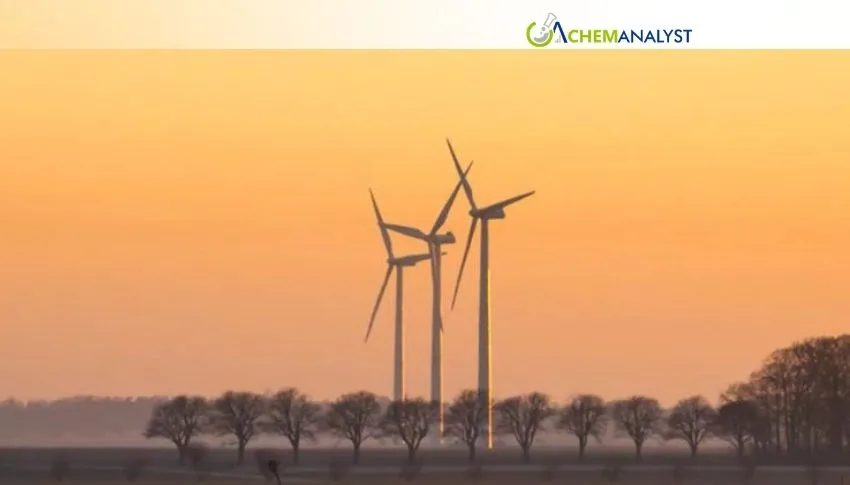
According to the project proposal, the facility will be powered primarily by renewable wind energy. Plans include the installation of approximately 1.73 GW of wind generation capacity, supported by an underground 220-kilovolt transmission line to deliver electricity across the site. The project will also incorporate a battery energy storage system to improve operational stability and maximize renewable energy utilization.
To support hydrogen production, the development will include a seawater desalination plant to secure a sustainable water supply, followed by electrolysis units capable of producing around 240,000 tonnes of green hydrogen annually. Nitrogen required for ammonia production will be generated through an air separation unit before both hydrogen and nitrogen are combined using the Haber-Bosch process, the globally established industrial method for manufacturing ammonia. While the overall production pathway has been outlined, the developer has not yet disclosed the individual capacities of the various processing units planned for the complex.
Beyond the Acuario Project, Consorcio Austral has outlined plans for another large-scale renewable hydrogen initiative known as the Sagitario Project. This future development is expected to involve a comparable level of investment and production capacity while following a similar renewable-powered hydrogen and ammonia production model. Construction of the Sagitario Project is currently anticipated to begin around 2031, further expanding the company's presence in Chile's emerging green hydrogen sector.
Consorcio Austral operates as a subsidiary of Consorcio Eólico, a Chilean wind energy developer with an existing portfolio of approximately 430 MW of installed wind capacity in southern Chile and an additional 9.3 GW of renewable energy projects currently under development. This extensive pipeline provides a strong renewable energy foundation to support future green hydrogen production.
Chile continues to strengthen its position as one of the world's most promising locations for renewable hydrogen production, benefiting from abundant wind resources in the south and exceptional solar potential in the north. The country has increasingly focused on developing export-oriented green hydrogen, green ammonia, and synthetic fuel industries. Earlier this year, Chile adjusted its national hydrogen strategy, shifting from an earlier objective of achieving 25 GW of annual domestic production capacity toward a more market-driven export strategy. Under the revised approach, the country aims to export between 300,000 and 700,000 tonnes of green hydrogen annually by 2035, reflecting growing international demand for low-carbon fuels and energy carriers.
Impact on Product and Chemical Commodity Prices
The Acuario Project is expected to strengthen the long-term supply outlook for green hydrogen and green ammonia, supporting their wider adoption in fertilizer production, clean fuels, power generation, and industrial decarbonization. However, since construction is planned for 2029, the project will have no immediate impact on global supply or pricing. In the near term, prices of green hydrogen and green ammonia tracked by ChemAnalyst are expected to remain largely influenced by renewable electricity costs, project commissioning timelines, policy incentives, and global demand. Over the longer term, additional production capacity from Chile could improve supply availability and exert downward pressure on prices.








 About ChemAnalyst
Leave a Comment
Comments (0)