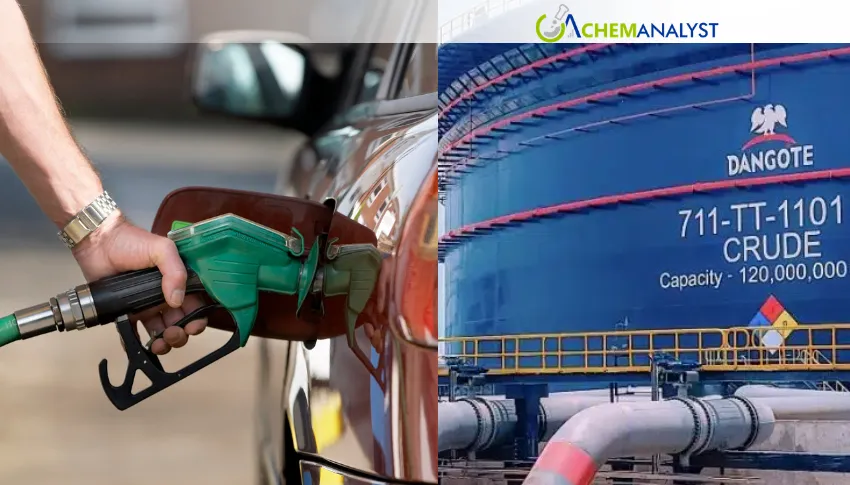
On Wednesday, July 9, 2026, the Dangote Petroleum Refinery reduced its ex-depot price for Premium Motor Spirit (PMS), commonly known as petrol, by ?1 per litre. This adjustment lowered Dangote's loading price from ?1,076 to ?1,075 per litre. MRS Oil Nigeria also implemented a price cut, reducing its petrol depot price by ?2 per litre, making it one of Lagos's most affordable suppliers. This move reflects a broader trend of price reductions initiated by Dangote and other marketers in recent months.
Dangote's decision to cut petrol prices stems from a strategic pricing approach that considers actual production economics and inventory costs. The refinery processes crude oil purchased weeks or months in advance, meaning its pump prices do not always immediately mirror daily international crude oil price fluctuations. The company aims to pass lower production costs to Nigerian consumers and absorb a significant portion of recent crude oil cost increases, which helps stabilize domestic fuel prices.
Additionally, the Federal Government has pressured marketers to ensure fair pricing in a deregulated market, contributing to the downward adjustments. Increased competition among marketers and improved product availability in the downstream sector also play a role in these price reductions. Dangote has cumulatively reduced its petrol ex-depot price by over ?200 per litre since May 30, 2026.
While petrol prices saw reductions, the market experienced a contrasting trend for Automotive Gas Oil (AGO), or diesel. On July 9, 2026, diesel prices generally increased across several petroleum depots in Lagos. For instance, African Terminal, Duport, Ibachem, Ibeto, and T-Time all raised their diesel prices by ?40 per litre, reaching ?1,450 per litre. This occurred despite a sharp surge in global crude oil prices, with Brent crude nearing $80 per barrel, raising concerns about potential future increases in petroleum product prices.
The ongoing price reductions by Dangote and other marketers are expected to intensify competition within Nigeria's downstream petroleum sector. These cuts could lead to lower pump prices at filling stations, especially for those sourcing products directly from the Dangote refinery. The refinery's ability to supply volumes sufficient for national demand strengthens Nigeria's energy security, reduces reliance on imports, and helps conserve foreign exchange. This domestic refining capacity also contributes to greater price stability for consumers and businesses.
Furthermore, the Independent Petroleum Marketers Association of Nigeria (IPMAN) anticipates petrol prices could drop below ?800 per litre as independent marketers begin purchasing directly from the Dangote Refinery. To enhance market access and streamline distribution nationwide, Dangote has also suspended its 20-member consortium arrangement, opening product loading to all qualified marketers.
Impact on Product and Chemical Commodity Prices
Dangote Refinery's latest reduction in petrol (PMS) ex-depot prices is expected to strengthen Nigeria's domestic fuel market by enhancing affordability, increasing competition among fuel marketers, and reducing dependence on imported gasoline. Greater refinery utilization and direct product sales to independent marketers could improve nationwide fuel availability and logistics efficiency. However, the simultaneous rise in diesel (AGO) prices indicates continued cost pressures in freight, industrial operations, and commercial transportation.
For commodities tracked by ChemAnalyst, the immediate impact is expected to be slightly bearish for gasoline (petrol) prices within Nigeria due to increased domestic supply and competitive pricing. Lower petrol costs may also reduce transportation expenses for downstream chemical distribution over time. Conversely, diesel prices are likely to remain firm or trend upward because of elevated global crude oil prices and stronger industrial demand. Overall, regional refined petroleum product markets may experience mixed pricing, with petrol softening modestly while diesel and other middle distillates remain supported by higher feedstock costs and international crude market strength.







 About ChemAnalyst
Leave a Comment
Comments (0)