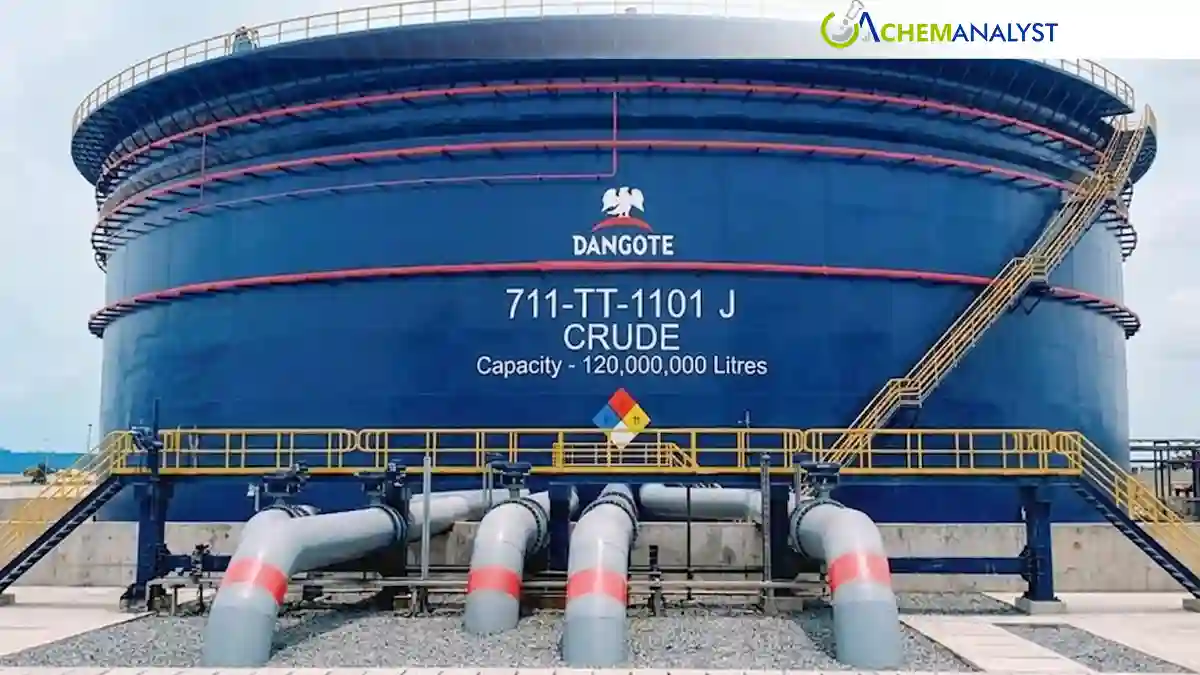
The Dangote Petroleum Refinery has transitioned to pricing its refined products, including petrol, diesel, and aviation fuel, in United States dollars for domestic sales, effective July 13, 2026. This significant shift ends the previous naira-denominated payment system, which began on October 1, 2024, for crude oil transactions. The move aims to align the refinery's commercial operations with the currency used to procure a substantial portion of its crude oil feedstock.
The primary reason for this change is the refinery's need for foreign exchange to import crude oil, particularly given Nigeria's ongoing foreign exchange scarcity. The Central Bank of Nigeria (CBN) has faced challenges in consistently meeting the refinery's dollar requirements. By pricing in dollars, the refinery seeks to ensure its operational sustainability and profitability, allowing it to recover its significant investment and maintain a stable supply of refined products. This strategy directly addresses the difficulties of operating a large-scale industrial project in an unstable currency environment.
This new pricing structure is expected to have notable economic and industry-specific impacts. For Nigerian consumers, the dollar-denominated pricing could lead to higher fuel costs in naira, especially if the naira continues to depreciate against the dollar. This may contribute to increased inflationary pressures across the economy, affecting the cost of transportation and the general cost of living. Independent marketers, who are crucial distributors, will now need to source dollars to purchase refined products from the refinery, potentially adding to their operational challenges and indirectly influencing retail prices. The change could also reshape pricing dynamics within Nigeria's deregulated downstream petroleum sector, where Dangote Refinery has become a major supplier.
The Dangote Refinery's decision highlights the severe foreign exchange challenges persisting in Nigeria. It underscores the complexities of achieving energy independence when domestic crude oil supplies or foreign exchange access remain inconsistent. While ensuring the refinery's financial viability, this move could also put additional pressure on the government's efforts to stabilize the naira. The potential for increased fuel prices may lead to a greater reliance on alternative power sources, such as generators, further straining household and business budgets.
Impact on ChemAnalyst-tracked chemical commodity prices
This move is likely to push up domestic prices of refined petroleum-linked chemicals in Nigeria—particularly gasoline, diesel, and jet fuel—as naira depreciation risk gets passed through dollar pricing. Downstream petrochemical feedstocks and derivatives sourced locally (e.g., for plastics, solvents, and fertilizers) may see cost pressure due to higher transportation and energy expenses. Regionally, this could tighten West African fuel supply dynamics, nudging import-dependent neighboring markets toward higher prices too. ChemAnalyst should monitor naira-dollar volatility, marketer margins, and potential demand destruction, which could offset some upward pressure if consumption slows amid affordability concerns.








 About ChemAnalyst
Leave a Comment
Comments (0)