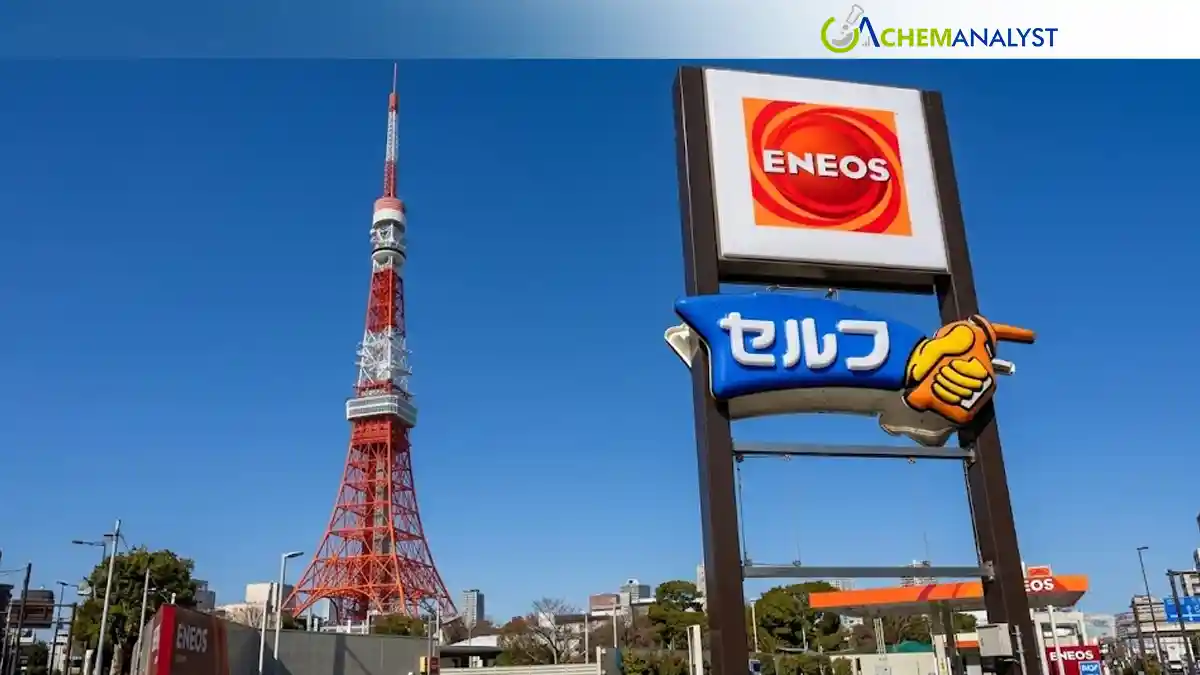
Japan’s largest refiner, Eneos Holdings, is pursuing an aggressive international expansion strategy as it seeks new growth opportunities beyond its shrinking domestic market. Backed by a strong cash position and facing declining fuel demand in Japan, the company is investing heavily in overseas assets to diversify revenue streams and strengthen its presence in global energy and petrochemical markets.
A key component of this strategy is Eneos’ acquisition of Chevron’s downstream assets across Asia and Australia in a deal valued at more than $2 billion. Announced in May, the transaction includes a 50% ownership stake in Singapore Refining Company, which operates a refinery with a processing capacity of 290,000 barrels per day. Through this acquisition, Eneos aims to benefit from rising fuel demand in Southeast Asia and Australia while expanding its supply, trading, marketing, and distribution capabilities across the region.
The company further advanced its international ambitions in August by announcing plans to acquire U.S.-based butadiene producer TPC Holdings for approximately 200 billion yen (around $1.25 billion). The acquisition is expected to elevate Eneos to the position of the world’s third-largest producer of butadiene, a critical feedstock used in the manufacture of synthetic rubber, plastics, and various industrial products.
Industry analysts view the Chevron transaction as an opportunity for Eneos to strengthen its asset-backed trading business. By increasing its refining, storage, and marketing footprint outside Japan, the company can enhance trading volumes and capture greater value from regional fuel flows. Competitor Idemitsu Kosan has demonstrated the profitability of this model, generating substantial earnings from trading activities linked to physical assets.
The Singapore refinery also offers strategic advantages. Unlike many Japanese facilities that depend heavily on Middle Eastern crude, the Singapore operation processes a broader range of crude grades. This flexibility could help Eneos diversify its crude sourcing strategy and reduce exposure to geopolitical risks affecting Middle Eastern supply routes.
The Chevron acquisition, expected to close during the second quarter of 2027, includes fuel and lubricant businesses operating under the Caltex brand in Singapore, Malaysia, the Philippines, Vietnam, Indonesia, and Australia. Eneos expects these assets to contribute approximately $250 million in annual operating profit by fiscal 2030.
The expansion aligns with a broader industry trend in which energy companies are redirecting investments toward conventional energy assets after several years of prioritizing decarbonization projects. Eneos’ earlier 200 billion yen investment in Japan Renewable Energy has yet to generate consistent profits, while refining margins have improved significantly amid global supply disruptions caused by geopolitical conflicts and attacks on energy infrastructure.
Impact on Products
The acquisitions are expected to strengthen Eneos’ refining, fuels, lubricants, and petrochemical product portfolio. Enhanced refining capacity and broader distribution networks across Asia-Pacific will improve fuel availability and market reach. The TPC acquisition will significantly expand Eneos’ butadiene production capabilities, supporting downstream industries such as synthetic rubber, tires, plastics, and automotive manufacturing. Increased operational flexibility and access to diversified crude sources may also improve supply reliability and profitability across its product segments.








 About ChemAnalyst
Leave a Comment
Comments (0)