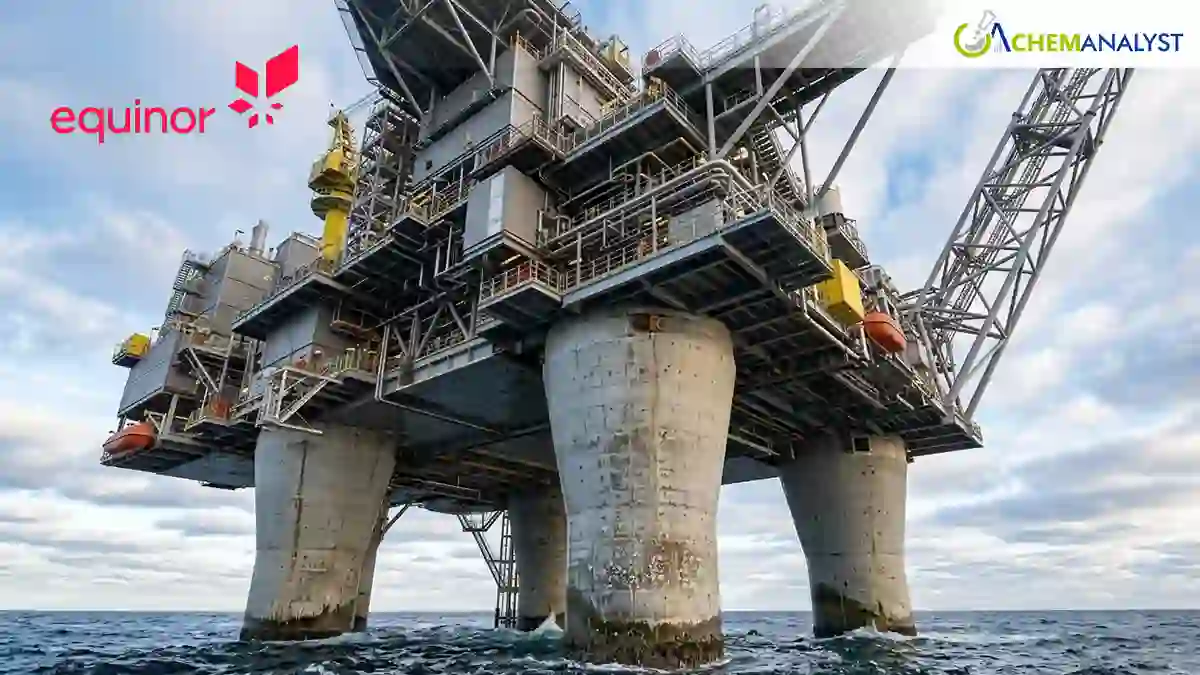
Norway's leading energy producer, Equinor, is initiating discussions with key European consumers, including Germany, to garner support for projects aimed at extracting oil and gas from more expensive wells. These talks underscore a significant shift in energy strategy driven by declining production in the North Sea and the volatile geopolitical landscape impacting global energy markets.
Equinor's motivation stems from an anticipated decline in its North Sea production over the next decade. To stabilize output, the company seeks to tap into previously uneconomical wells and pursue a longer-term objective of increasing drilling activities in the Arctic region. This strategy is further supported by a significant internal reorganization designed to expedite the development of smaller resource pools located near existing fields. The company is also actively lobbying the European Union to ease its resistance to Arctic exploration.
For European nations, these discussions come at a critical time, as consumers grapple with elevated oil and gas prices, exacerbated by ongoing conflicts in the Middle East. Germany, in particular, has grown increasingly reliant on Norway for its energy needs. Norway has become Germany's primary natural gas supplier, fulfilling nearly half of its import requirements and largely replacing the cheaper Russian gas supplies that ceased in 2022. Norway also stands as a top oil supplier to Germany.
The core of Equinor's discussions with European customers revolves around securing longer-term financial commitments. Such commitments are crucial to justify the substantial investments required for these higher-cost extraction projects. High-level government officials from Germany, the UK, Belgium, Poland, and the Netherlands are slated to attend an event in Oslo on May 18, hosted by gas pipeline operator Gassco, which will likely be a forum for these critical negotiations.
This initiative carries several notable impacts. From an industry perspective, it signals a potential extension of the operational lifespan for North Sea oil and gas fields and a strategic push into more challenging, frontier areas like the Arctic. This necessitates stable, long-term purchasing agreements from buyers to de-risk investments in these complex and costly extraction methods. Geopolitically, the move reinforces Europe's broader objective of enhancing energy security and reducing its historical dependence on external, often politically sensitive, energy sources, especially following the disruptions of 2022. Economically, the anticipated reliance on oil from costlier wells suggests that European consumers and industries may face persistently higher energy prices, a direct consequence of shifting away from previously cheaper supplies and navigating current market instabilities.







Leave a Comment
Comments (0)