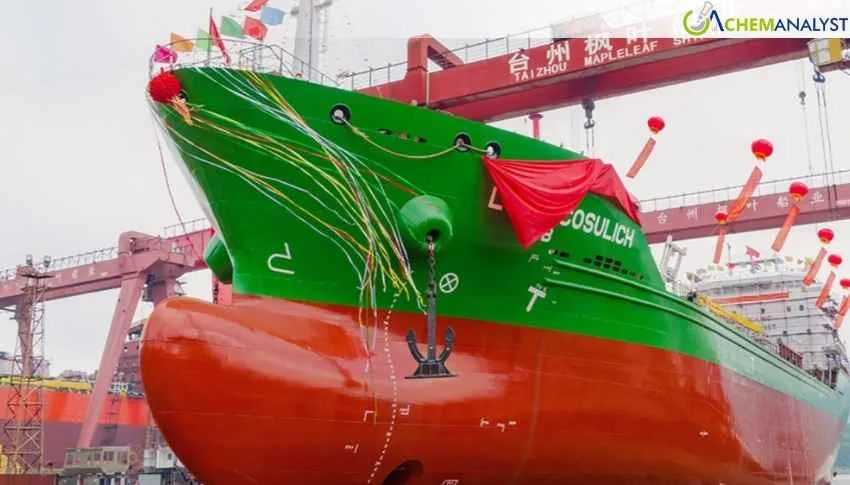
The vessel, a 7,999 DWT IMO Type II chemical bunker tanker, incorporates key design features such as phenolic epoxy cargo tank coating for enhanced chemical resistance and systems engineered for seamless integration of future fuels. It also includes an integrated Nitrogen Generator System and a comprehensive methanol bunkering setup, ensuring safe and efficient operations with low-flashpoint fuels. Ms. Lucia Cosulich, the vessel's Godmother, highlighted the collaborative effort behind this project, which supports the industry's journey towards net-zero emissions.
The adoption of methanol as a marine fuel represents a broader industry shift driven by decarbonization goals. Methanol is recognized as a clean and versatile fuel, capable of being produced from various feedstocks, including sustainable sources like green hydrogen combined with captured carbon dioxide, known as e-methanol. E-methanol offers a closed carbon cycle, meaning it only emits the CO2 it captures during production. Its environmental benefits are substantial, as it burns cleanly without producing sulfur oxides (SOx) and significantly reduces nitrogen oxides (NOx) and particulate matter compared to conventional marine fuels. Major shipping companies, such as Maersk, anticipate substantial annual CO2 emission reductions through the use of methanol-fueled vessels.
The shipping industry is rapidly embracing methanol, with a significant surge in orders for methanol-fueled vessels, exceeding 200 currently on order across various segments. This growing confidence is also propelling the development of methanol bunkering infrastructure globally. Economically, the capital investment for methanol-fueled newbuilds or retrofits can be lower than for other alternative fuels like LNG, due to simpler design requirements and the absence of costly pressurization or cryogenic tanks. However, e-methanol is currently more expensive than its fossil-based counterpart, primarily due to high renewable electricity costs and production inefficiencies. Supportive policies, including carbon pricing, lifecycle emissions standards, and green shipping corridors, are deemed essential to scale up e-methanol production and adoption.
Despite its advantages, methanol presents some challenges. Its lower energy density compared to heavy fuel oil (HFO) or marine gas oil (MGO) necessitates larger fuel tanks, which can impact vessel design and cargo capacity. Methanol's corrosive nature requires specialized coatings or stainless steel components, adding to costs. Furthermore, its low flashpoint and invisible flame pose safety risks, requiring stringent safety protocols and comprehensive crew training. Nevertheless, the launch of vessels like "Lucia Cosulich" signifies a robust industry-wide commitment to overcoming these challenges and advancing towards a more sustainable maritime future.







Leave a Comment
Comments (0)