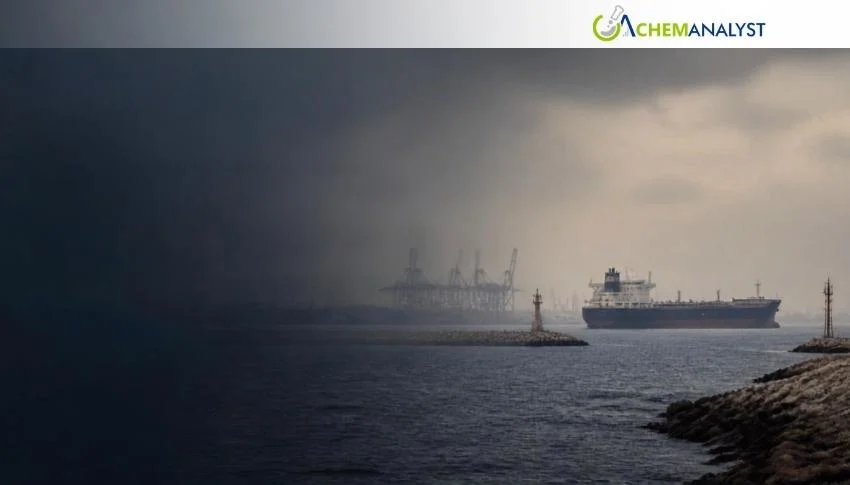
Fujairah, a crucial bunkering hub in the United Arab Emirates, experienced a significant decline in marine fuel sales in May, with volumes halving compared to the preceding months. This sharp drop reflects the severe disruption caused by escalating geopolitical tensions between the United States and Iran in the Gulf region. The instability has led to a major shift in global shipping patterns and increased operational costs for maritime trade.
The primary cause of the drastic reduction in Fujairah's bunker fuel sales was the heightened conflict between the US and Iran. This included military deployments by the US, such as an aircraft carrier strike group and bombers, in the Gulf region. Four tankers were attacked off the coast of Fujairah in May, further exacerbating fears among shipping companies. Two additional tanker attacks in the Gulf of Oman in June intensified these security concerns. These incidents, occurring near the critical Strait of Hormuz, a vital chokepoint for global oil transit, significantly increased the perceived risk for vessels operating in the area.
The economic fallout has been substantial, particularly for Fujairah's bunkering industry. The port's marine fuel sales in May totaled 3.07 million tonnes, a considerable decrease from 6.03 million tonnes in April and 6.13 million tonnes in March. This decline forced many vessels to avoid Fujairah, diverting instead to alternative bunkering hubs like Singapore or Rotterdam. Consequently, insurance premiums for ships navigating the Gulf region surged, making it more expensive for vessels to call at Fujairah. Shipping companies now face higher operational costs due to longer routes and increased insurance expenses. This shift in demand has led to a significant shortfall in marine fuel supply at Fujairah, impacting local suppliers and traders.
Beyond the immediate economic impact, the US-Iran tensions have significant geopolitical implications, raising concerns about the security of global oil supplies that pass through the Strait of Hormuz. The regional instability has disrupted established shipping routes and supply chains worldwide. The shift in bunker demand to other regions highlights the vulnerability of regional energy logistics hubs to geopolitical disruptions. If the conflict persists, it could lead to sustained higher shipping costs and potentially impact consumer prices globally. The situation also underscores the need for shipping companies to consider alternative bunkering strategies and potentially invest in vessels capable of running on diverse fuel types.
Impact of the News
The sharp decline in Fujairah's bunkering activity signals a broader restructuring of global shipping logistics, with vessels rerouting to alternative hubs like Singapore and Rotterdam to avoid Gulf security risks. Fujairah faces threats to supplier revenues, port utilization, and regional employment tied to bunkering operations, while shipping companies grapple with rising insurance premiums and longer voyage costs. This is expected to push up prices across chemical commodities dependent on Middle East feedstocks and marine fuel logistics, including naphtha, LPG, fuel oil, and polymers like PE and PP. Sustained tensions could further disrupt sulfur output, tightening supply and driving continued volatility across global chemical markets.








 About ChemAnalyst
Leave a Comment
Comments (0)