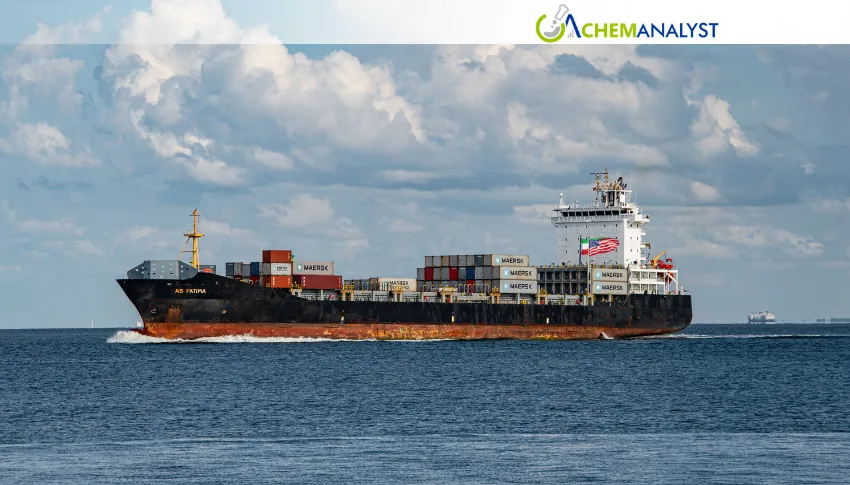
The Strait of Hormuz, a critical global chokepoint, saw its first liquefied natural gas (LNG) tanker transit on Monday, June 15, following a peace deal between the United States and Iran to reopen the strategic waterway. India's Petronet sent the LNG tanker Disha through the strait, marking a tentative step towards resuming normal shipping traffic that had been largely halted since a U.S.-Israeli war with Iran began on February 28.
The agreement, expected to be formally signed on June 19 in Switzerland, aims to end the conflict and lift the U.S. naval blockade of Iranian ports. This development led to an immediate drop in global oil prices by approximately 4-5% on Monday, reflecting market optimism about renewed energy flows. Prior to the deal, the conflict had severely disrupted shipping through the Strait, which accounts for roughly a fifth of the world's oil and LNG supply, as well as other vital commodities like aluminum and urea.
Despite the breakthrough, the shipping industry remains largely cautious. Only one LNG tanker passed through the strait on Monday, underscoring widespread wariness among shippers. Industry players, including the Japanese Shipowners' Association and Danish shipping giant Maersk, have welcomed the peace agreement but are awaiting more concrete details, particularly regarding mine clearance in the strait and official safety assurances, before fully resuming navigation.
The economic impact of the reopening is significant. While oil prices initially fell, physical freight rates are expected to remain elevated, and trading slow, until confidence in free passages builds over several weeks. An estimated 155 tankers were in the Mideast Gulf area as of June 15, down from 201 at the end of May, indicating the extent of the previous disruption. Experts suggest that under unrestricted navigation, the existing traffic pile-up could be resolved within 8-10 days. Shipowners have already positioned nearly 60 more Very Large Crude Carriers (VLCCs) than usual near the Strait in anticipation of renewed traffic.
Geopolitically, the deal signals a potential de-escalation in the region. The U.S.-Iran framework also has implications for Central Asian states, which have been seeking alternative trade routes since Russia's invasion of Ukraine in 2022. Iran offers one of the shortest paths to the Gulf, and a reopened Strait of Hormuz could facilitate these southern trade routes. However, the exact terms of the deal, including those concerning Iran's nuclear program and sanctions relief, are still being finalized, with a memorandum of understanding expected to be signed on Friday. Banks and insurers are also waiting for signed text, U.S. guidance, and proof of safety before fully engaging.
The reopening of the Strait of Hormuz is expected to have a positive long-term impact across the crude oil, chemical, and agricultural sectors by restoring a vital global trade route. In the crude market, improved oil and LNG flows may ease supply concerns, leading to lower and more stable energy prices, while increased tanker availability could gradually reduce transportation costs. For the chemical industry, cheaper crude oil and natural gas feedstocks are likely to lower production costs for petrochemicals, plastics, fertilizers, and industrial chemicals, improving global supply chain stability. The agricultural sector could also benefit from improved movement of essential commodities such as urea and other fertilizers through the region, potentially lowering fertilizer prices and supporting crop production. However, in the short term, freight rates, insurance costs, and shipping delays may remain elevated until maritime safety is fully assured and market confidence returns.


Leave a Comment
Comments (0)