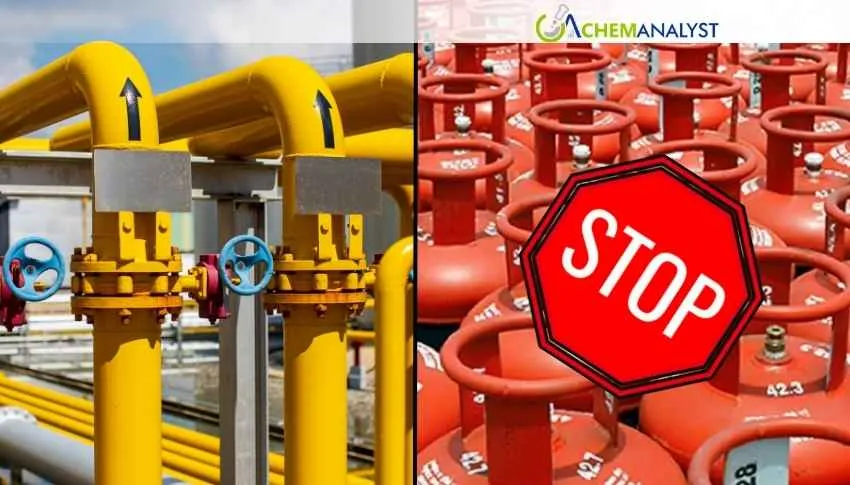
The Indian government has implemented stringent measures to conserve Liquefied Petroleum Gas (LPG) supplies, immediately barring households with Piped Natural Gas (PNG) connections from refilling LPG cylinders. This directive, formalized through a gazette notification, mandates that consumers transitioning to PNG must either surrender their LPG connection or obtain a transfer voucher within 30 days for future use in non-PNG areas. This move follows an earlier directive in March, which gave PNG consumers three months to discontinue their LPG connections.
The primary catalyst for these actions is the ongoing West Asia war and the subsequent blockade of the Strait of Hormuz, a critical maritime chokepoint that has severely disrupted India's energy imports. India is particularly vulnerable to these disruptions, as approximately 90% of its LPG imports previously originated from West Asia. The conflict, specifically involving US and Israeli attacks on Iran and Tehran's retaliatory actions, led to the closure of the Strait, impeding the flow of crucial energy cargoes.
The consequences of this geopolitical instability are far-reaching, impacting India's energy security and domestic economy. LPG supplies have been under significant pressure, with imports plummeting to an estimated 270,000 tonnes in the week of March 9, the lowest since April 2023. This scarcity led to a 7% increase in retail LPG prices earlier in March. In response, the government has diversified its LPG import sources, now looking to countries like the US, Canada, Norway, Algeria, and Russia, and engaging in discussions with Iran to ensure safe passage for tankers. Furthermore, refiners have been instructed to maximize output, resulting in a 28-30% boost in domestic LPG production. The government has also prioritized LPG allocation for domestic consumers over commercial and industrial users and extended the lock-in period for booking new cylinders.
Economically, the crisis has led to surging freight and insurance rates due to the risks associated with navigating the Strait of Hormuz. The government is also exploring an LPG stock mandate and has tasked Oil Marketing Companies (OMCs) with tightening LPG subsidy mechanisms using tax data. The Central Consumer Protection Authority (CCPA) has stepped in to prevent hotels and restaurants from levying additional "LPG charges" on customers, a practice that emerged due to commercial LPG shortages and price hikes.
From an industry-specific perspective, the shift aims to leverage the inherent resilience of PNG, which draws from a mix of domestic natural gas production (like the Krishna-Godavari basin) and diversified Liquefied Natural Gas (LNG) imports, making it less susceptible to immediate logistical shocks affecting seaborne LPG. The government is actively promoting PNG, streamlining the framework under the Essential Commodities Act to accelerate pipeline approvals and infrastructure development. The Ministry of Petroleum and Natural Gas has also provided flexibility for consumers who might relocate to areas without PNG infrastructure, allowing them to obtain transfer vouchers to restore their LPG connections. This comprehensive approach underscores India's efforts to navigate a challenging global energy landscape and ensure domestic cooking fuel availability.








 About ChemAnalyst
Leave a Comment
Comments (0)