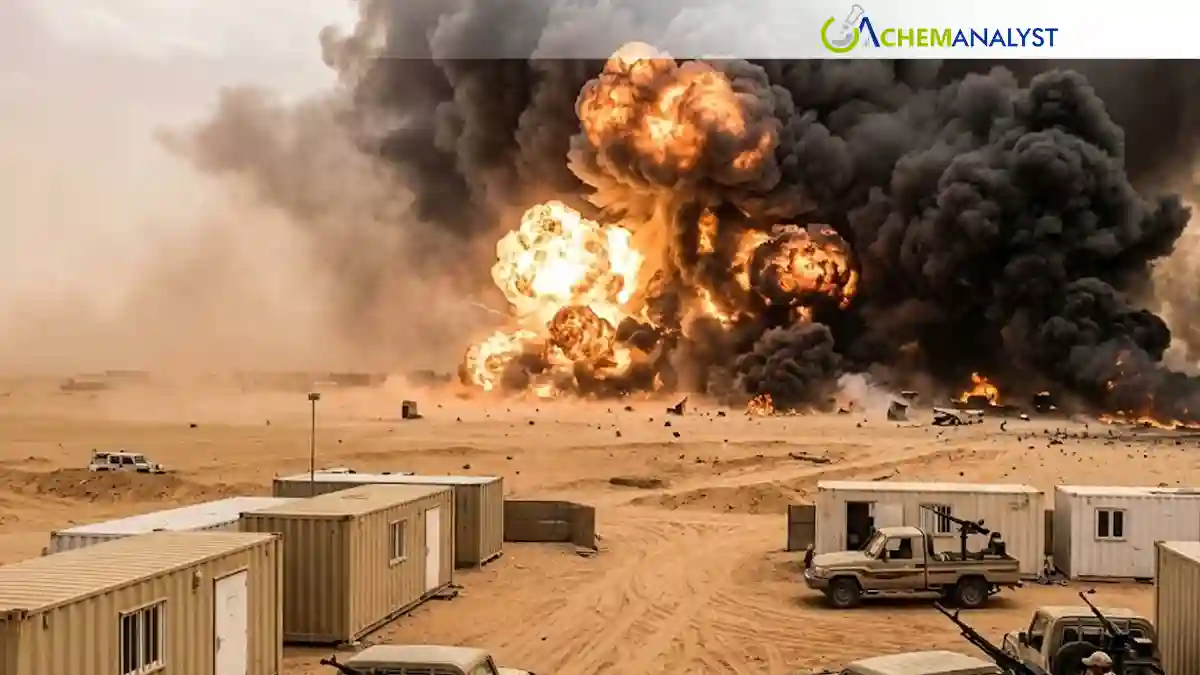
Houthi attacks have caused fires at several oil facilities and utility sites in Saudi Arabia’s southern region, leaving at least 73 people injured and prompting temporary operational suspensions at affected facilities. The attacks represent a significant escalation in tensions involving Saudi Arabia and Yemen’s Iran-backed Houthi movement.
Saudi authorities said the strikes targeted civilian and economic infrastructure in several cities. Maj. Gen. Turki al-Malki, spokesperson for the Saudi-led coalition operating in Yemen, confirmed that the attacks affected facilities considered important to the country’s civilian and economic activities. The incidents raised concerns over the safety and continuity of energy infrastructure in one of the world’s most important oil-producing regions.
Saudi Arabia’s Energy Ministry said operations at the impacted oil facilities and utilities were temporarily halted following the attacks. The suspension was intended to support emergency response efforts and protect personnel and infrastructure while authorities assessed the damage.
The latest incidents come amid a renewed confrontation between Saudi Arabia and the Houthi movement, increasing concerns about the potential impact on regional energy supplies. Saudi Arabia remains a major contributor to global crude oil production, making any disruption to its oil infrastructure particularly important for international energy markets.
The attacks also highlight the continuing vulnerability of energy facilities across the Middle East to geopolitical and security risks. Damage to production, processing, storage, transportation, or utility infrastructure could potentially restrict oil availability if disruptions persist or spread to additional facilities.
Although the immediate impact will depend on the extent of physical damage and the duration of the operational shutdowns, the attacks are likely to increase volatility across crude oil and energy markets. Traders may factor a higher geopolitical risk premium into crude prices as concerns grow over potential supply interruptions.
The incident could also influence markets for petroleum-derived chemicals because crude oil and refinery operations provide essential feedstocks for numerous petrochemical products. Any sustained disruption to Saudi energy infrastructure could tighten regional availability of refinery products and petrochemical feedstocks.
However, the overall market impact will depend on whether Saudi operators restore normal operations quickly. A short-lived shutdown may have a limited effect on global supply fundamentals, while prolonged outages could create stronger upward pressure on energy and chemical prices.
The attacks therefore add another layer of uncertainty to global energy markets, particularly if further strikes target strategic oil infrastructure or disrupt regional transportation routes.
Product impact:
The immediate product impact is most significant for crude oil and petroleum-derived feedstocks. Temporary shutdowns at Saudi oil facilities could reduce regional availability and increase supply-risk premiums. If operations resume quickly, the effect on crude and downstream products should remain limited. However, prolonged disruptions could push crude prices higher and raise feedstock costs for refineries and petrochemical producers. This could increase production costs for products such as ethylene, propylene, aromatics, polyethylene, polypropylene, methanol and other refinery-linked chemicals. Higher feedstock costs may eventually translate into stronger chemical prices, particularly in Asia and the Middle East, depending on inventory levels and alternative supply availability.








 About ChemAnalyst
Leave a Comment
Comments (0)