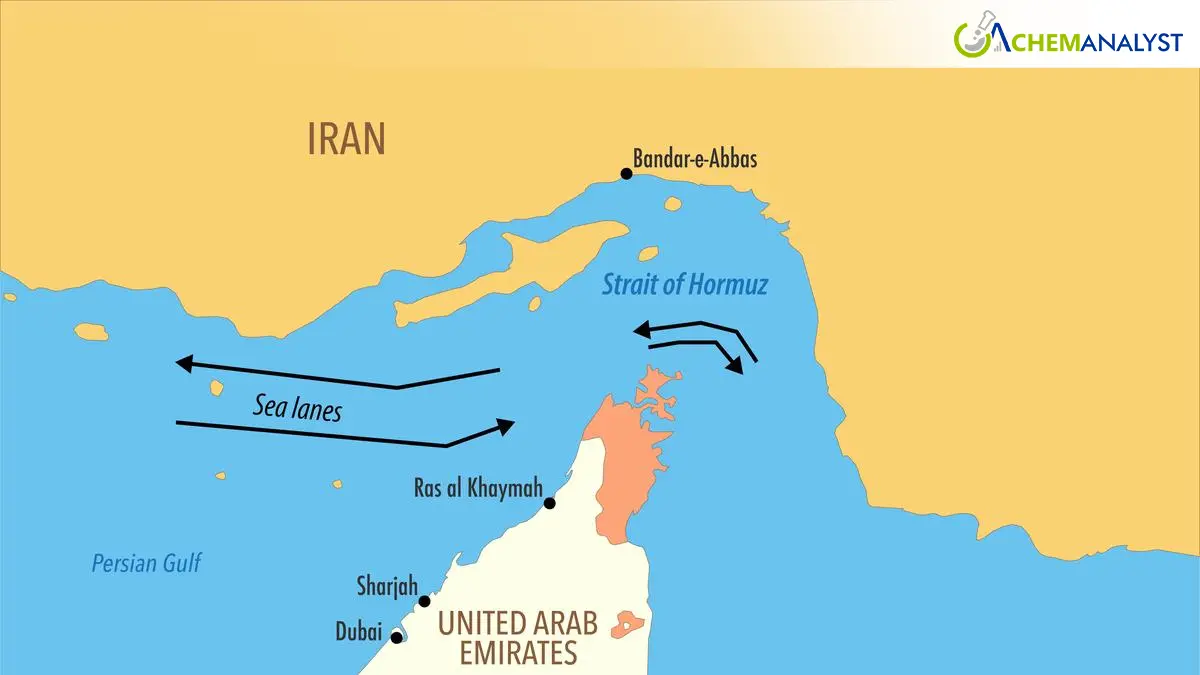
Iran has indicated that it will continue to allow select countries, including India, to use the strategically vital Strait of Hormuz for commercial shipping, even as tensions in West Asia disrupt global energy flows. According to Iran’s Foreign Minister, Seyed Abbas Araghchi, Tehran has extended transit permissions to what it describes as “friendly nations,” a group that includes India, China, Russia, Iraq, and Pakistan. This selective access comes amid heightened geopolitical strain and growing fears of a prolonged disruption in one of the world’s most critical maritime corridors.
The Strait of Hormuz, a narrow passage connecting the Persian Gulf with the Gulf of Oman, plays an essential role in global energy supply chains. It is estimated that nearly one-fifth of the world’s oil and liquefied natural gas shipments pass through this route. Any restriction or instability in this region inevitably leads to volatility in global energy markets. In recent weeks, prices of oil and gas have surged sharply, largely due to Iran’s effective restriction of the strait for vessels associated with countries it considers adversarial.
While Tehran has chosen to keep the route open for certain nations, it has simultaneously made it clear that ships linked to its rivals or their allies will not be granted passage. Araghchi emphasized that the region is currently in a state of conflict, describing it as a “war zone.” Under such conditions, Iran sees no justification for permitting the movement of vessels connected to hostile powers. However, it has stopped short of a complete shutdown, instead opting for a controlled and selective approach to maritime access.
This development has sparked widespread concern among global leaders and markets. The United States has reacted strongly, with former President Donald Trump warning Iran of serious repercussions if the waterway is not fully reopened to all international shipping. Washington’s stance underscores the broader geopolitical stakes, as any sustained disruption in the strait could have far-reaching consequences for global trade and energy security.
For India, the situation is particularly significant. West Asia remains one of its primary sources of crude oil and natural gas imports. Ensuring uninterrupted access to energy supplies is critical not only for economic stability but also for maintaining essential sectors such as transportation, manufacturing, and agriculture. Fertiliser production, which heavily depends on energy inputs, could also face disruptions if supply chains are affected.
Recognizing these risks, New Delhi has been actively engaging in diplomatic efforts aimed at de-escalating tensions in the region. India’s approach has focused on encouraging dialogue and ensuring that the Strait of Hormuz remains open and secure for commercial shipping. Policymakers are increasingly concerned that a prolonged blockade or selective restrictions could lead to severe consequences for fuel availability and pricing, as well as fertiliser supply chains, both domestically and globally.
In summary, while Iran’s decision to allow passage to certain countries offers limited relief, the broader uncertainty surrounding the Strait of Hormuz continues to pose a significant threat to global energy stability and trade.







Leave a Comment
Comments (0)