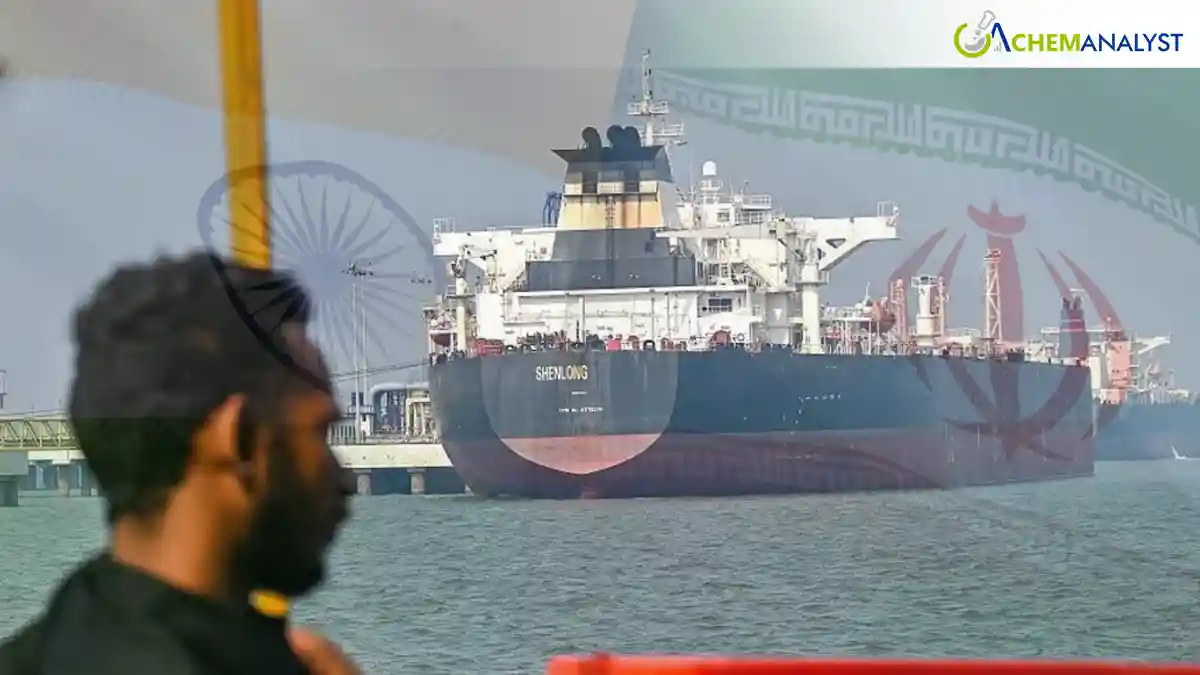
India is expressing cautious optimism that diplomatic engagement with Iran may help restore smoother passage for its ships through the strategically vital Strait of Hormuz. India’s External Affairs Minister, S. Jaishankar, recently indicated that ongoing discussions between New Delhi and Tehran are already showing early signs of progress in reducing disruptions to Indian shipping.
Speaking in an interview with the Financial Times, Jaishankar said that India has been actively communicating with Iranian authorities to address the challenges faced by Indian vessels attempting to navigate the narrow maritime corridor. According to him, these diplomatic efforts have begun to produce limited results, though he emphasized that a comprehensive arrangement guaranteeing passage for all Indian ships has not yet been secured.
Recent developments suggest that negotiations may be gradually easing tensions. Two Indian-flagged gas tankers successfully transited the Strait on Saturday after talks between Indian and Iranian officials made progress. However, the situation remains uncertain, with at least 22 additional Indian-flagged ships still awaiting permission to pass through the crucial waterway.
The disruption stems from the wider conflict in the Middle East that intensified after the United States and Israel launched extensive strikes on Iran on February 28. In response, Iran significantly restricted maritime movement through the Strait of Hormuz and has carried out retaliatory attacks targeting Israel and several U.S.-aligned countries in the Gulf region. These hostilities have not been limited to military assets and have reportedly affected commercial targets as well.
The Strait of Hormuz, located between Iran and Oman, connects the Persian Gulf to the Arabian Sea and is one of the world’s most critical energy transit routes. Roughly one-fifth of global oil and gas shipments pass through this narrow maritime corridor each day, making it a crucial artery for global energy markets.
For India, the importance of the Strait cannot be overstated. Approximately 40–50 percent of India’s crude oil imports travel through this route. In addition, nearly half of the country’s liquefied natural gas (LNG) imports and a significant share of its liquefied petroleum gas (LPG) shipments also rely on this passage. Any disruption therefore has direct implications for India’s domestic energy security and supply chains.
In recent days, the shipping bottleneck has begun to affect India’s internal energy supply, particularly cooking gas. Reports indicate that concerns over potential shortages have triggered panic-buying among households, while some restaurants have been forced to temporarily close due to limited LPG availability.
Despite these challenges, some international vessels have managed to navigate the strait after diplomatic engagement with Tehran. Reports suggest that ships linked to China have been allowed passage. Similarly, Turkey confirmed that one of its ships successfully crossed the strait following discussions with Iranian authorities.
Meanwhile, several European countries, including France and Italy, are also exploring diplomatic channels to ensure safe passage for their commercial vessels.
Jaishankar stated that India intends to continue engaging with Iran as long as the talks produce positive outcomes. He noted that the discussions remain ongoing and that New Delhi will persist with diplomatic efforts to secure passage for its ships.
Analysts believe India is carefully balancing its foreign policy during this crisis. The country maintains strong diplomatic relations with Israel and growing strategic cooperation with the United States, while also preserving long-standing economic and political ties with Iran.
Given its heavy reliance on energy imports from the Gulf region, India has consistently advocated for dialogue and de-escalation. The government has emphasized the need to protect commercial shipping routes and maintain stability in one of the world’s most important maritime energy corridors.






Leave a Comment
Comments (0)