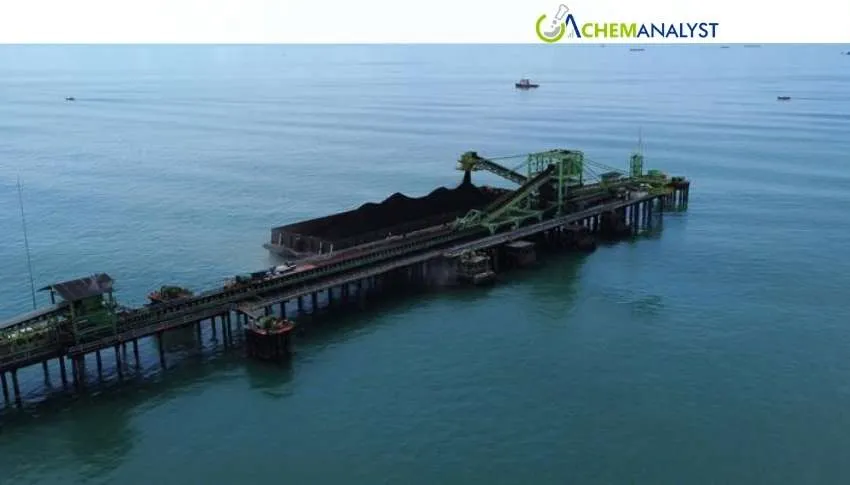
Indonesia has implemented a new "single-gate" export policy for key natural resource commodities, effective June 1, 2026, through a state-owned entity, PT Danantara Sumberdaya Indonesia (DSI). This significant policy shift mandates that all exports of strategic commodities, initially including palm oil, coal, and ferroalloys, will be routed through DSI, which operates under the sovereign wealth fund Danantara. The policy's rollout is phased, with a transition period from June 1 to August 31, 2026, where exporters report sales to DSI while continuing independent overseas transactions. Full implementation, where DSI takes over all contracts, shipments, and payments, is targeted for January 1, 2027.
The primary motivation behind this policy is to combat significant state revenue leakages caused by practices such as under-invoicing and transfer pricing in natural resource exports. President Prabowo Subianto cited an estimated cumulative tax revenue loss of $908 billion over 34 years due to these illicit activities, with palm oil specifically identified for systematic under-invoicing. The government aims to optimize tax revenue, ensure trade surpluses enter the domestic financial system to strengthen the rupiah, and secure national energy resilience by controlling domestic supplies of commodities like coal for industrialization.
However, the policy has drawn considerable apprehension from Indonesian business groups, including the Indonesian Employers Association (Apindo), the Indonesian Mining Association (IMA), and the Indonesian Palm Oil Association (Gapki). Exporters urge a gradual, transparent, and accountable implementation that considers the diverse characteristics of each sector, such as varying contract structures, supply chains, and financing mechanisms. Concerns center on maintaining industrial stability, business certainty, and the continuity of national export flows. Critics, including palm oil farmers' groups, fear potential inefficiencies, slower decision-making, reduced trade flexibility, and the creation of monopoly practices that could disadvantage producers and farmers by diminishing their bargaining power. Some draw parallels to the failed clove monopoly of the Suharto era, which devastated farmer incomes.
Economically, the policy is expected to have multi-faceted impacts. While the government anticipates increased state revenue and a stronger rupiah, analysts warn of potential margin compression for producers if DSI buys low and sells high. The centralisation could also introduce operational disruptions for international buyers and potentially lead to higher global prices for commodities like coal, given Indonesia's significant role as a major exporter. Commodity analysts suggest global coal prices could rise by as much as 25% under a severe supply disruption scenario. Geopolitically, Indonesia aims to elevate its standing in natural resources, asserting its ability to dictate market prices rather than merely react to them, akin to the influence wielded by state-owned entities in other resource-rich nations. The success of the policy hinges largely on the smoothness of its implementation and DSI's operational efficiency.








 About ChemAnalyst
Leave a Comment
Comments (0)