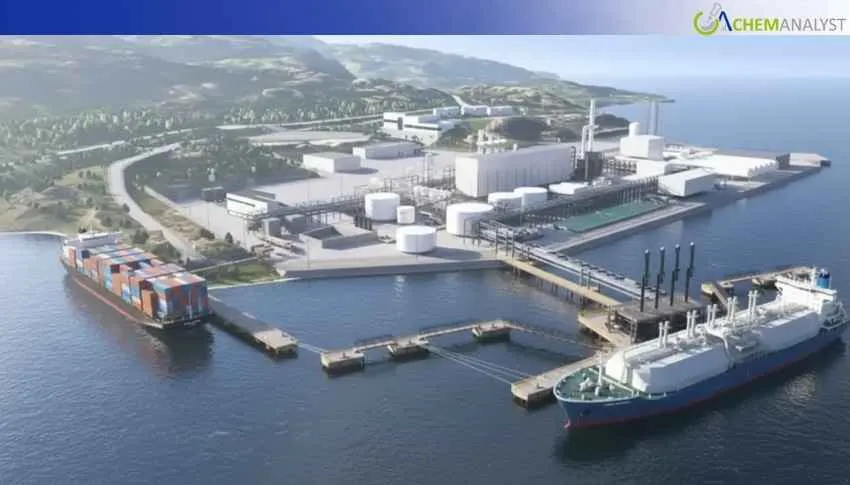
Japan has taken a significant step toward building a cleaner energy and industrial future after approving the country’s first large-scale low-carbon ammonia supply chain. A consortium comprising Tosoh Corporation, Mitsui & Co, Hokkaido Electric Power, and Mitsubishi UBE Cement has received official certification for its low-carbon ammonia business plan from Japan’s Ministry of Economy, Trade and Industry (METI) and the Ministry of Land, Infrastructure, Transport and Tourism (MLIT).
This approval has been granted under the “Support for the Price Gap” mechanism introduced through the Hydrogen Society Promotion Act. The scheme is designed to encourage the adoption of low-carbon fuels by offsetting the cost difference between traditional fossil fuels and cleaner alternatives, which are often more expensive during early market deployment. Over a 15-year period, the system will provide financial assistance aimed at accelerating the commercialization and widespread use of low-carbon hydrogen and its derivatives, including ammonia.
The initiative is being driven by METI’s Agency for Natural Resources and Energy and forms part of Japan’s broader strategy to decarbonize its economy while maintaining energy security. Low-carbon ammonia has been identified as a critical transitional solution because it can be used both as a fuel and as a raw material in existing industrial processes, significantly reducing carbon dioxide emissions compared with conventional ammonia production methods.
Under the certified plan, the four companies will work together to establish a complete low-carbon ammonia supply chain in Japan by fiscal year 2030. Low-carbon ammonia emits substantially less CO2 during production and generates no carbon dioxide when combusted, making it suitable for use in power generation, cement manufacturing, fertilizers, and chemical products. The Hydrogen Society Promotion Act formally recognizes low-carbon ammonia as a category of low-carbon hydrogen, reinforcing its role in both energy and chemical applications.
A central element of the plan involves Mitsui sourcing low-carbon ammonia from the United States. Specifically, Mitsui will procure part of the output produced at the Blue Point Complex in Louisiana, operated by CF Industries. Mitsui participates in the project through a joint venture in which it holds an investment stake and will receive financial support under the Support for the Price Gap framework.
Once imported into Japan, Mitsui plans to supply approximately 280,000 tonnes of low-carbon ammonia each year to Tosoh, Hokkaido Electric Power, Mitsubishi UBE Cement, and additional domestic users. Each of these companies intends to use the ammonia either as a fuel source or as a production input, enabling them to lower emissions and reduce their environmental footprint compared with conventional fuels and materials.
This initiative marks Japan’s first commercial-scale import of low-carbon ammonia and represents a milestone in the country’s clean energy transition. It combines Mitsui’s extensive experience in ammonia production, transportation, and global energy trading with demand from key industrial and power-sector users. Through this collaboration, the partners aim to rapidly establish a viable market for low-carbon ammonia, laying the foundation for broader adoption and long-term decarbonization across Japan’s energy and industrial sectors.







Leave a Comment
Comments (0)