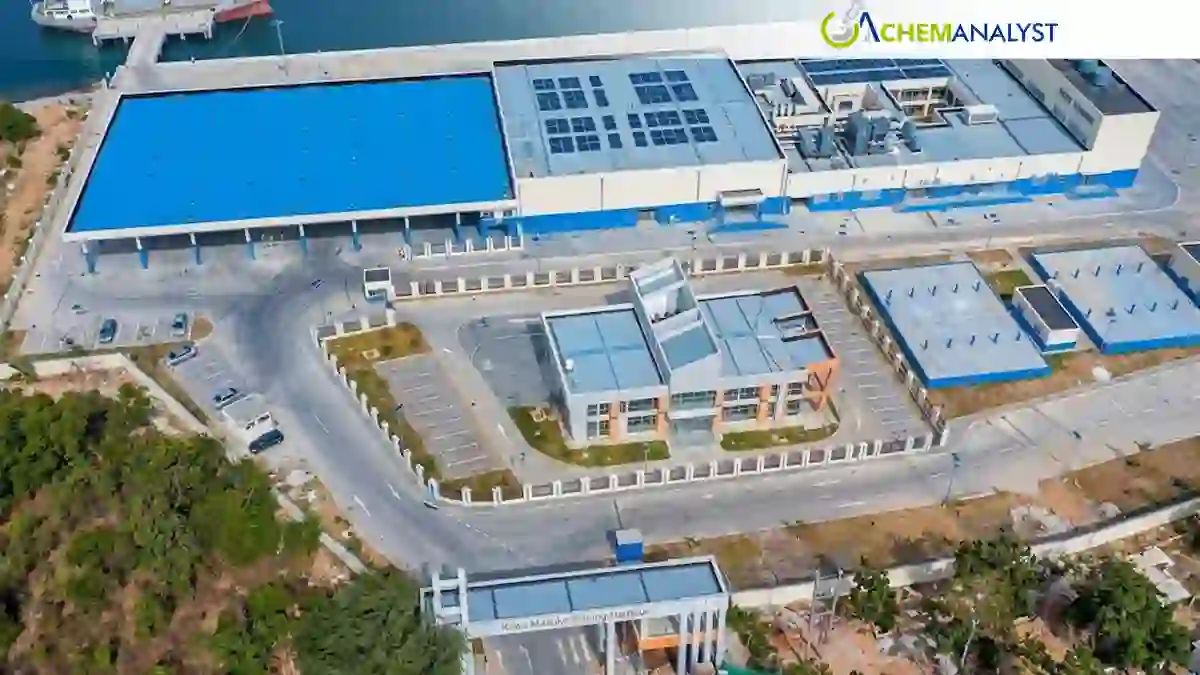
Tanzania's fisheries sector, a vital component of the nation's economy and a source of livelihood for approximately 6 million people, faces significant challenges in post-harvest preservation. Liquefied Petroleum Gas (LPG) emerges as a critical solution to modernize this sector, reduce losses, and drive sustainable growth. The government's substantial investment in infrastructure, such as the Kilwa Masoko Fishing Port, underscores the need for an efficient cold chain, which LPG can reliably provide.
LPG is essential for establishing a robust cold chain, which is currently a major gap in Tanzania's fisheries. Without adequate preservation, a significant portion of fish caught is lost to spoilage within hours of landing. LPG-powered ice plants and blast freezers offer a highly impactful infrastructure intervention, particularly in remote coastal and lake communities where grid electricity is unreliable or unavailable. These modular units can operate independently, ensuring fish remains viable during transit and reaches markets in better condition.
The adoption of LPG in the fish value chain brings substantial economic and environmental benefits. Economically, it drastically reduces post-harvest losses, currently estimated at 25-40 percent, which translates to hundreds of millions of dollars in lost protein and export revenue annually. By extending the shelf life of fish, LPG enhances product quality, increases market value, and creates more stable income for fishers and processors, many of whom are women. The model includes revenue streams from ice sales to fishers and cold storage rentals for processors and exporters. Environmentally, transitioning from traditional fuels like firewood and charcoal to LPG significantly reduces deforestation and indoor air pollution, improving public health outcomes, especially for those involved in fish processing.
For the fisheries industry, LPG fosters greater efficiency and hygiene in processing methods like smoking and frying. The use of piped bulk LPG systems, as seen at Dar es Salaam's Ferry Fish Market, offers traders significant daily savings, uninterrupted operations, and improved safety. This modernization supports the government's National Clean Cooking Energy Strategy 2024-2034, aiming for 80 percent clean energy use by 2030.
The expanding demand for LPG in Tanzania also presents a genuine unexplored market for investors. While much of the existing LPG market targets urban household cooking, the fisheries sector offers a distinct opportunity to build a distributed bulk LPG consumption base outside crowded urban areas. This requires investment in supply chains, storage facilities, and distribution networks, especially in rural fishing communities. Addressing these infrastructure gaps and promoting public-private partnerships will be crucial for realizing LPG's full potential in transforming Tanzania's fish value chain.
Impact on ChemAnalyst-tracked Chemical Commodity Prices
The initiative is expected to have a mildly bullish impact on LPG prices in East Africa as industrial demand from the fisheries sector gradually expands. Demand for steel cylinders, industrial gases, insulation materials, refrigeration chemicals, and plastic packaging resins such as HDPE and PP may also strengthen with cold-chain infrastructure growth. However, the project is unlikely to create immediate price spikes, as LPG consumption will increase progressively alongside infrastructure deployment. Overall, ChemAnalyst-tracked commodities related to LPG, refrigeration systems, industrial equipment, and packaging materials may witness stable-to-firm pricing over the medium term, supported by sustained investment and rising commercial energy demand.








 About ChemAnalyst
Leave a Comment
Comments (0)