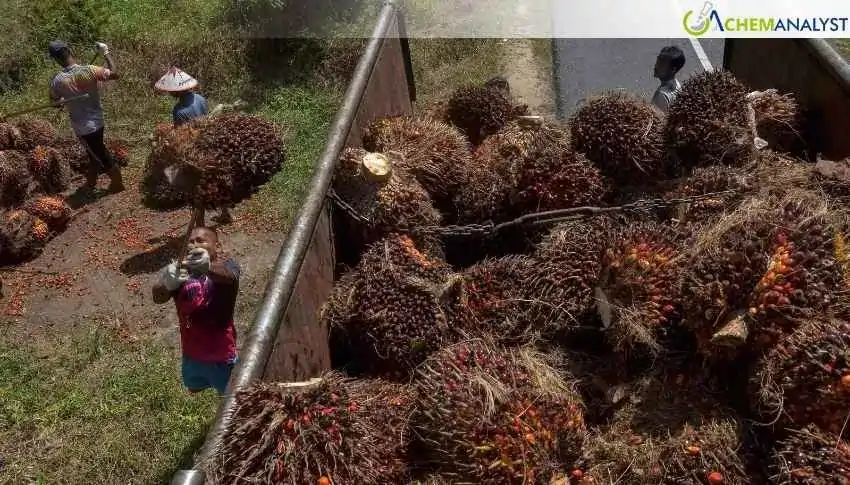
Malaysia is significantly expanding its palm oil-based biodiesel program, primarily driven by escalating global crude oil prices and ongoing geopolitical instability, particularly in the Middle East. This strategic shift aims to bolster energy security, reduce reliance on imported fossil fuels, and support domestic palm oil prices, while also contributing to the country's net-zero carbon emissions target by 2050.
Starting in June, Malaysia will introduce B15 biodiesel nationwide, increasing the palm oil content in diesel fuel from 12% to 15%. The country has outlined a phased expansion, with intentions to move towards a B20 blend and potentially even a B50 blend within the next two to three years. Currently, a B10 mandate is enforced nationwide for the transport sector, with B20 already implemented in specific regions such as Labuan, Langkawi, and parts of Sarawak. This initiative mirrors efforts by Indonesia, the world's largest palm oil producer, which has already adopted a mandatory B40 blend and is exploring B50.
The primary cause for this accelerated adoption is the strong correlation between crude oil prices and the attractiveness of palm oil as a biodiesel feedstock. Higher fossil fuel prices improve the economics of biodiesel, thereby boosting demand for palm oil. Geopolitical tensions, such as those in the Middle East, contribute to oil price volatility and supply disruptions, further emphasizing the need for alternative fuels. By increasing the domestic use of palm biodiesel, Malaysia seeks to lessen its vulnerability to these external market forces and enhance its energy independence.
The expansion of the biodiesel program carries several significant economic and industry-specific impacts. It is projected to increase Malaysia's palm oil-based biodiesel consumption by over 300,000 metric tons annually. The move from B10 to B12 alone is expected to increase consumption by an additional 130,000 tons per year, with the subsequent expansion to B15 adding approximately 204,000 tons annually. This increased domestic demand is anticipated to strengthen crude palm oil (CPO) prices, benefiting palm oil farmers and local communities. While domestic consumption rises, overall palm oil export volumes are expected to remain largely stable due to Malaysia's robust CPO production capacity.
However, challenges remain. Expanding B20 nationwide requires substantial infrastructure investments, estimated at RM 643 million, with reluctance from both government and private stakeholders to commit large-scale funding. Other hurdles include the volatility of feedstock prices, frequent delays in policy rollout, concerns from automakers regarding vehicle compatibility with higher blends, and ongoing environmental scrutiny related to palm oil production. Despite these challenges, the Malaysian government views biodiesel as a crucial component in achieving its environmental goals and securing its energy future.







Leave a Comment
Comments (0)