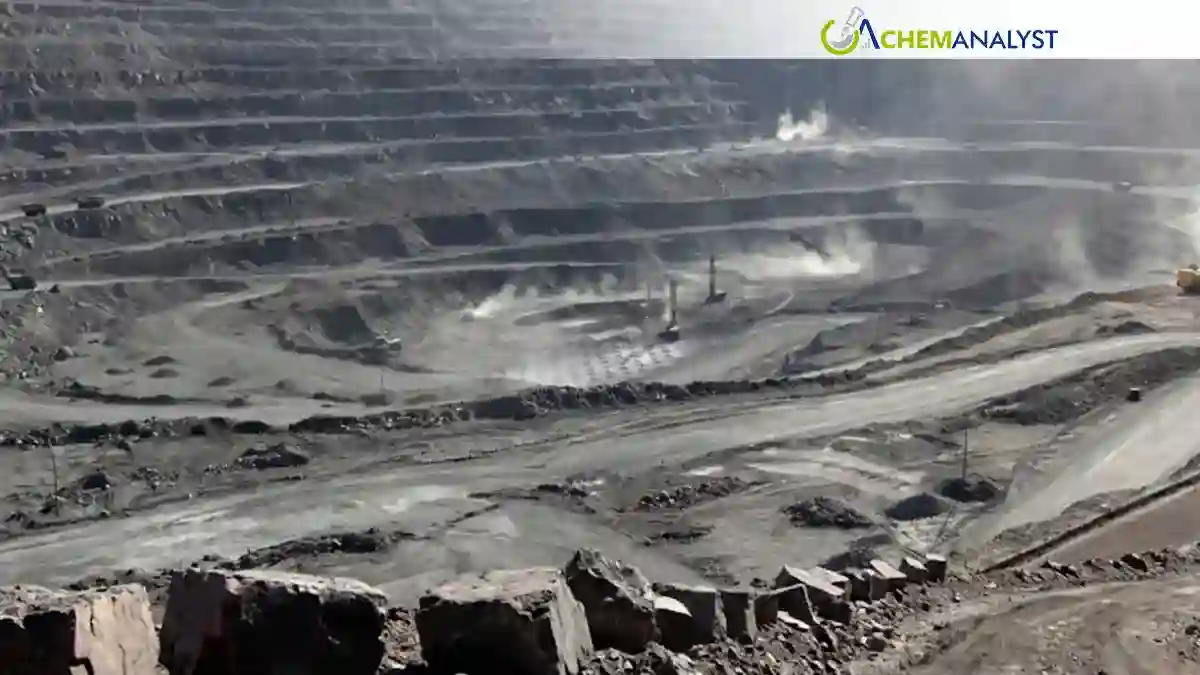
Malaysia is reviewing its policy on rare earth exports and may permit limited shipments of unprocessed rare earth minerals as part of a broader strategy to strengthen its role in the global critical minerals supply chain. The proposal comes amid rising international demand for rare earth elements, which are essential for manufacturing electric vehicles, defense equipment, renewable energy technologies, and consumer electronics.
The country imposed a ban on exports of raw rare earth minerals in 2024 with the objective of encouraging domestic processing and attracting investments in value-added industries. The policy sought to ensure that Malaysia retained more economic value from its natural resources by promoting local refining and downstream manufacturing rather than exporting raw materials.
However, changing market conditions and increasing geopolitical competition for critical minerals have prompted the government to reassess the restrictions. China’s export controls on rare earth materials during its trade dispute with the United States intensified global efforts to diversify supply sources, creating new opportunities for countries with significant mineral reserves. Malaysia now sees an opportunity to enhance its strategic position while supporting global industries seeking alternative suppliers.
Malaysia already occupies an important place in the global rare earth industry through the operations of Lynas Rare Earths Ltd., which runs one of the world's largest rare earth processing facilities outside China. The refinery currently processes ore imported from Australia, but growing interest in Malaysia's own untapped rare earth deposits has encouraged discussions on expanding domestic mining activities.
Government officials indicated that any relaxation of export restrictions would be carefully controlled. Exports of unprocessed rare earths would likely be linked to commitments from foreign investors, including technology transfer agreements, investment in domestic processing facilities, and research and development initiatives conducted outside Malaysia. Authorities emphasized that any policy revision would prioritize long-term industrial development rather than unrestricted exports. No timeline has been announced for possible regulatory changes.
Malaysia also aims to reduce dependence on a single technology provider by attracting investments from multiple international partners. Officials reaffirmed the country's ambition to become a leading regional hub for critical minerals by 2030, with investments spanning mining, processing, and downstream manufacturing.
Neighboring Indonesia has adopted a similar strategy by restricting raw material exports while allowing limited shipments for companies meeting downstream investment commitments. Malaysia appears to be evaluating a comparable model. Alongside Lynas, domestic firms such as Berjaya Corp. and international companies including France-based Carester SAS are pursuing rare earth processing projects in the country. Although Chinese participation has been relatively limited so far, Malaysia intends to continue engaging with Chinese companies because of their extensive expertise in rare earth mining and processing technologies.
Impact on Chemanalyst Chemical Commodity Prices
Malaysia's potential easing of rare earth export restrictions is unlikely to have an immediate impact on mainstream chemical commodity prices tracked by ChemAnalyst, as rare earth minerals are specialty materials rather than bulk chemicals. However, increased investments in mining, mineral separation, and downstream processing could gradually boost demand for industrial chemicals such as sulfuric acid, hydrochloric acid, caustic soda, nitric acid, ammonia, and solvent chemicals used in extraction and refining. Stronger processing activity may provide modest support to prices of these chemicals in Southeast Asia. Overall, the move is expected to create a mildly positive demand outlook without causing significant short-term price volatility.







Leave a Comment
Comments (0)