Morocco has maintained a stable electricity supply in recent months despite a significant 15% reduction in gas imports during the first quarter of 2026, a situation attributed primarily to the nation's substantial reliance on coal for power generation, according to a report by the Attaqa platform. This stability comes at a time when many major economies are experiencing pressure on their energy systems due to global gas flow disruptions, maritime navigation challenges, and escalating prices.
Gas imports to Morocco saw a sharp decline, particularly in March 2026, with supplies temporarily suspended and eventually ceasing entirely by the end of the month and into early April. While no official explanation for the drop was provided, it is speculated to be linked to high spot prices for liquefied natural gas (LNG) or constraints on re-import through Spain and the Maghreb-Europe pipeline.
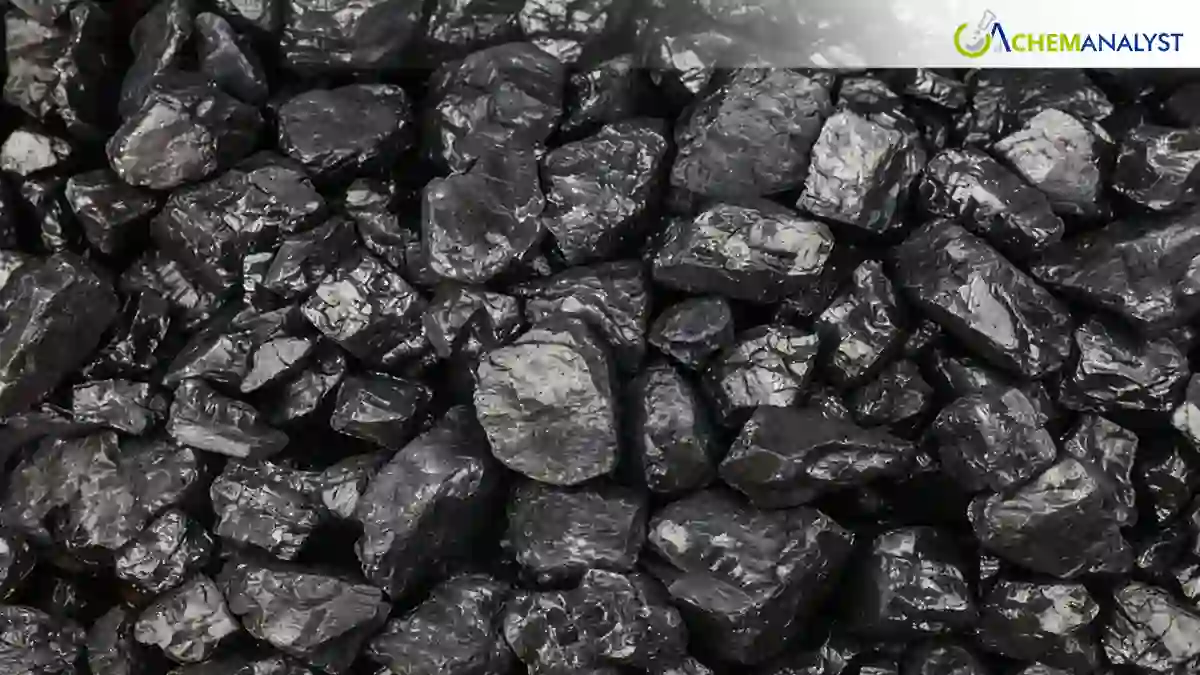
The key factor in Morocco avoiding electricity shortages is its energy mix, where coal accounted for 61.5% of electricity generation in 2025, compared to just 10.9% from gas. To compensate for the reduced gas imports, Morocco increased its coal imports, primarily from Russia. Consequently, electricity generated from coal rose to 27.4 terawatt-hours in 2025 from 26.2 terawatt-hours in 2024, solidifying Morocco's position as one of the world's most coal-dependent power producers. Additionally, record rainfall in 2026 significantly boosted hydropower generation, further contributing to the country's reduced need for gas imports.
From an economic perspective, Morocco's reliance on coal has shielded it from the immediate impact of volatile international gas prices, ensuring uninterrupted electricity and thus economic stability. However, the country remains heavily dependent on imported hydrocarbons for approximately 90% of its energy needs. Geopolitically, this strategy has reduced Morocco's vulnerability to regional gas supply disruptions, but it has also led to an increased reliance on specific coal suppliers, like Russia.
Environmentally and industrially, Morocco's heavy coal usage presents challenges regarding carbon emissions. Although the country is actively pursuing an ambitious renewable energy strategy, aiming for 52% of installed capacity from renewables by 2030 and 80% by 2040, it is currently lagging behind these targets. Renewable energy sources, particularly solar and wind, are central to Morocco's long-term energy strategy, with renewables contributing around 40-46% of installed capacity or electricity generation in recent years. Morocco also plans to diversify its energy mix by increasing the use of LNG and developing domestic gas production as part of its "Gas Roadmap" issued in May 2024."







Leave a Comment
Comments (0)