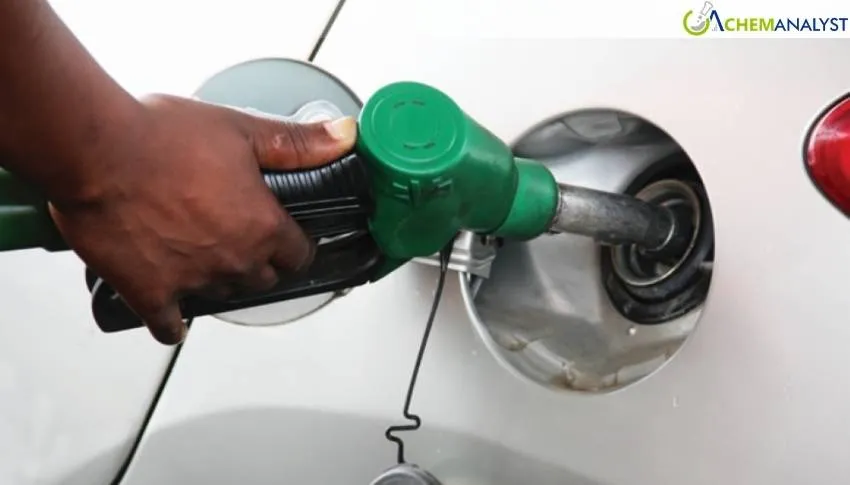
Mozambique has announced substantial increases in fuel prices, effective May 7, 2026, with diesel rising by 45.5% and gasoline by 12.1%. This move, justified by the Mozambican government through the Energy Regulatory Authority (ARENE), is a direct response to escalating international market rates and the ongoing conflict in the Middle East.
The Chairman of ARENE, Paulo da Graça, stated that the government had been closely monitoring the situation for over two months, noting a generalized price increase across the African continent, particularly in Southern Africa, driven by the Middle East conflict. This conflict is particularly impactful as approximately 80% of Mozambique's fuel imports transit through the affected region.
Under the new pricing structure, a liter of gasoline will increase from approximately 83.57 meticais (€1.10) to 93.69 meticais (€1.23). Diesel will see an even sharper rise, from 79.88 meticais (€1.06) to 116.25 meticais (€1.54) per liter. Other fuel types are also affected: illuminating paraffin (kerosene) will jump from 66.86 meticais (€0.87) to 97.56 meticais (€1.29) per liter, cooking gas (LPG) will slightly increase from 86.05 meticais (€1.14) to 87.82 meticais (€1.15) per kilogram, and compressed natural gas (CNG) for vehicles will go from 41.11 meticais (€0.54) to 52.73 meticais (€0.69) per liter.
These price adjustments follow weeks of fuel supply difficulties across Mozambique, characterized by closed service stations, extensive queues, and rationing of purchases. Both President Daniel Chapo and Prime Minister Benvinda Levi had previously signaled the inevitability of such increases, emphasizing Mozambique's vulnerability as a net importer of fuels.
The economic consequences are expected to be significant, leading to a higher cost of living for citizens and increased operational expenses for businesses in sectors such as transport, agriculture, and manufacturing. The government acknowledges these potential negative impacts and has pledged to implement a range of multisectoral measures to mitigate them. Geopolitically, the situation underscores Mozambique's exposure to global energy market fluctuations and the ripple effects of international conflicts. The substantial hike in diesel prices, in particular, will have a profound industry-specific impact on the transport and logistics sectors, which are heavily reliant on this fuel. The government's challenge now lies in managing public sentiment and cushioning the economic blow to its citizens and economy.







Leave a Comment
Comments (0)