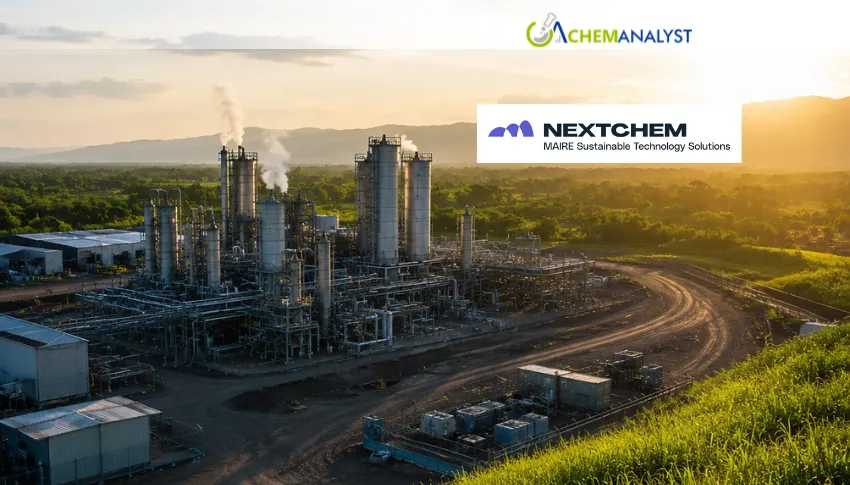
MAIRE’s subsidiary Nextchem, through MyRechemical, has secured a contract from SKY Renewables Burdekin Pty Ltd to support Project Lion, a sustainable aviation fuel (SAF) development in North Queensland’s Burdekin region of Australia. The award covers technology licensing, the Process Design Package (PDP), and engineering services for the project’s syngas production section.
Project Lion will use NX Circular™ Gasification, Nextchem’s proprietary technology, to convert locally available sugarcane residues into purified chemical-grade syngas. The syngas will then undergo further processing through third-party technologies to produce SAF and renewable diesel. At full-scale operation, the project is expected to have the potential to produce up to 125,000 tonnes of SAF annually.
A key feature of the project is its use of sugarcane tops and trash, agricultural residues that are frequently burned in fields. By converting these materials into a valuable feedstock for low-carbon fuel production, the project could reduce waste burning while improving the utilization of renewable biomass resources.
The initiative highlights the potential of agricultural residues to support the aviation sector’s decarbonization goals. SAF is increasingly viewed as an important pathway for lowering emissions from aviation, where direct electrification remains challenging for long-haul operations. Project Lion’s integration of biomass gasification with downstream fuel conversion could therefore provide a scalable model for producing renewable fuels from locally sourced feedstocks.
For Nextchem, the award also marks an expansion into the Australian market and strengthens its position in the global sustainable fuels industry. The company said the project demonstrates the strategic relevance of its proprietary technologies in converting renewable and residual feedstocks into sustainable fuels.
The contract remains subject to a Notice to Proceed, although certain engineering services are excluded from this condition. Nextchem Managing Director Fabio Fritelli said the project reinforces the company’s role in supporting circular carbon solutions and the decarbonization requirements of the aviation industry.
The Australian project adds to Nextchem’s growing portfolio of technologies aimed at converting waste and renewable resources into low-carbon intermediates and fuels. Its entry into Australia could also create opportunities for further projects involving agricultural residues, biomass conversion and sustainable fuel production.
Impact on the Product and Chemical Commodity Prices
Project Lion should have a positive long-term impact on SAF and renewable diesel production, as it creates a pathway to convert abundant sugarcane residues into low-carbon fuels. However, the direct impact on conventional chemical commodity prices tracked by ChemAnalyst is likely to remain limited initially because the project is still subject to a Notice to Proceed and relies on third-party downstream technologies. Over time, increased production of bio-based syngas and SAF could reduce dependence on fossil-derived feedstocks, potentially placing mild downward pressure on petroleum-based intermediates and fuel-related chemicals. At the same time, demand for biomass, syngas-related technologies and renewable-carbon feedstocks could strengthen, supporting prices for relevant sustainable chemical inputs.







 About ChemAnalyst
Leave a Comment
Comments (0)