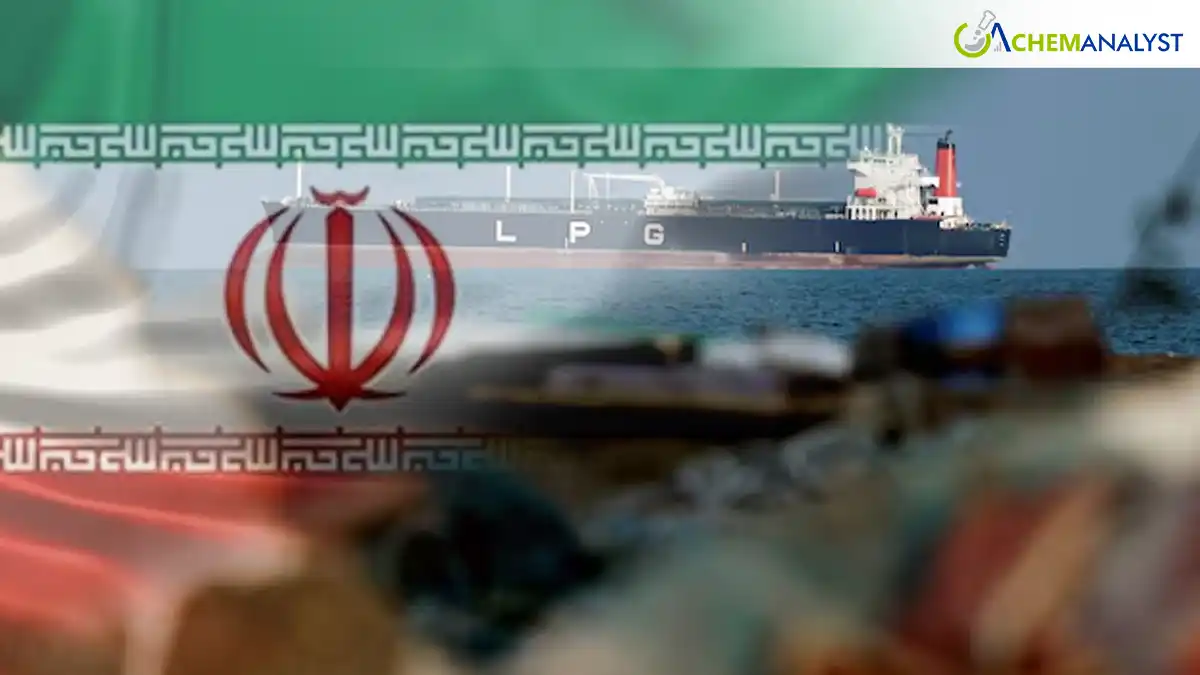
Oil prices rebounded sharply on Tuesday, climbing more than 2% as escalating geopolitical tensions in the Middle East intensified concerns over global supply disruptions. The surge came after a significant decline in the previous trading session, when markets briefly stabilized as some vessels managed to pass through the Strait of Hormuz. However, renewed fears over the security of this crucial shipping route quickly reversed those losses.
Brent crude futures rose by $2.74, or 2.7%, reaching $102.95 per barrel in early trading hours, while U.S. West Texas Intermediate (WTI) crude gained $2.45, or 2.6%, to settle at $95.95 per barrel. These gains followed a notable drop a day earlier, when Brent had fallen 2.8% and WTI slid 5.3%, reflecting the volatile nature of oil markets amid ongoing uncertainty.
At the center of the crisis is the Strait of Hormuz, one of the world’s most critical energy chokepoints, through which approximately 20% of global oil and liquefied natural gas shipments pass. The waterway has been significantly disrupted due to the ongoing U.S.-Israeli conflict with Iran, now entering its third week. This disruption has heightened fears of supply shortages, which in turn could push energy prices higher and contribute to global inflationary pressures.
Adding to market anxiety, several U.S. allies have declined requests from Donald Trump to deploy naval forces to escort oil tankers through the Strait. This reluctance has drawn criticism from Trump, who accused Western nations of failing to reciprocate long-standing U.S. support. The lack of coordinated international military protection has further fueled concerns about the safe passage of energy shipments.
Compounding the situation, reports emerged of a drone attack that caused a fire in the Fujairah Oil Industry Zone during Asian trading hours. Although no casualties were reported, the incident underscored the vulnerability of critical oil infrastructure in the region. Traders noted that such events have contributed to upward pressure on prices by reinforcing fears of reduced supply availability.
As a result of these combined factors, Middle Eastern crude benchmarks have surged to record highs, becoming the most expensive globally. Market participants attribute this spike to tightening supply conditions and limited availability of cargoes for immediate delivery.
In response to rising energy costs, the head of the International Energy Agency suggested that member nations could consider releasing additional oil from strategic reserves. This would build upon the already planned release of 400 million barrels aimed at stabilizing markets and mitigating price volatility.
Meanwhile, Israel has indicated that it is preparing for an extended military campaign, with plans for at least three more weeks of operations. Overnight strikes on multiple sites across Iran signal that the conflict is far from over, raising the likelihood of continued disruptions in energy markets.
Overall, the situation remains highly fluid, with oil prices expected to stay volatile as geopolitical risks persist and supply uncertainties dominate market sentiment.






Leave a Comment
Comments (0)