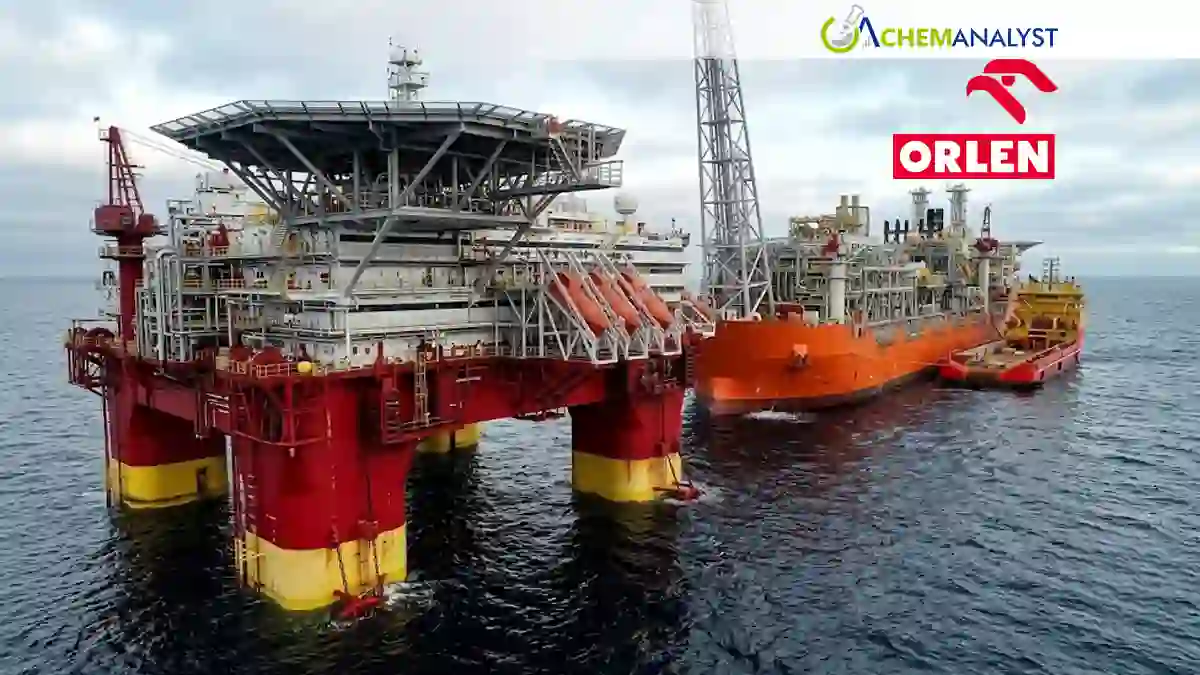
ORLEN has joined 13 major energy companies and organizations from Northern and Central Europe to establish the Baltic Energy Initiative, a new regional partnership aimed at strengthening energy security, accelerating the energy transition, and improving the competitiveness of the Baltic Sea region.
The agreement brings together 14 organizations from Poland, Finland, Sweden, Denmark, Germany, Lithuania, Latvia, Estonia, and Norway. In addition to ORLEN, participating organizations include Eesti Energia, Enefit, Fortum, KN Energies, DNV Energy Systems, Topsoe, Siemens Energy, Adven, Steady Energy, P2X Solutions, Latvenergo, Gasgrid Finland, and Orsted.
The initiative will provide a platform for companies to combine technical expertise, infrastructure, investment capabilities, and operational experience. The partners will collaborate on large-scale cross-border energy projects covering offshore wind, LNG and bioLNG, hydrogen, carbon capture and storage (CCS), nuclear power, and small modular reactors (SMRs).
ORLEN President and CEO Ireneusz Fafara said the scale of challenges facing the energy industry requires stronger cooperation between countries and companies. Through the new alliance, participants aim to contribute to major energy-transition projects while helping shape their future development.
A key priority will be improving cooperation across regional LNG and bioLNG markets. The partners also intend to support the development of a regional hydrogen market, establish carbon transport and storage infrastructure, and explore opportunities related to SMRs and offshore wind.
Financing will represent another important area of cooperation. The alliance plans to jointly pursue funding from European Union programs and other international sources, potentially helping large infrastructure projects secure the capital needed for development.
For ORLEN, the partnership supports its broader transformation strategy and expansion into areas such as offshore wind, LNG, hydrogen, CCS, and nuclear energy. Collaboration could also simplify cross-border projects, encourage knowledge sharing, and contribute to recommendations on regulations and government support mechanisms.
Energy infrastructure protection is another major focus. Members will exchange knowledge on cybersecurity, emergency preparedness, critical infrastructure protection, and responses to physical and hybrid threats. They will also assess opportunities to improve infrastructure resilience and identify potential financing sources.
The initiative could additionally strengthen the Baltic region’s influence in discussions with European institutions. By developing common positions on regulation, investment, and support mechanisms, participating organizations can present a unified voice and potentially accelerate strategic energy investments across the region.
Chemical Commodity Price Impact
The initiative is positive for LNG, bioLNG, hydrogen, and CCS-related value chains, as coordinated investments could increase infrastructure development and long-term demand. Greater LNG and bioLNG integration may support consumption of natural gas and related processing infrastructure, while hydrogen expansion could boost demand for electrolyzers, catalysts, and associated chemicals. Offshore wind and nuclear projects may increase requirements for specialty materials, coatings, polymers, and engineering chemicals. For commodities tracked by ChemAnalyst, the immediate price impact is likely limited because most projects are long-term. However, stronger regional investment could gradually create upward demand pressure on LNG, hydrogen-related chemicals, polymers, coatings, and specialty chemical materials.








 About ChemAnalyst
Leave a Comment
Comments (0)