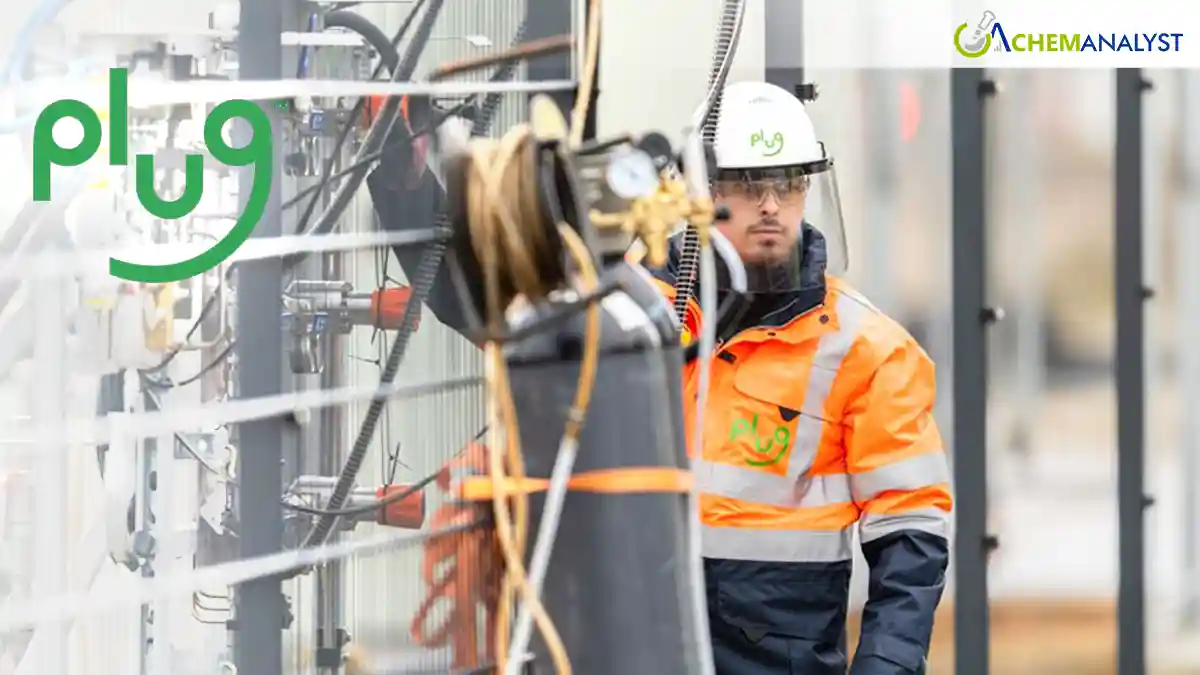
Hydrogen has begun flowing through one of Europe’s most strategically important early-stage hydrogen infrastructure developments, marking a significant step forward for the continent’s energy transition. Plug has successfully completed the initial hydrogen filling of a 32-kilometer pipeline segment developed by Hynetwork in the Rotterdam industrial cluster. As part of this first commissioning phase, 32 tons of RFNBO-certified hydrogen were supplied, making this the first major section of the Dutch hydrogen network to be charged with hydrogen. This achievement represents a foundational milestone in establishing a future-ready hydrogen backbone for Rotterdam, the Netherlands, and the wider north-western European region.
The pipeline segment has been developed by Hynetwork, a subsidiary of Gasunie, and plays a critical role in connecting the Port of Rotterdam with major industrial customers. Beyond serving local demand, the infrastructure is designed to integrate seamlessly into the Netherlands’ planned nationwide hydrogen network. Once fully operational, this network is expected to become a central pillar of the country’s decarbonization strategy, enabling industrial users to transition away from fossil fuels while maintaining energy reliability.
Importantly, the Rotterdam pipeline also supports the broader Delta Rhine Corridor (DRC), a cross-border initiative aimed at linking Rotterdam’s industrial hub with major demand centers across the Netherlands and into Germany. By facilitating large-scale hydrogen transport, the DRC is expected to accelerate industrial decarbonization while enhancing European energy security and reducing dependence on imported fossil energy sources. The successful commissioning of this pipeline segment therefore has implications that extend well beyond the Netherlands.
The hydrogen filling operation itself was carried out through close coordination among Hynetwork, Plug, and multiple logistics partners. Hydrogen was transported from northern Germany to a temporary filling location at the Maasvlakte industrial area near Rotterdam. According to Hynetwork, the presence of experienced specialist partners and strong cross-team coordination were essential to ensuring that the operation was executed safely, efficiently, and on schedule.
Plug played a central role in supporting the commissioning process by supplying RFNBO-certified hydrogen and providing a custom-engineered unloading system specifically designed for pipeline purging and filling. This system enabled the efficient unloading of multiple hydrogen trailers while maintaining a consistent and controlled flow throughout the operation. The pipeline filling was completed smoothly and without incident, offering a strong signal of readiness as hydrogen networks across Europe move from pilot stages toward scaled deployment.
This Rotterdam milestone builds on Plug’s expanding hydrogen delivery footprint across Europe. Notably, the company has also supported the H2CAST salt cavern hydrogen storage project in Germany, where it delivered more than 44 tons of renewable hydrogen and was subsequently awarded an additional supply contract. Together, these initiatives illustrate a broader shift in Europe’s hydrogen journey—from planning and policy design to tangible, operational infrastructure.
With hydrogen now flowing through Rotterdam’s first major pipeline segment, a solid foundation has been laid for a connected and resilient hydrogen system spanning the Netherlands and north-western Europe. As Gasunie has highlighted, this milestone offers a clear indication of how hydrogen infrastructure can scale rapidly when supported by reliable partners, certified supply, and robust engineering execution.







Leave a Comment
Comments (0)