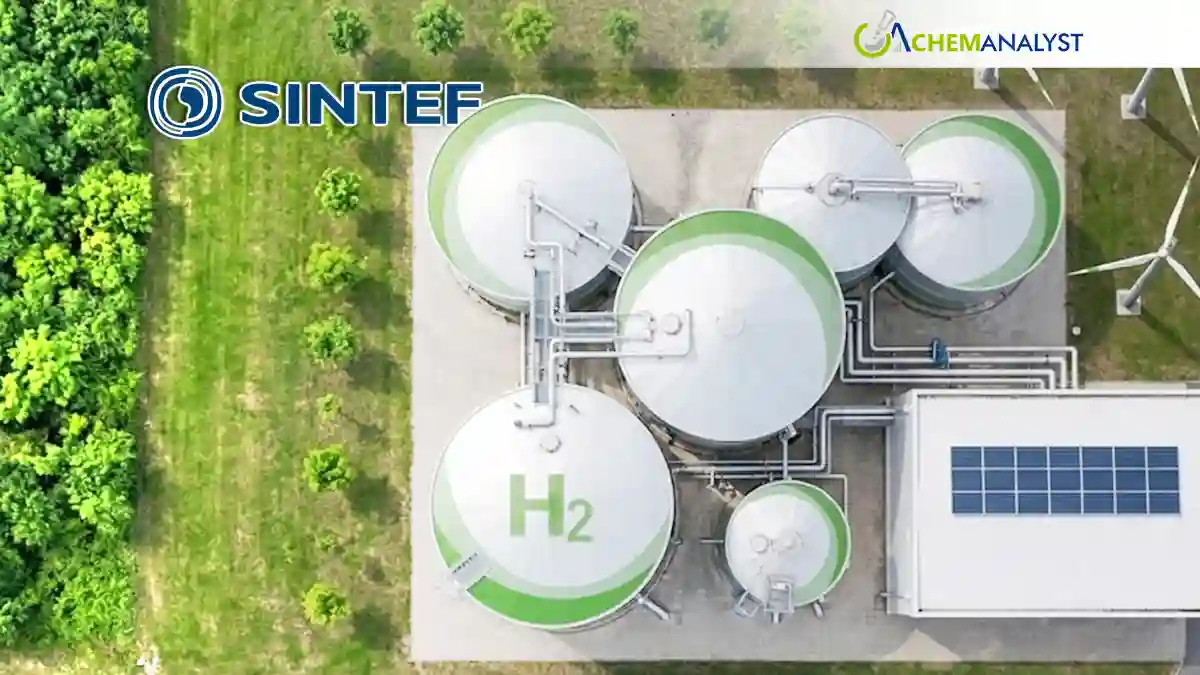
Power to Hydrogen (P2H2), a company specializing in the development of anion exchange membrane (AEM) electrolyzer technology, has secured a binding commercial order from SINTEF, one of Europe’s leading independent research organizations. Under the agreement, Power to Hydrogen will supply a 0.5-megawatt AEM electrolyzer system, with delivery scheduled for the fourth quarter of 2026. The system will be installed at SINTEF’s research facility in Tiller, Norway, where it will play a key role in the production of green hydrogen for an innovative carbon utilization project.
The hydrogen generated by the electrolyzer will be used in a groundbreaking gas fermentation process that combines renewable hydrogen with captured carbon dioxide (CO2) to produce acetone, an important industrial chemical. Acetone is widely used across a range of sectors, including solvents, plastics manufacturing, coatings, pharmaceuticals, and other industrial applications. By utilizing renewable energy and recycled carbon dioxide, the project aims to create acetone with virtually no associated carbon emissions, demonstrating a more sustainable pathway for chemical production.
This agreement represents Power to Hydrogen’s second commercial deployment of its AEM electrolyzer technology. It follows the company’s high-profile project at the Port of Antwerp-Bruges, which is expected to begin operations later this year. The SINTEF project marks a significant expansion of AEM electrolysis into the green chemicals sector and highlights the growing interest in technologies that support industrial decarbonization and carbon capture utilization.
The new installation forms part of the PYROCO2 initiative, a flagship project funded through the European Union’s Horizon 2020 Green Deal program under grant agreement No. 101037009. PYROCO2 brings together a consortium of partners working to establish a commercially viable process for directly converting captured carbon dioxide into acetone. The project addresses one of the major challenges of the global carbon cycle by transforming waste CO2 emissions into valuable chemical products, thereby reducing dependence on fossil-based feedstocks.
According to Alexander Wentzel, Chief Scientist at SINTEF, the project aims to demonstrate a practical and scalable approach for converting captured carbon dioxide and renewable hydrogen into marketable chemicals. He emphasized that achieving this objective requires hydrogen production technologies capable of delivering high efficiency, operational flexibility, and lower overall system costs. SINTEF believes Power to Hydrogen’s AEM electrolyzer platform possesses the necessary characteristics to support these goals and facilitate the commercialization of sustainable chemical manufacturing.
Power to Hydrogen Chief Executive Officer Paul Matter noted that SINTEF’s selection of the company’s technology reflects confidence in its ability to meet the demanding requirements of industrial applications. He highlighted the importance of cost-effectiveness, durability, and reliable performance under real-world operating conditions. Matter also pointed to the growing commercial demand for industrial-scale AEM electrolysis as companies increasingly seek solutions to reduce carbon emissions and integrate renewable energy into their operations. He believes applications such as the PYROCO2 project will play a crucial role in driving future demand for affordable green hydrogen.
The AEM electrolyzer system will provide renewable hydrogen for a process that combines hydrogen and captured carbon dioxide to produce acetone in an environmentally sustainable manner. Powered entirely by renewable electricity, the process is designed to minimize greenhouse gas emissions while supporting circular carbon utilization. Additionally, Power to Hydrogen’s AEM technology is engineered to respond rapidly to fluctuations in renewable power generation and maintain low degradation rates during continuous industrial operation. These capabilities make it particularly well suited for projects requiring flexible and reliable integration with renewable energy sources, such as PYROCO2.








 About ChemAnalyst
Leave a Comment
Comments (0)