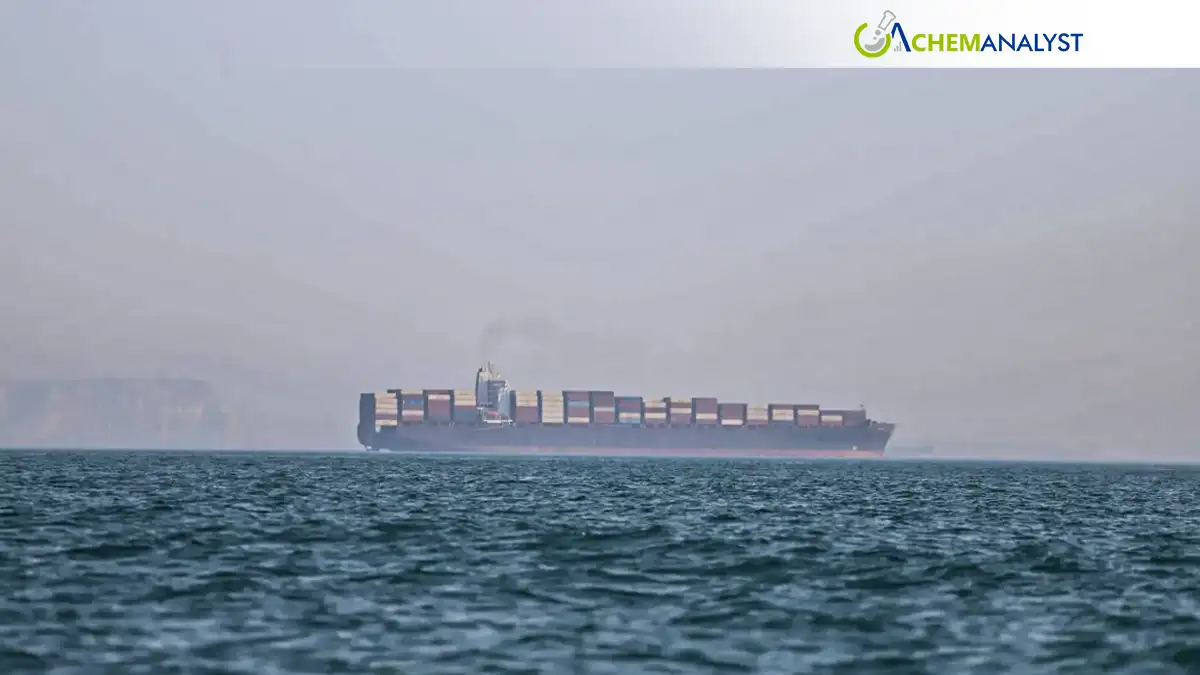
The Strait of Hormuz, a critical chokepoint for global energy supplies, has seen a significant de-escalation of tensions following a diplomatic breakthrough between the United States and Iran. This shift was underscored by the transit of three Saudi-flagged supertankers, carrying six million barrels of crude oil, through the strait just hours after U.S. President Donald Trump signed a deal with Iran aimed at ending a protracted conflict. These sailings marked the largest departures through the strait in weeks, signaling a potential return to normalcy for maritime traffic.
The recent events follow a period of intense geopolitical strain that began on February 28, leading to a U.S. naval blockade imposed in April. This blockade significantly disrupted hundreds of millions of barrels of oil from leaving Gulf producer ports through Hormuz, severely impacting global energy markets. The U.S. had implemented the blockade after peace talks in Islamabad between Washington and Tehran failed to yield an agreement, and in response to Iran's tightening grip on the vital waterway. During the blockade, traffic through the strait plummeted to a fraction of its usual 130-plus daily crossings, creating immense uncertainty for shippers, oil companies, and war risk insurers. Saudi Arabia, for instance, had resorted to using its Red Sea port terminal of Yanbu to ship oil to bypass the strait.
The current positive development stems from a Memorandum of Understanding (MoU) reached between Tehran and Washington. Following the announcement of this MoU, the U.S. lifted its naval blockade, allowing not only Saudi but also five Iranian ships, including three oil tankers and two vessels carrying essential goods, to transit the Strait of Hormuz. This diplomatic progress has been widely welcomed by Middle Eastern countries, with Saudi Arabia and Iraq expressing support for the MoU and emphasizing the importance of restoring security and freedom of navigation in the strait.
The economic ramifications of this de-escalation are substantial. The reopening of the Strait of Hormuz is crucial for ensuring the smooth flow of approximately 20% of the world's crude oil and LNG supplies, thereby stabilizing international energy sectors. While oil prices initially saw a sharp decline due to optimism, they subsequently stabilized, with Brent crude trading slightly lower but remaining above its pre-conflict levels. For Iran, the agreement, which includes a 60-day negotiation period for a final deal, holds the promise of significant economic breakthroughs, particularly regarding the removal of sanctions. The return of commercial shipping traffic, including supertankers, through the Strait of Hormuz indicates a cautious but clear step towards restoring stability and predictability to a region vital for global trade and energy security.
Market impact: The de-escalation of tensions in the Strait of Hormuz is expected to have a bearish impact on crude oil and LNG markets as the restoration of normal shipping routes improves global supply security. The return of Saudi and Iranian tankers through the strait reduces fears of supply disruptions affecting nearly one-fifth of the world’s seaborne oil and LNG trade. Increased availability of Middle Eastern crude may place downward pressure on Brent and WTI crude prices, particularly by lowering the geopolitical risk premium that had built up during the conflict.
Petrochemical feedstocks such as naphtha, LPG, and ethane may also experience softer pricing due to improved crude supply and reduced transportation risks. LNG prices in Asia and Europe could ease as Gulf exports stabilize. Additionally, lower war-risk insurance costs and normalized freight rates will reduce shipping expenses, supporting more stable energy and petrochemical supply chains globally. However, price declines may remain moderate as markets continue monitoring the progress of the final U.S.-Iran agreement.






Leave a Comment
Comments (0)