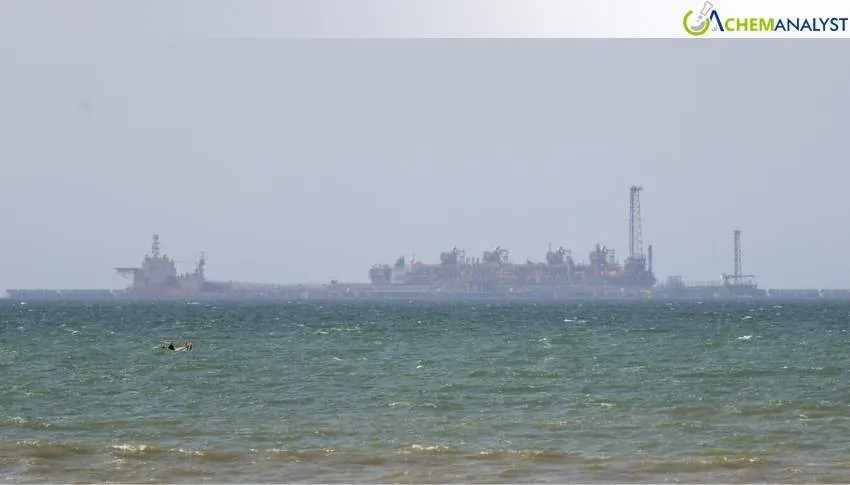
Senegal's state-owned oil company, Petrosen, is embarking on an ambitious $7.5 billion project to develop the offshore Yakaar-Teranga gas discovery, primarily aimed at eliminating the nation's substantial energy subsidies. This initiative is a cornerstone of Senegal's strategy to achieve energy independence and foster industrial growth.
The West African nation currently grapples with an annual energy subsidy bill of approximately $1 billion, a significant fiscal burden that diverts funds from critical investments in health, education, and infrastructure. The Yakaar-Teranga project is designed to sharply reduce this expenditure by replacing costly imported fuels with domestically produced gas. Although Senegal commenced crude oil production from its offshore Sangomar field in 2024, it paradoxically remains a net importer of refined petroleum products, underscoring the urgency of this gas development.
The development of Yakaar-Teranga is envisioned in two phases. The initial phase, estimated at 2.5 billion, will focus on producing approximately 300 million cubic feet of gas daily for the domestic market, primarily for electricity generation. This is crucial for a country where high electricity generation costs are largely due to reliance on expensive liquid fuels. A subsequent 5 billion downstream phase will aim to establish petrochemical, fertilizer, steel, and cement industries, aligning with Senegal's broader industrialization goals. The targeted production start for Phase 1 is around 2027.
Economically, the project promises significant fiscal relief by reducing the subsidy burden and generating new revenues. Senegal plans to fund the development through a combination of regional bond markets, development finance institutions, and diaspora-linked capital, potentially leveraging long-term offtake contracts. This comes at a time when the country is addressing substantial public debt and seeks to consolidate its capacity to finance public investments.
Geopolitically and industry-specifically, the project highlights Senegal's increasing control over its natural resources. Kosmos Energy, which discovered the field a decade ago, is expected to see its contract expire in July, with Senegal likely becoming the sole shareholder. This follows the departure of BP from the project in 2023, attributed to a strategic divergence where BP prioritized LNG exports, while Senegal insisted on domestic gas supply for power and industrial development. The Yakaar-Teranga discovery, alongside the Greater Tortue Ahmeyim (GTA) gas deposit—a joint project with Mauritania that began operations in 2025—positions Senegal as a key emerging hydrocarbon producer in West Africa. While focusing on gas, Senegal is also committed to a "Just Energy Transition Partnership" that aims to boost renewable energy to 40% of its energy mix by 2030.







Leave a Comment
Comments (0)