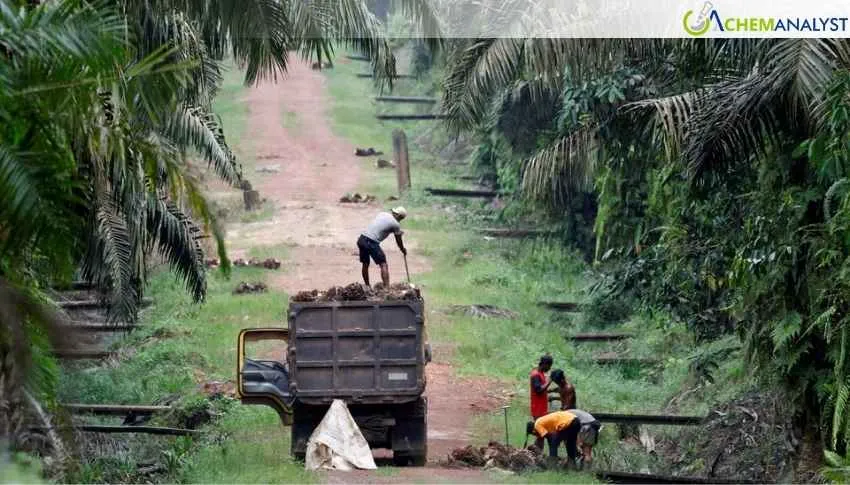
Singapore-listed palm oil companies have experienced a notable surge in their share prices this year, significantly outperforming the broader market. This upward trend is primarily driven by a confluence of geopolitical tensions, policy shifts towards biofuels, and supply-side constraints.
A key causal factor is the ongoing Middle East conflict, particularly the war in Iran, which has led to fossil fuel supply disruptions and the closure of the Strait of Hormuz. This has consequently driven up global energy prices. As palm oil can serve as a substitute for mineral oils in various fuels and consumer products, its demand and price tend to rise in tandem with escalating oil and gas costs. Crude palm oil (CPO) futures on Bursa Malaysia, for instance, saw a 13 percent increase from December 2025 to April 2026, with analysts forecasting further price hikes.
In response to these supply disruptions and a broader push for energy independence, Southeast Asian governments are accelerating their biodiesel mandates. Indonesia, a major palm oil producer, is implementing a B50 biodiesel mandate from July 1, 2026, aiming for a 50 percent palm oil blend in diesel. Similarly, Malaysia is gradually raising its mandate to B15. These policy decisions are bolstering demand for palm oil as a feedstock, making biodiesel production more cost-competitive. Additionally, El Niño weather patterns are contributing to supply concerns, further supporting palm oil prices.
The economic impact on Singapore-listed palm oil firms has been substantial. Companies like Kencana Agri have seen their shares double this year, reporting a 54 percent rise in net profit for 2025. Wilmar International, the largest Singapore-listed palm oil player, also experienced a 21.8 percent increase in its stock price. While higher CPO prices generally boost upstream plantation earnings, analysts note that for integrated operators, elevated input costs for downstream businesses could partially offset these gains, presenting a "double-edged sword."
Looking ahead, the industry faces significant geopolitical and regulatory challenges, particularly the European Union Deforestation Regulation (EUDR), set to take effect in December 2026. This regulation will ban imports of products, including palm oil, linked to recent deforestation or forest degradation. This necessitates considerable efforts from palm oil companies to enhance their sustainability credentials and improve nature-related disclosures to meet investor expectations and comply with evolving global standards. Furthermore, infrastructure gaps, such as the substantial methanol requirements for Indonesia's B50 mandate, and structural production shortfalls in countries like Malaysia, remain critical bottlenecks.







Leave a Comment
Comments (0)